TaxJar vs Numeral: Features, Pricing, and Best Fit
TaxJar vs Numeral is not a simple feature-for-feature decision. Both platforms cover the core US sales tax workflow, including nexus monitoring, calculations, registrations, filing, and remittance. Their centers of gravity differ: TaxJar is a US-focused platform with order-volume subscription tiers and a self-service entry path, while Numeral combines US compliance with global VAT and GST coverage, usage-based compliance pricing, and a concierge operating model. (TaxJar platform; Numeral overview)
For most buyers, geography and operating model should decide the first cut. A US-only seller that values a 30-day trial and familiar SaaS tiers may prefer TaxJar. A company selling internationally, managing complex exemption workflows, or asking a vendor to absorb more compliance operations may prefer Numeral. Teams in the middle should test both with their real transaction data and compare a full year of cost.
Quick answer
- Choose TaxJar first when your obligations are mainly US-based and you want an established self-service product with monthly plans tied to order volume.
- Choose Numeral first when you need global VAT or G!ST coverage, per-registration and per-filing pricing for standard US compliance, or a more hands-on service model.
- Shortlist both when you are a US ecommerce or SaaS company with multi-state nexus. The deciding evidence will come from your data, filing calendar, integrations, support requirements, and 12-month total cost.
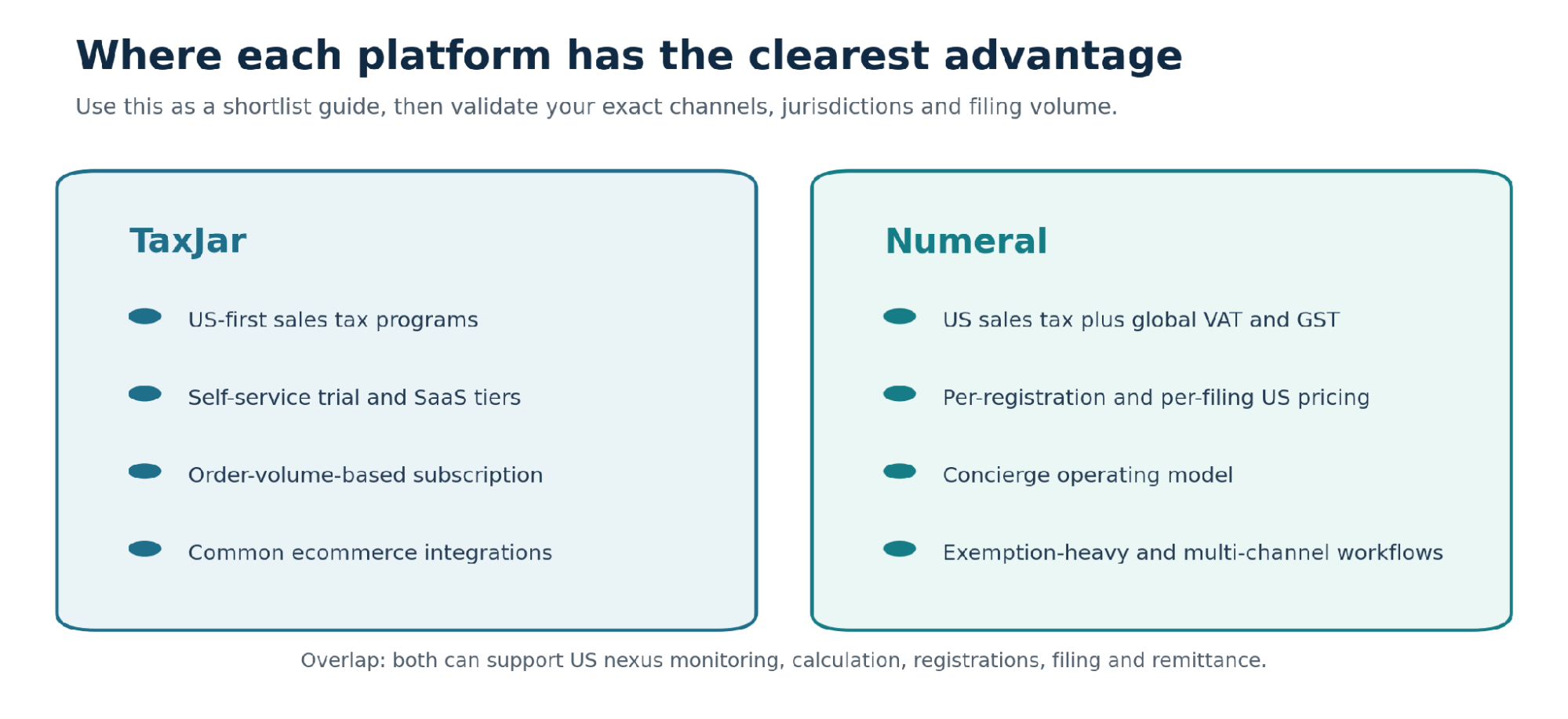
Figure 1 A shortlist guide based on current public product information
TaxJar vs Numeral comparison
The table below focuses on the differences that affect implementation, recurring work, and cost. “Better” depends on the row that carries the most operational risk for your business.
| Evaluation area | TaxJar | Numeral |
|---|---|---|
| Geographic scope | US-focused. Its API documentation describes US rates, calculations, reporting, and filing; international calculation support is limited for existing implementations. | US sales tax plus VAT and GST compliance across 70+ countries. |
| Best fit | US-first ecommerce, retail, SaaS, services, and small-to-mid-market businesses that want a product-led entry path. | Ecommerce, software, distribution, wholesale, and manufacturing teams that need global coverage or more operational support. Manufacturing is based on Numeral’s interview input. |
| Nexus monitoring | Nexus Insights dashboard, threshold tracking, alerts, and multichannel reporting. | Free nexus study, physical and economic nexus monitoring, exposure audits, and alerts. |
| Tax calculation | Real-time, product-specific calculation, address validation, and a developer API. TaxJar reports sub-20 ms response times and 99.999% historical uptime. | Tax engine and API positioned around rooftop accuracy, product classification, and live VAT ID validation. Numeral reports 140 ms p95 latency. The vendors publish different metrics, so do not treat them as a direct benchmark. |
| Registrations | State sales tax registration support is part of the platform’s lifecycle offering. Confirm process, state coverage, and fees in the proposal. | Autoregister plus a public standard US price of $150 per state registration. |
| Filing and remittance | AutoFile prepares returns and remits tax in enrolled states. Public plans include annual filing credits, with extra credits priced separately. | Registrations, filings, and remittance are included in Professional, with a public standard US price of $75 per filing. |
| Exemption certificates | Customer exemption support and certificate storage are listed in the plan comparison. Confirm validation and renewal workflow requirements. | Collection, storage, automated validation, expiration tracking, renewals, and monitoring. The first 50 certificates are advertised as free. |
| Notices and mail | TaxJar lists notice management and resolution among plan capabilities; confirm availability for the selected tier. | Professional includes a virtual mailbox for tax mail monitoring; Numeral also advertises ongoing government portal monitoring. |
| Integrations | Prebuilt connections for platforms such as Amazon, Shopify, and Woo, plus CSV and API options. Plan entitlements limit the number of integrations. | Dozens of billing, commerce, and ERP integrations, including Shopify, Stripe, Amazon, QuickBooks, NetSuite, Xero, and WooCommerce. |
| Reporting | Unified multichannel reporting with state, city, county, and special-district detail. | Advanced reporting, natural-language analysis, exposure monitoring, and global compliance views. |
| Support model | Starter includes email support. Professional lists email and phone support, onboarding, a success manager, and a guaranteed response time. | Concierge support from onboarding through filings, dedicated technical onboarding for integrations, tax research resources, and audit support. |
| Public pricing entry | Starter starts at $39 per month for 200 orders; Professional starts at $99 per month for 200 orders. Pricing scales by order volume and may include flex fees. | Monitoring is free. Standard US Professional pricing is $75 per filing and $150 per registration. Enterprise and global work are custom priced. |
| Trial or low-risk entry | 30-day trial with no credit card required. | Free monitoring and nexus study with no contract or upfront commitment. |
| Contract model | Monthly and annual options are shown; annual pricing can reduce cost. Confirm term and cancellation details in the order form. | Standard accounts are month-to-month with no required contract; annual or multi-year terms are optional. |
| Migration and onboarding | Implementation depends on connected channels, data quality, API use, states, and filing history. Ask for a written migration plan. | Nate Matherson said TaxJar migrations are straightforward, while total onboarding time depends on API work, registrations, countries, and integrations. Treat this as vendor input and validate it in a scoped plan. |
| Primary advantage | A mature, US-focused product with self-service trial access, clear starter tiers, and strong ecommerce workflows. | A broader global scope, transparent per-filing US pricing, richer exemption workflows, and a service-heavy operating model. |
| Main watch-out | US focus and order-volume pricing may be less suitable for international programs or businesses with volatile transaction counts. | Global and enterprise scope requires a custom quote; teams that want a lightweight self-service product should confirm how much onboarding and ongoing coordination is required. |
Source note Public features and pricing can change. Validate jurisdiction coverage, filing fees, support terms, and contract language in the current vendor proposal.
The most important differences
1 Geographic coverage
This is the clearest dividing line. TaxJar’s product and API are built around US sales tax. Its API reference says detailed rates, calculations, reporting, and filing are US-based and directs buyers needing a global tax solution toward Stripe Tax. Numeral markets one platform for US sales tax and VAT or GST compliance in more than 70 countries. (TaxJar API reference; Numeral global overview)
The practical question is not whether you sell internationally today. It is whether finance expects to own registrations, filings, remittance, and tax calculations outside the US during the next contract term. If yes, global scope should be tested before price.
2 Pricing and total cost
TaxJar uses monthly subscription tiers tied to average order volume. Its public page currently shows Starter at $39 per month and Professional at $99 per month for 200 monthly orders. Each tier includes a limited number of AutoFile credits, and additional filing credits are priced separately. High-volume months can trigger flex fees without permanently moving the account to a higher tier. (TaxJar pricing)
Numeral separates monitoring from compliance work. Nexus monitoring is free. Standard US Professional pricing is $75 per filing and $150 per registration, with no standard setup fee; global and enterprise requirements are custom. This can be easier to model when filing counts are known, but a buyer still needs to include registrations, amendments, API usage, international work, exemption certificates, notices, and internal labor. (Numeral pricing)
Use a 12-month workload model. List every jurisdiction, filing frequency, expected order volume, registration, data source, certificate, notice, and support dependency. Apply each vendor’s quote to the same workload. A headline monthly price is not a comparable total cost.
3 Implementation and ongoing work
Neither vendor can give a meaningful migration timeline without scope. In his written responses to CodeStory, Nate Matherson said Numeral onboarding varies with API use, the number of registrations being transferred, countries in scope, and required integrations. Those are the right variables to ask both vendors to estimate.
Request a written implementation plan that names the owner for each step: data export, transaction mapping, tax-code mapping, nexus validation, registration transfer, historical reconciliation, filing-calendar setup, exemption-certificate migration, API testing, and go-live support. The best platform on a demo can still be the wrong choice if your team carries most of this work.
4 APIs integrations and data quality
TaxJar offers prebuilt ecommerce and ERP connections plus a developer API with official clients for Ruby, Python, PHP, Node, .NET, Java, and Go. Numeral offers an API and dozens of billing, commerce, accounting, and ERP integrations. Both therefore deserve a technical proof of concept when checkout calculation or custom data pipelines are in scope. (TaxJar developer docs; Numeral API docs; Numeral integrations)
Do not compare vendor latency claims at face value: TaxJar publishes a sub-20 ms response-time claim, while Numeral publishes 140 ms at p95. These are different metrics and may reflect different test conditions. Test the same addresses, products, exemptions, currencies, and failure cases in each environment, then measure accuracy, response time, and fallback behavior yourself.
5 Exemption certificate workflows
TaxJar lists exemption support and certificate storage. Numeral describes collection, automated validation, expiration tracking, renewals, and compliance monitoring, and offers the first 50 certificates free. That makes Numeral’s public positioning especially relevant to wholesale, distribution, and manufacturing teams, but buyers should verify the actual workflow rather than rely on a feature label. (TaxJar plan comparison; Numeral certificate features)
In a demo, upload valid, expired, incomplete, and multi-state certificates. Check how each platform identifies gaps, requests replacements, records validation, applies exemptions at checkout, and exports evidence for an audit.
6 Support and accountability
TaxJar’s support varies by tier. Professional lists phone and email support, a dedicated onboarding specialist, a customer success manager, and a guaranteed response time. Numeral emphasizes concierge service from onboarding through filings, technical support, tax research resources, and a guarantee covering penalties and interest if a sales tax filing is late. (TaxJar support and plans; Numeral service model)
Ask both vendors to put response targets, escalation paths, filing responsibilities, notice handling, audit support, and penalty terms in writing. “Dedicated support” is meaningful only when the contract defines who does what and how quickly.
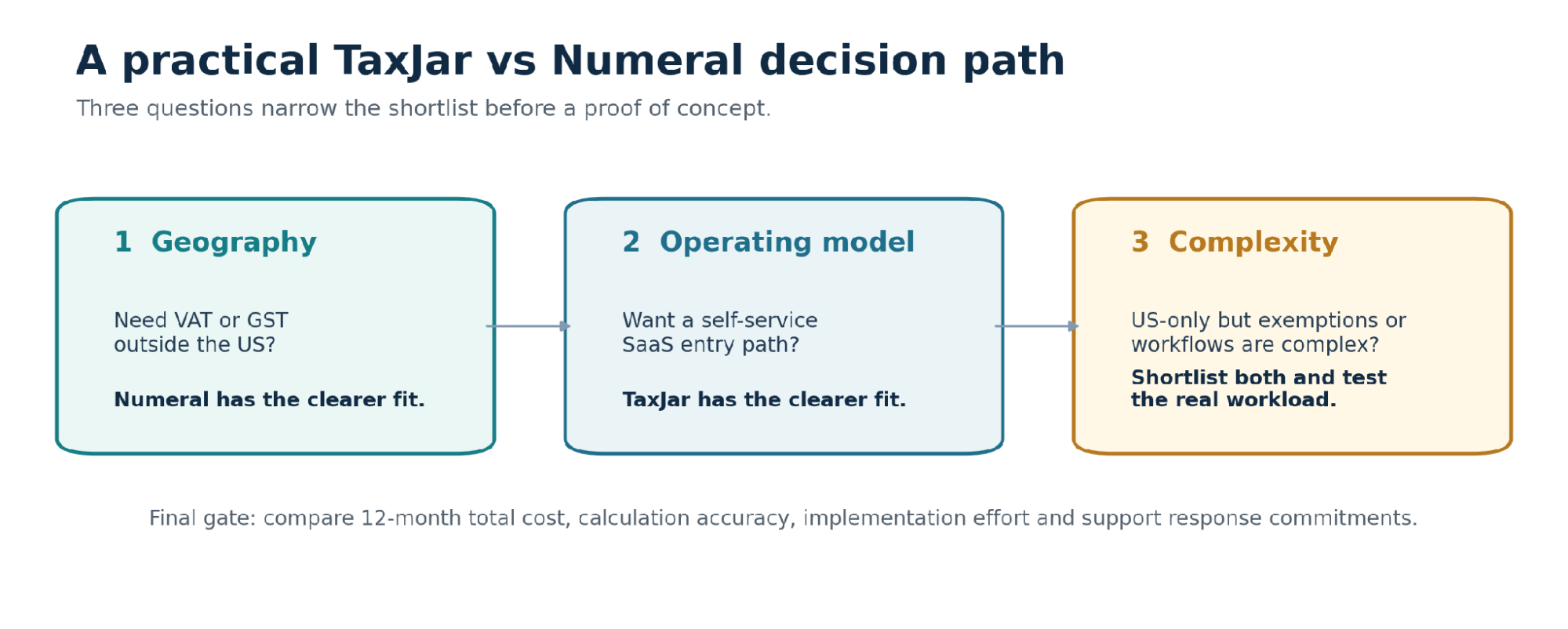
Figure 2 Use geography first then test operating complexity with real data
Which platform should you choose
Choose TaxJar when
- Your tax obligations are predominantly in the United States.
- You want a 30-day product trial and a familiar monthly subscription model.
- Your core channels match TaxJar’s prebuilt integrations and its plan limits are sufficient.
- Your finance team prefers a more self-service platform and does not need one vendor for global VAT or GST.
- Order volume is reasonably predictable and AutoFile credits fit your filing calendar.
Choose Numeral when
- You need one operating model for US sales tax and international VAT or GST.
- You prefer per-registration and per-filing pricing for standard US compliance.
- You want a concierge relationship that covers more of the ongoing operating work.
- Exemption certificate collection, validation, renewals, or audit evidence are material workflows.
- You sell through several commerce, billing, accounting, or ERP systems and want to consolidate reporting.
Shortlist both when
- You are a US ecommerce or SaaS business with growing multi-state obligations.
- You need calculation, nexus monitoring, registrations, filing, remittance, and reporting from one platform.
- The winner depends on implementation effort, support ownership, or a negotiated quote rather than a missing headline feature.
How to evaluate TaxJar and Numeral
Run the same evaluation against both vendors. A useful process takes less time than a long feature checklist and produces evidence your finance, tax, and engineering teams can review.
- Define the workload. List legal entities, countries, US states, filing frequencies, sales channels, ERPs, currencies, order volume, product types, exemptions, notices, and historical exposure.
- Build a 12-month cost model. Include subscriptions, calculations, overages, filings, registrations, global work, certificates, notice resolution, implementation, and internal labor.
- Test representative transactions. Use real products, destination addresses, discounts, shipping, refunds, marketplace sales, exemptions, and edge jurisdictions.
- Validate the migration plan. Require owners, inputs, dependencies, dates, parallel-run steps, reconciliation criteria, and rollback options.
- Inspect operational evidence. Review filing status, remittance records, audit exports, notice handling, certificate validation, permissions, and change logs.
- Confirm support commitments. Put channels, response targets, escalation, tax-research access, late-filing responsibility, and penalty terms in writing.
- Protect the exit. Confirm data export formats, historical access, API access after termination, certificate export, and assistance with account or registration transfer.
Questions to ask in each demo
- Which countries, US states, local jurisdictions, products, and transaction types are fully supported for our exact business model?
- Which tasks remain with our finance, tax, or engineering teams after go-live?
- What is excluded from the quoted price, and what events trigger overages or custom fees?
- How will historical transactions, existing registrations, certificates, and open notices be migrated and reconciled?
- How are filing failures, calculation incidents, notices, and audits escalated, documented, and contractually owned?
- Can we test the platform with representative transactions and obtain written acceptance criteria before committing?
Frequently asked questions
Is Numeral better than TaxJar?
Numeral is the clearer choice for global VAT or GST, a per-filing US pricing model, concierge support, and detailed exemption certificate workflows. TaxJar is often the cleaner choice for US-first businesses that value a self-service trial, monthly SaaS tiers, and established ecommerce integrations. The better product is the one that fits your jurisdiction mix and leaves less work with your team.
Does TaxJar support international VAT and GST?
TaxJar’s current API documentation is US-focused and says international calculation functionality is limited to users who already have it implemented. Businesses that need broad international VAT or GST coverage should not assume TaxJar covers that requirement; validate alternatives such as Numeral or Stripe Tax.
How much do TaxJar and Numeral cost?
TaxJar’s public pricing starts at $39 per month for Starter and $99 per month for Professional at 200 monthly orders, with pricing tied to order volume and separate filing-credit rules. Numeral offers free monitoring and publicly lists $75 per filing and $150 per US registration for Professional; enterprise and international work require a custom quote.
Can a company migrate from TaxJar to Numeral?
Yes, but the effort depends on the number of connected systems, registrations, filing histories, jurisdictions, API work, and data quality. Numeral’s Nate Matherson described TaxJar migrations as straightforward, but buyers should require a written plan and run a reconciliation period before go-live.
Which is better for Shopify?
Both support Shopify. TaxJar may suit a US-first seller that wants a product-led setup and monthly plan. Numeral may suit a Shopify business that also sells through wholesale channels, manages many exemption certificates, or needs VAT and GST outside the US.
Which is better for SaaS companies?
Both can serve SaaS companies with US sales tax obligations. Numeral has a clearer public advantage when the SaaS company sells internationally or wants more hands-on compliance operations. TaxJar may fit a US-only SaaS business that prefers established API tooling and a self-service entry path.
Do TaxJar and Numeral handle exemption certificates?
Both describe exemption certificate capabilities. TaxJar lists customer exemption support and certificate storage, while Numeral advertises collection, automated validation, expiration tracking, renewals, and monitoring. Test the complete workflow with sample certificates before deciding.
Do these platforms replace tax advice?
No software comparison should replace advice from qualified tax professionals. Confirm nexus positions, product taxability, registration obligations, voluntary disclosure, and audit strategy with advisers who understand your facts and jurisdictions.
Conclusion
The TaxJar vs Numeral decision starts with geography. TaxJar is strongest as a US-focused, product-led sales tax platform with monthly tiers and a 30-day trial. Numeral is strongest when global VAT or GST, exemption-heavy operations, transparent per-filing US pricing, or concierge support carry more weight. If both fit on paper, do not choose from a feature grid. Use the same 12-month workload, transaction test, migration plan, and support requirements to identify which vendor removes more compliance work at an acceptable total cost.
Contributor
This comparison was informed by written responses from Nate Matherson ([email protected]), Head of Growth at Numeral. Nate shared Numeral’s perspective on customer fit, migration, onboarding variables, pricing, support, global coverage, and exemption certificate workflows. Connect with Nate on LinkedIn.
Sources
- TaxJar platform overview
- TaxJar pricing and plan comparison
- TaxJar Sales Tax API reference
- Numeral product overview
- Numeral pricing
- Numeral integrations
- Numeral API documentation
- Nate Matherson on LinkedIn
Editorial note Product features, pricing, and contractual terms can change. Verify current scope and terms directly with each vendor. This article is for software evaluation and is not tax or legal advice.