
5 Costly Startup Mistakes Founders Made (And What They'd Do Differently)
TL;DR; The five most instructive startup mistakes from founder interviews on the Code Story podcast are: (1) building a product for a year and selling only one license, (2) losing $45,000 outsourcing development overseas, (3) building an incident-response process that assumed the product itself would never fail, (4) spending four months trying to force AI to do a job it couldn’t do, and (5) letting a bad team fit linger while over-promising features to customers. Each mistake points to a broader, repeatable lesson: validate before you build, trust your instincts over borrowed advice, and simplicity beats “more.”
Every founder makes mistakes. What separates the ones who recover is whether they can name the mistake precisely enough to avoid repeating it. Below are five real startup mistakes, pulled from founder interviews on the Code Story podcast, along with the specific lesson each one teaches.
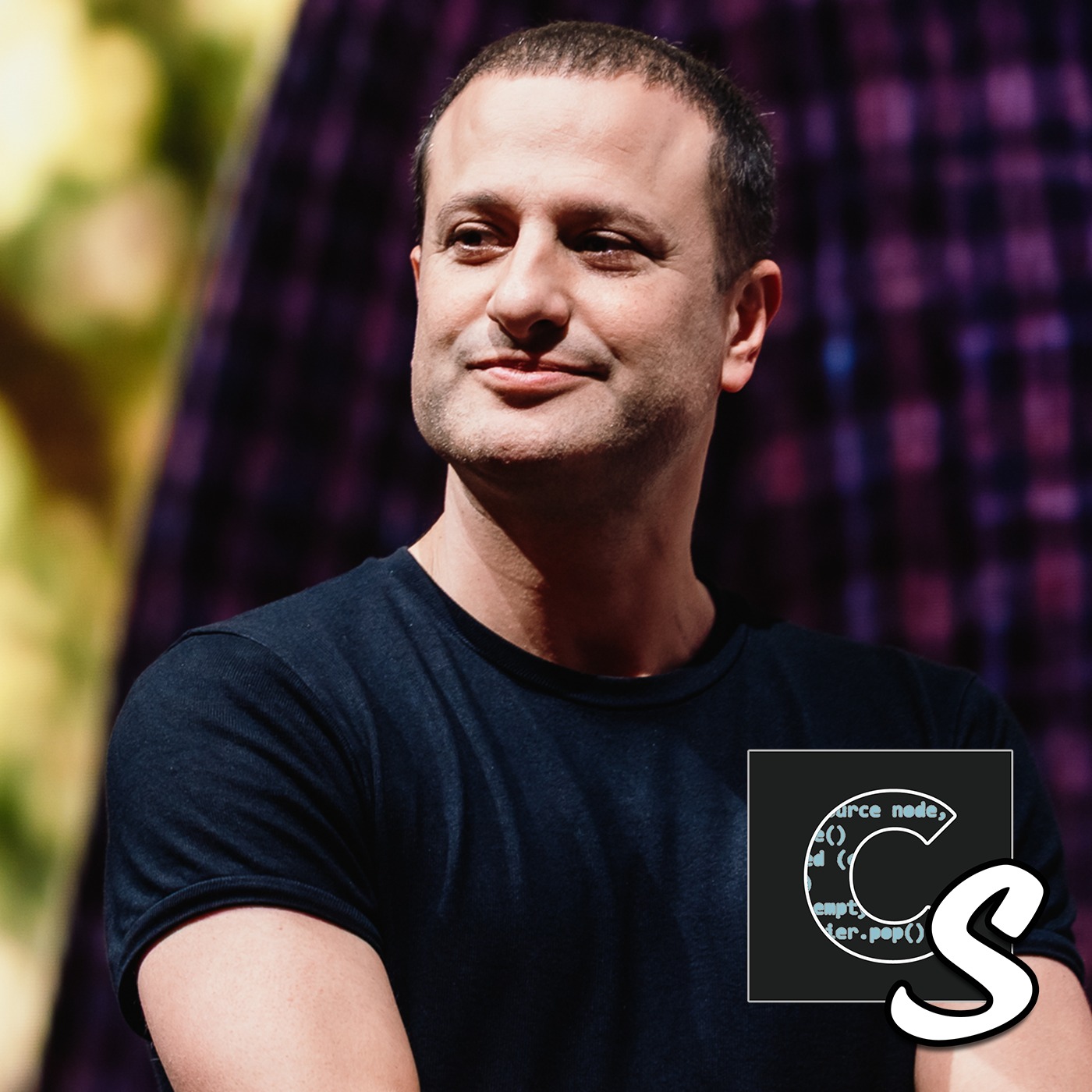
1. Building for a Year, Selling for a Year, Landing One Customer (ControlUp)
The mistake: ControlUp had built a successful business around managing virtual desktops. Looking to expand, the team decided to build a tool for managing virtual servers instead. It seemed like a natural, low-risk extension. They spent a full year building it. Then they spent another full year trying to sell it. The result: a single license, sold to a single customer.
Why it happened: The decision wasn’t driven by customer demand or founder instinct — it was made because the company felt it should diversify beyond one product category. Co-founder Yoni Avital later described it as one of the only major decisions the team made without feeling the instinct behind it that told them it was right.
The takeaway: A market expansion that “sounds easy” is a warning sign, not a green light. If a new product idea doesn’t come from a validated customer pain point — or from the same gut conviction that built your original product — treat it as an expensive experiment, not a roadmap item.

2. The $45,000 Outsourcing Mistake (The Real Time)
The mistake: Reannah Wyatt, founder of real estate platform The Real Time, hired an outside development agency to build the native mobile version of her app. The assumption was simple: the web app already existed, so converting it would be straightforward. The agency reported being 90% finished. When Wyatt’s team reviewed the work, it wasn’t usable. The entire $45,000 project was scrapped.
Why it happened: The contracted team had the coding skill but not the domain context — they were translating requirements secondhand, without deeply understanding the product or the industry it served.
The takeaway: For products where the domain knowledge is the moat (in this case, the intricacies of real estate transactions), outsourcing core development to a team without that context is a gamble. The silver lining: watching the agency work taught Wyatt’s co-founder enough to rebuild the app himself — the version the company still uses today.

3. An Incident-Response Plan That Assumed the Product Would Never Fail (Kilo)
The mistake: Kilo, an AI coding platform, built its own internal on-call and incident-response process around using its own AI agent to investigate outages — pulling logs, spinning up sub-agents to find root causes, and so on. Then one day, Kilo itself went down. The tool the team depended on to fix incidents wasn’t available for the incident.
Why it happened: It’s an easy blind spot: teams that build AI tooling often assume their own product is infrastructure that “just works,” the same way Slack or email is assumed to always be up.
The takeaway: Any tool your team depends on during a crisis needs a fallback plan for the scenario where that tool is the thing that’s broken. This applies far beyond AI companies — it’s a general lesson about single points of failure in operational processes.

4. Four Months Trying to Force AI to Do a Job It Couldn’t Do (FluidCloud)
The mistake: FluidCloud set out to build a tool that would let companies migrate cloud infrastructure with a single click. Their original plan was to use AI to automatically generate the migration code (Terraform scripts) with zero human review needed. They spent four months on this approach before admitting it wasn’t working — the AI could never produce migration code accurate enough to run without a human checking it first.
Why it happened: The team assumed a stretch capability of the technology (perfect, unsupervised code generation) rather than testing that assumption early and cheaply.
The takeaway: When a product’s core value proposition depends on a capability that hasn’t been proven yet — especially with AI — build the smallest possible test of that specific capability before committing months of engineering time to it. FluidCloud eventually pivoted to a manually built mapping engine, which became the product’s real technical moat.

5. Letting a Bad Fit Linger, and Believing “More” Would Win Customers (Nyad AI)
The mistake: Virginia Szepietowski, founder of wastewater-monitoring startup Nyad AI, made two connected mistakes. First, she let a misaligned team member’s concerns go unaddressed for too long, worried she wouldn’t be able to backfill the role if it opened up. Second, she initially believed that offering customers more — like bundling in extra hardware — would make deals easier to close. It did the opposite: prospects didn’t want to take on the added complexity.
Why it happened: Both mistakes came from the same root cause: optimizing for the founder’s comfort (avoiding a hard conversation, avoiding “leaving value on the table”) instead of optimizing for the actual friction the other party was experiencing.
The takeaway: An empty seat on your team is almost always less costly than the wrong person filling it. And in sales, simplicity is a feature — asking a customer to take on less, not more, is often what closes the deal.
What These 5 Startup Mistakes Have in Common
Looking at all five stories together, three patterns repeat:
- Assumptions substituted for validation. ControlUp, FluidCloud, and Nyad AI all moved forward on an internal belief instead of testing it with real customers first.
- Underestimating what “context” is worth. The Real Time’s outsourcing failure and FluidCloud’s AI limitation both came down to missing domain-specific judgment that no amount of raw skill could replace.
- Delaying hard decisions. Nyad AI’s team-fit issue and ControlUp’s slow-to-recognize pivot both show how expensive it is to avoid an uncomfortable call.
Frequently Asked Questions
What is the most common startup mistake founders make?
Across founder interviews, the most common mistake is building based on an internal assumption rather than validating it with real customers first — whether that’s assuming a new product category will sell, assuming AI can fully automate a task, or assuming more features will win a deal.
How much did the outsourcing mistake at The Real Time cost?
Founder Reannah Wyatt lost $45,000 after an outsourced development team delivered a native mobile app that was reported as 90% complete but was ultimately unusable and had to be scrapped entirely.
Why did ControlUp’s virtual server product fail?
ControlUp spent a year building a virtual server management tool and a year trying to sell it, ultimately landing only one paying customer. Co-founder Yoni Avital attributed the failure to making the decision without the same gut conviction that had guided the company’s earlier, successful product decisions.
Can AI fully automate technical work like cloud migrations?
Not reliably, according to FluidCloud’s experience. The team spent four months trying to get AI to generate cloud migration code with zero human review, before concluding the accuracy wasn’t there and pivoting to a manually built system instead.
What should founders do when a team member isn’t working out?
Address it early. Nyad AI founder Virginia Szepietowski described letting a misaligned team member’s issues go unaddressed for too long, and concluded that an empty seat is usually less damaging to a company than the wrong person occupying it.
Sources: Founder interviews from the Code Story podcast, hosted by Noah Labhart.