The Future of Network Security: Why AI Should Be a Trusted Advisor, Not an Autonomous Agent
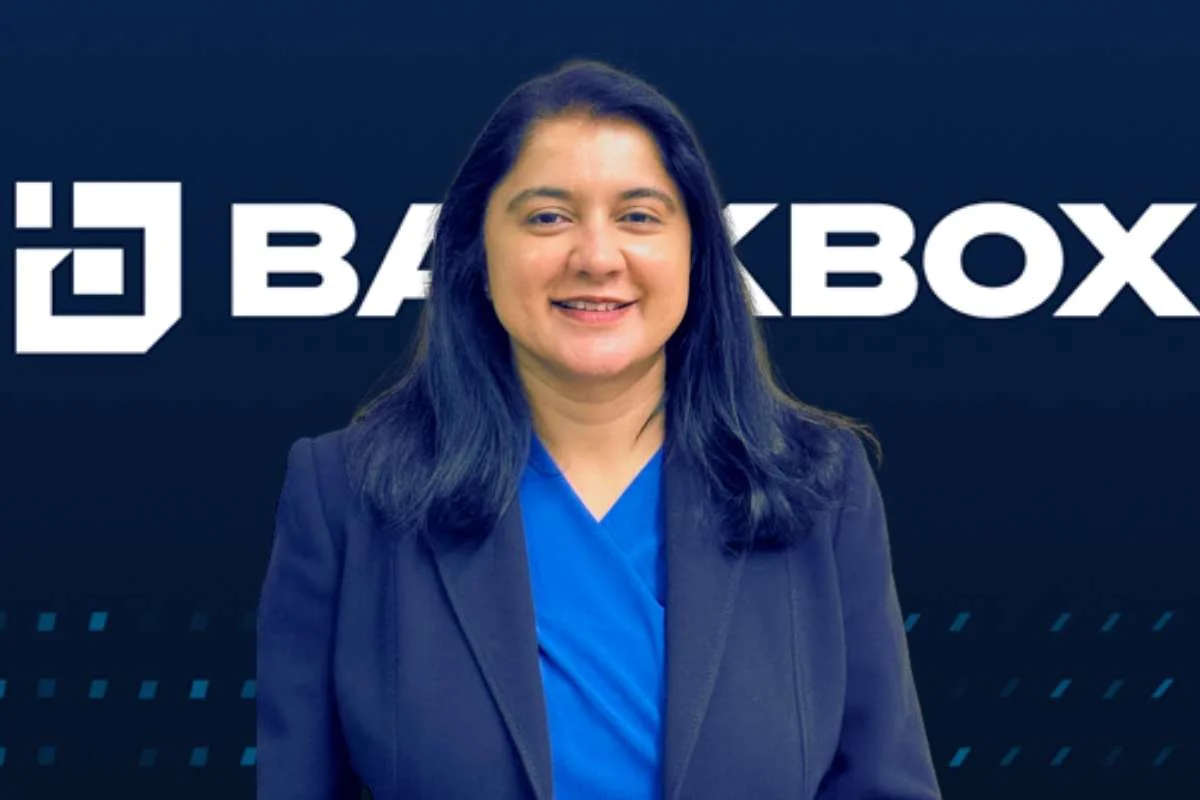
When you’ve been in tech for 30 years, you see patterns. You watch waves of innovation roll through—from mainframes to cloud computing to mobile, and now AI. Rekha Shenoy has lived through all of it, and she’s learned something crucial: the pace of change matters, but so does the direction of that change.
That’s why she joined Backbox as CEO in May 2024, and why the company’s approach to AI in network infrastructure is so refreshingly different from what the rest of the market is doing.
The Problem Nobody’s Talking About
Here’s the thing about network infrastructure teams: they’re not thinking about AI the way tech Twitter is. They’re not daydreaming about autonomous agents making decisions while they sleep. They’re thinking about uptime. They’re thinking about SLAs. They’re thinking about keeping systems running under increasingly complex conditions.
And the stakes are higher than ever. With threats like Mirai and Project Glasswright, network infrastructure is under attack at a pace that would’ve seemed impossible just a few years ago. Vulnerabilities that took months to exploit now take hours or days. The attack surface has exploded, and the team size hasn’t kept pace.
So what do network teams need? More automation, sure. But not the kind that replaces them. The kind that empowers them.
Meet Them Where They Are
This is where Rekha’s 30 years of experience become invaluable. She noticed something that most vendors miss: the vast majority of network operators aren’t Python developers. They’re network experts. They know Cisco, Checkpoint, Palo Alto inside and out. They’re exceptional at their jobs—just not in the way Silicon Valley imagines.
Traditional network automation has lived in the world of telcos and ISPs, where network infrastructure is the revenue source and you can afford to hire “superstar” operators who code in their sleep. But that’s not the real market. The real market is large banks, healthcare systems, retail companies—places where network expertise and coding expertise are two different skill sets.
“The challenge is that we need to meet them where they are,” Rekha explains, “and how do we give network experts the tools they need to have massive gains in automation?”
That’s the insight that shaped Backbox’s entire approach to AI.
The Backbox Philosophy: Responsible AI in Practice
Backbox doesn’t describe its AI as a “trusted advisor” just for marketing flavor. It’s a design constraint that fundamentally shapes how the product works. Here are the four principles:
- Protecting infrastructure — AI shouldn’t introduce risk; it should reduce it.
- Repeatable and verifiable results — You can audit what the AI did and why it did it.
- Supporting, not replacing, engineers — The human stays in control and accountable.
- Transparency about how AI reaches conclusions — No black boxes, no “trust me.”
What does this actually look like in the product? Imagine a senior network operator facing a mountain of manual work: monitoring configurations, identifying vulnerabilities, writing automations to patch systems. The Backbox AI acts like a “smart intern”—it does the grunt work of analysis and insight generation, but the operator makes the final call. The operator writes the automation. The operator has their hand on the controls.
“Responsible AI is helping very strong senior network operators… giving them massive amounts of reduction in manual labor by doing things a smart intern would do,” Rekha says. “But throughout that entire process, you give them control.”
Why This Matters Now
You might be wondering: why is this philosophy emerging now? Why not five years ago?
Part of it is timing. The market has finally hit a breaking point. Companies can’t hire their way out of the infrastructure problem anymore. They need automation. But they need it now, and they need it from people who understand their networks, not from people who suddenly have to learn to code.
The other part is that AI itself has become both a solution and a threat. The same capabilities that make AI useful for defenders make it dangerous in the hands of attackers. Network teams need to move faster, but they also need to maintain control and accountability. They can’t afford to have an AI agent making critical decisions without human oversight.
This is where Backbox’s “agentic NetOps” positioning becomes interesting. The industry is talking about agentic systems—AI that can operate autonomously. Backbox is saying: yes, but what if “agentic” means “intelligent and helpful” rather than “autonomous”?
The Product Evolution
Since Rekha took over, Backbox has evolved from its roots in backup and recovery into a comprehensive network cyber-resilience platform. The roadmap has unfolded based on what customers actually need:
- Backup and recovery — The foundation
- Configuration compliance — Detecting and preventing misconfigurations that lead to breaches
- Vulnerability intelligence — Understanding your vulnerability landscape against the flood of CVEs
- AI-powered insights and automation — The latest frontier
The company just launched Backbox 8.0, which unifies cloud and on-premises infrastructure visibility and integrates these human-in-the-loop, advisor-focused AI capabilities. It’s not about replacing people. It’s about making the people you have dramatically more effective.
The Real Competitive Advantage
Here’s what’s interesting: while everyone else is racing toward full autonomy, Backbox is taking a different path. And that might actually be the smarter bet.
Rekha is most proud of the team they’ve built—and for good reason. “Great ideas are no match for mediocre ideas executed exceptionally well,” she says. And that’s what they’re doing: executing flawlessly on a vision that’s actually aligned with what the market needs.
The go-to-market challenge is real—most people still don’t know a solution like this exists. But the product is 120% of the promise, and the opportunity is massive. As more companies realize they can’t keep up with the pace of threats and complexity without better tools, Backbox’s “responsible AI” approach is going to look less like a limitation and more like wisdom.
What’s Next
The future of network infrastructure isn’t about removing humans from the loop. It’s about giving humans better tools, better insights, and better control. It’s about building AI that network teams can actually trust—because they understand how it works and they maintain accountability for what it does.
That’s the bet Backbox is making. And if 30 years of watching tech evolve has taught Rekha anything, it’s that the companies that win aren’t always the ones chasing the latest trend. They’re the ones solving real problems for real people.
Want to hear more about Backbox’s philosophy, the team they’ve built, and what’s coming next? Listen to the full episode to dive deeper into Rekha’s journey, how the product roadmap actually gets built, and why “responsible AI” might be the competitive advantage nobody’s talking about yet.