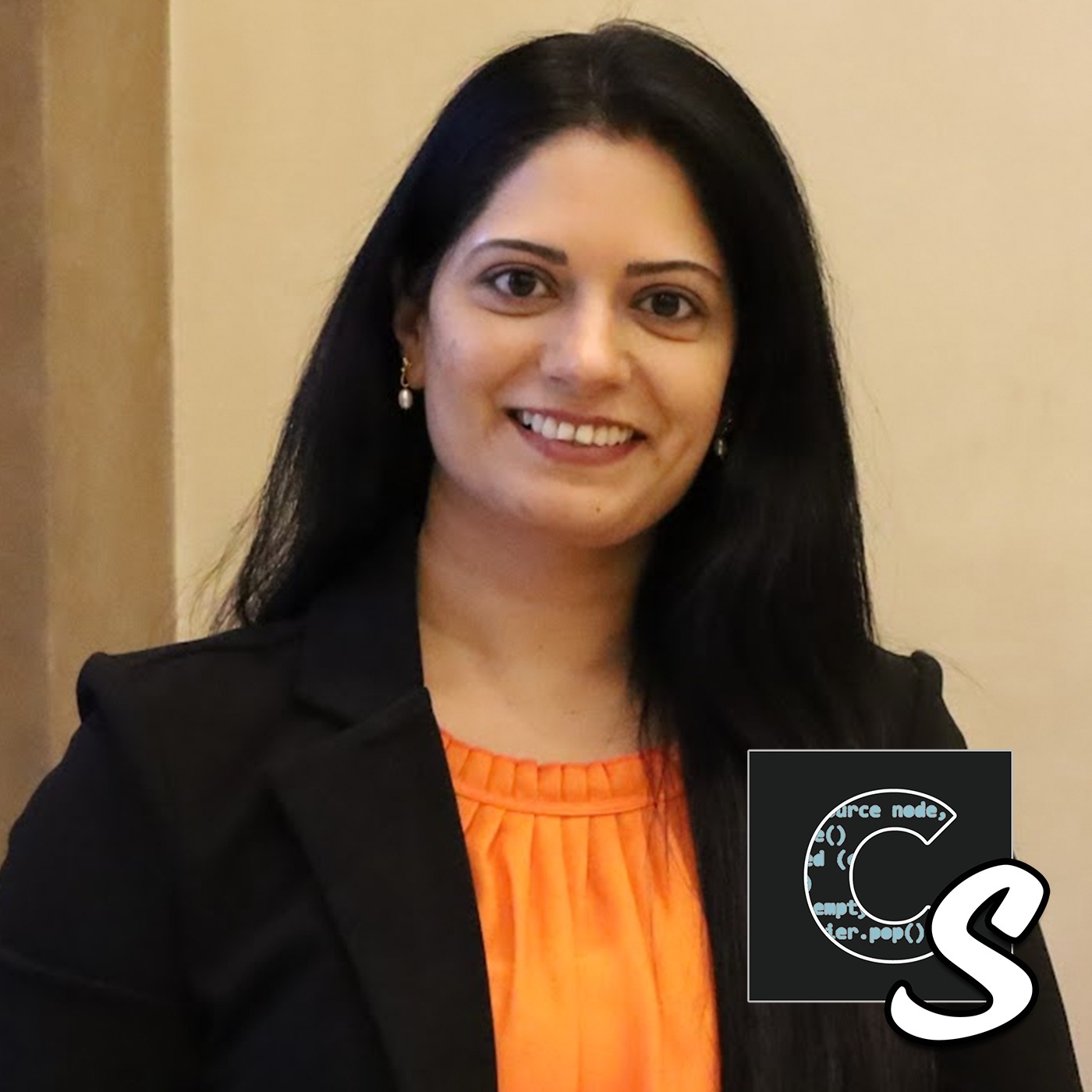
S12 Bonus: Skillset Mismatch: Fusing Labor Market Signals with Program Catalogs to Build a Real-Time Economic Intelligence Layer with Sushma Vadlamannati, Founder & CEO of zScale
In this episode
Sushma Vadlamannati is originally from India, and moved to the states over 25 year ago to pursue her bachelors in at Texas Women's University. She comes from a nontraditional founder background, spending 15 years in the Fortune 100 companies, leading large programs with large budgets. About 5 years ago, she started advising startups and angel investing, which led her into the startup world. Outside of tech, she has 2 daughters and loves to do arts and crafts. In fact, she uses scrap material she finds at home to build miniature scenes and creations.
Sushma is very familiar with the startup scene in Texas. As such, she has a keen understanding of the recurring problems for startups - the local talent pool. In addition to this, she noticed the disconnect between schools, workforce opportunities, and students/workers themselves. She decided to pivot into to building this intelligence layer.
This is the creation story of zScale.
Sponsors
Links
Current Sponsors:
Checkout our Stacklist! https://stacks.codestory.co/
Check out our Patreon!
Hosted by Noah Labhart | Technical Founder & Startup Mentor.
Our Sponsors:
* Check out Granola and use my code granola.ai/CODESTORY for a great deal: https://granola.ai
* Check out Perplexity and use my code pplx.ai/codestory for a great deal: https://www.perplexity.ai
Advertising Inquiries: https://redcircle.com/brands
Privacy & Opt-Out: https://redcircle.com/privacy
[SPEAKER_01]: So early on, I got too attached to the coverage. [SPEAKER_01]: As I mentioned before, I was focusing on bread rather than dip. [SPEAKER_01]: So I actually spent real time trying to make the map light up across the whole state. [SPEAKER_01]: Because a full map looks impressive in a demo. [SPEAKER_01]: Then, I showed an early version to someone in economic development, and they basically said, this is why, but can it answer my question about my county better than the analysts I already have?
[SPEAKER_01]: And right then, it couldn't. [SPEAKER_01]: I built for the impressive thing instead of the useful thing. [SPEAKER_01]: And Sushma Vadlamanati, founder and CEO of Z-scale.
[SPEAKER_03]: This is Coat Story, a podcast bringing you interviews with tech visionaries since six months moonlighting. [SPEAKER_00]: It was nothing on the backhand. [SPEAKER_03]: Who share what it takes to change an industry. [SPEAKER_00]: I don't exactly know what to do. [SPEAKER_03]: It took amazing goes to get right. [SPEAKER_02]: who built the teams that have their bad compade is its pit team's help each other a close crowd of our team. [SPEAKER_03]: Keeping scalability top of mind. [SPEAKER_03]: All that infrastructure was up there.
[SPEAKER_04]: Yes, we've been fighting it as we grow. [SPEAKER_03]: Total waste of time. [SPEAKER_03]: The stories you don't read in the headlines. [SPEAKER_04]: It's not an easy thing to achieve. [SPEAKER_03]: To get yourself a deficit of it often, try to begin to ride the ups and downs of the start-up line. [SPEAKER_04]: Need to really want it. [SPEAKER_03]: Not just about technology on this and more on code
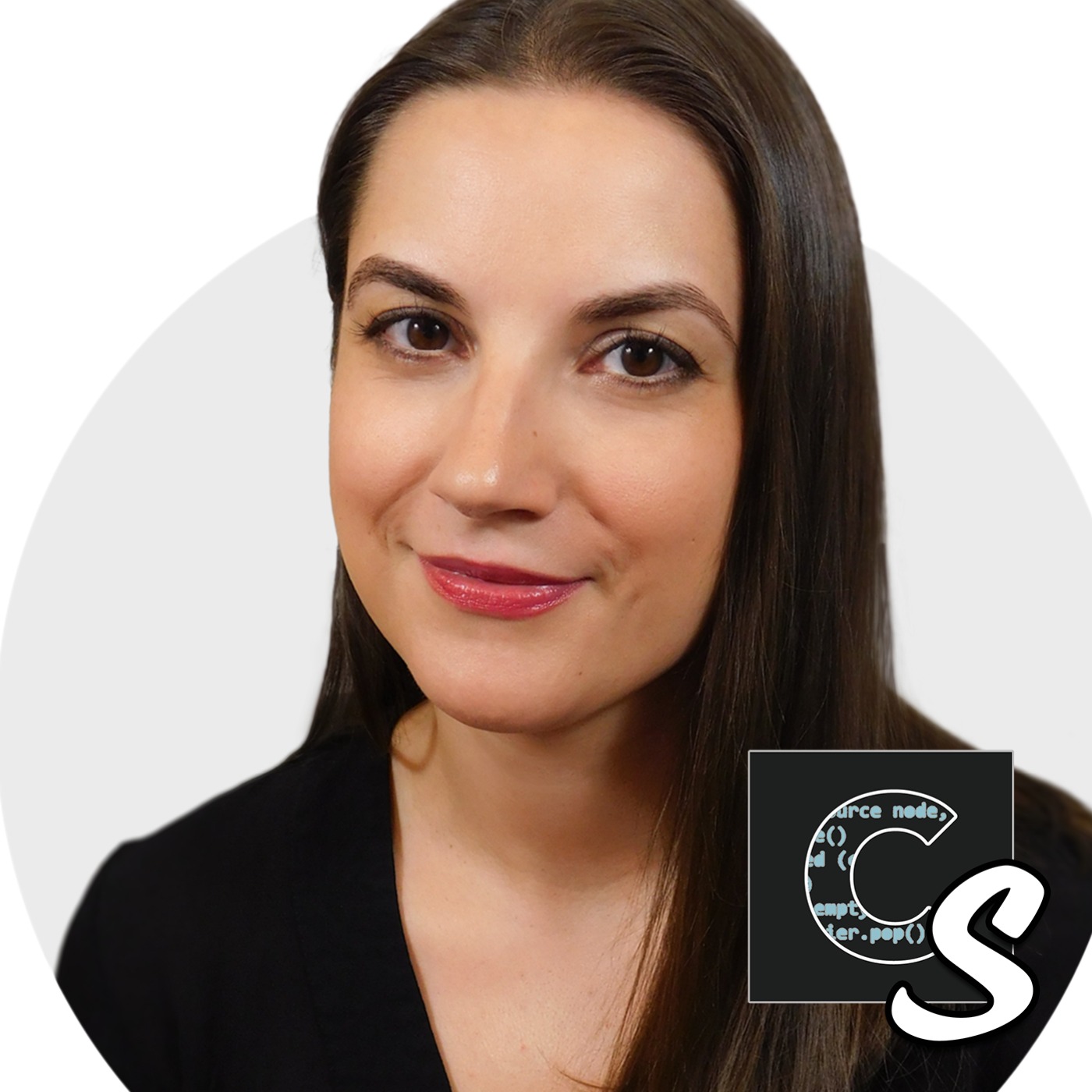
[SPEAKER_03]: I'm your host, Noah Labpart. [SPEAKER_03]: And today, Hosusma Badlamanati has built the economic intelligence layer for regions building in the AI economy.
[SPEAKER_03]: Sushma Vadlamanati is originally from India and moved to the states over 25 years ago to pursue her bachelor's at Texas Women's University. [SPEAKER_03]: She comes from a non-traditional founder background spending 15 years in the Fortune 100 companies, leading large programs with large budgets. [SPEAKER_03]: About five years ago, she started advising startups and angel investing, which led her into the startup world in general. [SPEAKER_03]: Outside of tech, she has two daughters and loves to do arts and crafts.
[SPEAKER_03]: In fact, she uses scrap material she finds at home to build miniature scenes and creations.
[SPEAKER_03]: Sushima is very familiar with the start-up scene in Texas, and as such, she has a keen understanding of the recurring problem for startups, the local talent pool. [SPEAKER_03]: In addition to this, she noticed the disconnect between schools, workforce opportunities and students and workers themselves. [SPEAKER_03]: She decided to pivot into building this intelligence layer.
[SPEAKER_03]: This is the creation story of Z-scale.
[SPEAKER_01]: One of the things that I've been doing over the past few years is I've been meeting many startup founders, agprostectuses, and outside of Texas. [SPEAKER_01]: I kept noticing that a lot of startups in Texas are constrained by one thing, right, the talent. [SPEAKER_01]: As Texas is incredibly business friendly, we give founders great incentives to start companies here. [SPEAKER_01]: But one of the things that's still I believe the state hasn't built is the local talent
[SPEAKER_01]: thing that you see in Silicon Valley, right? [SPEAKER_01]: So I started thinking about that gap. [SPEAKER_01]: And why does a place that's so good at attracting businesses still struggle to grow the people, those businesses need? [SPEAKER_01]: And how do we actually fix that? [SPEAKER_01]: Over time, as I was observing the same problem, let cascades into the economic development directors that I met, right? [SPEAKER_01]: The EDCs within the local region. [SPEAKER_01]: how they are stitching together businesses and then as part of the site selection process, EDC spent ton of time, right numerous hours putting the data together that scattered across multiple websites and not just websites but multiple sites to get the workforce, the talent pipeline as well as the expansion highlights that they need.
[SPEAKER_01]: If you look into universities, they are also launching new programs. [SPEAKER_01]: And the new programs as the AI is redesigning entire job categories, and new jobs are emerging every few years or not. [SPEAKER_01]: It used to be years, but now it's months. [SPEAKER_01]: with AI taking up on us really fast. [SPEAKER_01]: So one of the things that I evolved over time is that we are all embracing to prepare ourselves to be ready for AI. [SPEAKER_01]: But we would need it from the grassroots right where the side selections happening.
[SPEAKER_01]: We know what kind of businesses are emerging and what kind of businesses are coming into the region. [SPEAKER_01]: That would give us a full insight into how many job openings what industries are emerging in the region. [SPEAKER_01]: And the other two aspects, who are the end users, if you may, if I may call, is the university's as well as the workforce boards who are trying to skill the students, right? [SPEAKER_01]: And be prepared for the world and the job opportunities as they graduate out.
[SPEAKER_01]: The Z-scale idea evolved to be an economic development intelligent platform that connects the dots between what opportunities exist to what kind of skills we are building in the region and how students can actually get the job opportunities and anyone any professionals who are trying to upscale and re-skill how are they actually getting a wall to be finding the new opportunities as the market shifts. [SPEAKER_01]: see scale is like a Bloomberg terminal, right? [SPEAKER_01]: So Bloomberg terminal essentially focuses on financial market decision making, whereas these scale focuses on regional economic signals, that helps the EDC's universities as well as the workforce boards.
[SPEAKER_03]: I'm curious if you can dive into the MVP for Z scale for where you've taken it. [SPEAKER_03]: I'm curious about how long it took to build and what sort of tools you're using to bring something like this to life. [SPEAKER_01]: So, I use plot to build it. [SPEAKER_01]: My MVP is built on-cloud and we use foundational lot language models for the predictive analysis as well. [SPEAKER_01]: So, the MVP is built how long did it take? [SPEAKER_01]: We've been iterating, right? [SPEAKER_01]: So, we've been iterating on what we built initially.
[SPEAKER_01]: So, over time, we changed the way the look, feel and all of that. [SPEAKER_01]: I think it took about three to four months for us to build a boot demo site for our customers. [SPEAKER_03]: Let's dive into maybe a decision or two. [SPEAKER_03]: You had to make and building that MVP, right? [SPEAKER_03]: That could be around how you approached it, maybe feature limitation or scaling or tech to earnings or all those things, right? [SPEAKER_03]: Tell me about a decision you had to make and how you cope with it.
[SPEAKER_01]: The biggest trade-off was depth versus breadth, right? [SPEAKER_01]: So the decisions I made deliberately were around that. [SPEAKER_01]: For example, we track about 47,000 businesses across 254 counties.
[SPEAKER_01]: So, one thing when I started thinking about building the MVP, I was tempted to go abroad and get deep into wife coding. [SPEAKER_01]: Right, building database and then providing tracking all the data across 254 counties and the businesses and all. [SPEAKER_01]: So I was trying to give a lay of the land of all the businesses that exist in Texas. [SPEAKER_01]: It was good, right? [SPEAKER_01]: It gives you the data analysis, and it also gives you a bigger picture on what's going on across Texas.
[SPEAKER_01]: But one thing that I heard from people or United Presented, they were getting lost literally. [SPEAKER_01]: When I spoke with one of the chief innovation officer here in Texas, [SPEAKER_01]: they really like this concept because this kind of data helps them with their course alignment as well as increase their graduate outcomes. [SPEAKER_01]: But one thing they were lost is that this is lot of data but does that mean to me for my institution. [SPEAKER_01]: I kept hearing the same question when I presented to two or three leaders in Dallas and I just felt I think it's just hitting on me.
[SPEAKER_01]: That is a true question. [SPEAKER_01]: I think I need to consider thinking about what it means for them. [SPEAKER_01]: So that's when I started thinking through much deeper. [SPEAKER_01]: So I restarted focusing on just the institution by institution, region by region. [SPEAKER_01]: For example, when I went to UTA, represented it, but as the conferences, then one thing that we did was, I took all the programs that are related to just that are being offered at UTA Arlington. [SPEAKER_01]: Right now I understand what are the courses that are being offered, and my platform can look at all the courses and provide [SPEAKER_01]: a tailored or a customized view for that institution.
[SPEAKER_01]: So, I think to answer your question in short, it's more like the biggest trade-off was depth versus bread. [SPEAKER_01]: I never thought about it, so that was very valuable feedback that I received when I presented.
[SPEAKER_03]: Okay, let's move forward then. [SPEAKER_03]: How have you progressed and how are you going to progress? [SPEAKER_03]: The product forward and mature it. [SPEAKER_03]: I'm curious about how you build your roadmap. [SPEAKER_03]: How do you go about deciding that with these skills? [SPEAKER_03]: What is the next most important thing to build or to address? [SPEAKER_01]: The product maturity comes from different stages. [SPEAKER_01]: For example, it matured in three stages, right? [SPEAKER_01]: Version 1 was essentially a smart lookup, right?
[SPEAKER_01]: Get all the skater-deskater data. [SPEAKER_01]: We try to look at all different parameters that can help us bring all the scattered data into one searchable place. [SPEAKER_01]: It's a conversational AI apart from building complex data reports. [SPEAKER_01]: So that in itself saved like people hours, right? [SPEAKER_01]: So we built a search box, of course it isn't a mode anymore, but the stage two was when we again started layering in the conversational AI layer, turning, find the data into ask a question and get a tailored answer to you to that institution.
[SPEAKER_01]: So as we look forward, one of the things that I think as part of stage three is where right now I'm focusing on is the predictive. [SPEAKER_01]: Not just hears what the labor market looks like today, right? [SPEAKER_01]: It's more about not the historical information, but we would want to provide them the predictive analysis. [SPEAKER_01]: Based on how it looks like in the future, five years from now, ten years from now. [SPEAKER_01]: So we have developed a faced plan to build that out.
[SPEAKER_01]: So a job posting scraper, we are feeding in predictive models for program success and also identifying the skill gap for casting as well. [SPEAKER_01]: So every focus is now being spent into the predictive analysis. [SPEAKER_01]: Now that we have a foundation of the historical data from labor market analytics. [SPEAKER_03]: So I'm curious about team, right? [SPEAKER_03]: To do something like this, to build something like this, you got to have the right people to helm them. [SPEAKER_03]: Curious about how you build your team, and what do you look for in those people to indicate that they are the winning horses to join you?
[SPEAKER_01]: That's definitely a great question, mainly because I want to be honest about it right now, the team is Lee. [SPEAKER_01]: I'm doing a lot of building myself, and which is why I am leaning so hard into the AI-assisted tools.
[SPEAKER_01]: AI virtual assistants to schedule the meetings and also help me with the product grooming and one thing that I'm also trying to develop is a personal dashboard and personal assistant for myself that can help me schedule the meetings as well as find right kind of leads and how can I spend my time on building the product also meeting the
[SPEAKER_03]: Let's talk about scalability, and I think this will be interesting. [SPEAKER_03]: Especially given your answer, just now, I'm curious about how you're going to approach scalability in the future, and if there's even today or if you expect, interesting areas where you're going to have to fight scal as you grow. [SPEAKER_01]: Any founder who says otherwise is selling you something, right? [SPEAKER_01]: So on the technical side, I build deliberately for scale. [SPEAKER_01]: The architecture I would think is the same, whether it's serving one region or all 254 counties.
[SPEAKER_01]: So adding regions is a data problem, not a rebuild. [SPEAKER_01]: So the infrastructure is right in place, which I can utilize for one region versus 254 regions. [SPEAKER_01]: And that's something that I'm really proud of. [SPEAKER_01]: And I think where I am fighting honestly is the data ingestion and the go-to market, right? [SPEAKER_01]: So every new region means you are trying another set of state, another set of Federal resources. [SPEAKER_01]: into clean, credible shape, right, so the institutional sales, universities, government, moves in its own timeline.
[SPEAKER_01]: So the thing that I'm actively looking into is how do I scale data coverage and trust as fast as the technology can technically handle. [SPEAKER_01]: So the software is ready to scale faster than the market buys. [SPEAKER_01]: That's a good problem, but it's the real one which I'm focusing on right now.
[SPEAKER_03]: So as you step out on the balcony, you look across all that you've built thus far with Z-scale, what do you most proud of? [SPEAKER_01]: Two things, right? [SPEAKER_01]: So the first one, think I should say it's funny to admit, I'm proud that I'm actually built a real working product. [SPEAKER_01]: I came from the program side, operational side, and investing side. [SPEAKER_01]: So not from being an hands-on engineer. [SPEAKER_01]: So for years, I was a person who advised builders to sit down and ship a platform with the live AI agent answering real questions.
[SPEAKER_01]: That actually changed something in my own head about who I am allowed to be. [SPEAKER_01]: And the second thing is, slightly quite on the quieter side, so every feature in these scales comes from a real person who told me they were stuck. [SPEAKER_01]: A director who lost a weekend to an RFP, a dean worried about launching a program into a job market that wouldn't be there. [SPEAKER_01]: So I am proud that the product is built from other people's real problems, not from my own guesses.
[SPEAKER_01]: So that's the part that means the most to me. [SPEAKER_01]: So we are solving for real-world problems that we see on hand, which is going to help institutions in a very meaningful way. [SPEAKER_03]: Very good. [SPEAKER_03]: Okay, let's flip the script a little bit. [SPEAKER_03]: Tell me about a mistake you made and how you and your team responded to it. [SPEAKER_01]: So, only on, I got too attached to the coverage. [SPEAKER_01]: As I mentioned before, I was focusing on bread rather than dip.
[SPEAKER_01]: I spent a lot of time trying to make the map light up across the whole state. [SPEAKER_01]: Because a full map looks impressive in a demo, then I showed an early version to someone in economic development, and they basically said, this is wide, but can it answer my question about my county, better than the analysts I already have? [SPEAKER_01]: And, right then, it couldn't. [SPEAKER_01]: I built for the impressive thing instead of the useful thing. [SPEAKER_01]: That was hard to hear, but it was the best feedback I got.
[SPEAKER_01]: I dropped the bread first plan and went deep on one region instead. [SPEAKER_01]: Since I am early, team response came from my advisors and founder friends. [SPEAKER_01]: And to their credit, nobody let me off easy. [SPEAKER_01]: The lesson I took away is build for the one buyer who has to say yes. [SPEAKER_01]: not for the room you're presenting to. [SPEAKER_01]: I give that advice all the time now, and it's because I got it wrong first.
[SPEAKER_03]: Let's move into the future. [SPEAKER_03]: This will be really interesting. [SPEAKER_03]: Given where you're heading and the problem that you're solving here was the scale as it is today, what does the future look like for the product for? [SPEAKER_03]: Where the industry is going for the team, all the things. [SPEAKER_01]: In the near term, I think the way how I look at it is I am looking for a case study, right? [SPEAKER_01]: So, land the first design partner, whether it's a university, a EDC, who can build these scale alongside with us.
[SPEAKER_01]: and let the predictive layer true by itself. [SPEAKER_01]: So once that works in Texas, the model is built to go region by region, then national. [SPEAKER_01]: So the bigger goal, and if I make all, is the one that I'm really building to word, is a word where no institution makes a million dollar, [SPEAKER_01]: talent decision on old data and gut feed. [SPEAKER_01]: For example, a 17 year old picking a major a prolonged designing a program and an EDC trying to recruit an employer are all working from the same up-to-date picture of where the economy is heading.
[SPEAKER_01]: Z-scale is the layer underneath all of that. [SPEAKER_03]: Let's switch to you, Sushma, who influences the way that you were? [SPEAKER_03]: Name a person or many persons or something. [SPEAKER_03]: You look up to him. [SPEAKER_01]: I think a few people that shaped up my thinking and my process. [SPEAKER_01]: In the workforce world, I really follow Ryan Dre, who does the gap later, and went on in live-in, changed how I think about the education to jobs problem. [SPEAKER_01]: They treat it as a serious data driven feel, not a soft one.
[SPEAKER_01]: That gave me permission to be rigorous about it too. [SPEAKER_01]: But the bigger influence is the hundred plus founders I have advised and invested in. [SPEAKER_01]: Everyone of them taught me something about conviction. [SPEAKER_01]: about how you keep going when it's just you and the idea and the rooms empty, right? [SPEAKER_01]: So there's no one to support you. [SPEAKER_01]: I basically borrowed my whole way of working from watching them. [SPEAKER_01]: Stay close to the customer, ship before you feel ready, and be honest about where you are.
[SPEAKER_01]: Honestly, I think sitting here talking to you is me on the other side of advice, I've given a hundred times.
[SPEAKER_03]: I appreciate that. [SPEAKER_03]: Okay, speaking of advice, let's move into the last question. [SPEAKER_03]: So, you're sitting on a plane and you're sitting next to a young entrepreneur who's built the next big thing. [SPEAKER_03]: They're jazzed about it. [SPEAKER_03]: They can't wait to show it off to the world and can we show it off to you right there on the plane. [SPEAKER_03]: What advice do you give that person having on down this road a bit on your own and also, you know, investing in many startups and being very familiar with this type of space?
[SPEAKER_01]: I would think of three things, no honestly. [SPEAKER_01]: One is falling in love with the problem, not your solution. [SPEAKER_01]: Because I have over time I have seen few founders who are very passionate about what they are building. [SPEAKER_01]: but I would want them to be focusing on what problem they're solving and who are they helping. [SPEAKER_01]: So your first solution is almost certainly wrong, right? [SPEAKER_01]: Just like the way how my product evolved over time. [SPEAKER_01]: I would think that any founders journey would start with something that you know, that you are going to be a builder, you are going to be building something.
[SPEAKER_01]: But the product is going to evolve over time. [SPEAKER_01]: But if you happen to love the problem, you will survive being wrong, long enough to get it right. [SPEAKER_01]: And that's one thing. [SPEAKER_01]: And the second one is find one customer who has to say yes to what you're building, right? [SPEAKER_01]: And the third one is, and again, I think I learned this hard way. [SPEAKER_01]: The people with the best data win, right? [SPEAKER_01]: And not the loudest, not the best funder.
[SPEAKER_01]: So whatever you're building, keep asking, am I helping someone make a better decision? [SPEAKER_01]: If yes, then I would think that you got something real. [SPEAKER_01]: If you are just adding features, you are not there yet. [SPEAKER_01]: So I would probably ask to hear their entire whole story because that's my actual favorite thing in the world. [SPEAKER_01]: What are you solving for and what the problem that you can solve for someone and get your first customer? [SPEAKER_01]: And I think getting first yes is really important.
[SPEAKER_01]: So focus on that. [SPEAKER_03]: all great pieces of advice. [SPEAKER_03]: We'll see you soon for being on the show today. [SPEAKER_03]: Thank you for telling the creation story and the evolution of Z-scale. [SPEAKER_01]: It's wonderful to share my journey with you. [SPEAKER_01]: Thank you very much for having me.
[SPEAKER_03]: And this concludes another chapter of Coat Story.
[SPEAKER_03]: code story is hosted and produced by Noah Labord. [SPEAKER_03]: Be sure to subscribe on Apple Podcasts, Spotify or the podcasting app at your choice. [SPEAKER_03]: And when you get a chance, leave us a review. [SPEAKER_03]: Both things help us out tremendously.
[SPEAKER_03]: And thanks again for listening.
Latest Season of the Podcast is Sponsored By







 Apple Podcasts
 Spotify
 Castbox
 Player FM
 Pocket Casts
 YouTube
 Overcast
 Castro
 Goodpods
 Moon FM
 Podbean
 Podcast Addict
 Podcast Republic