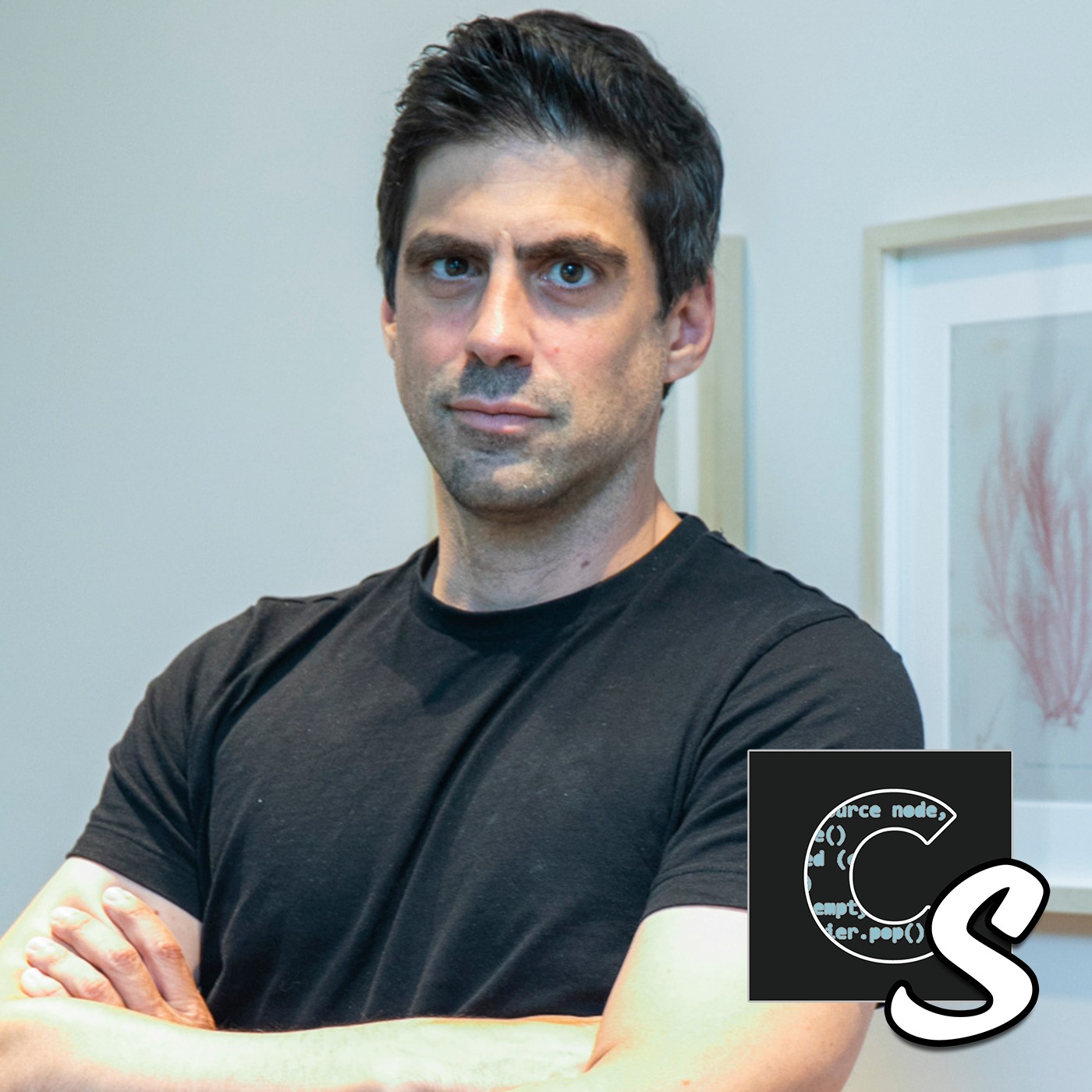
S13 E1: The Token Winter Is Coming: Why Code Inflation Fails to Ship Real Business Value with Dave Garcia, Founder & Co-CEO of Pensero
In this episode
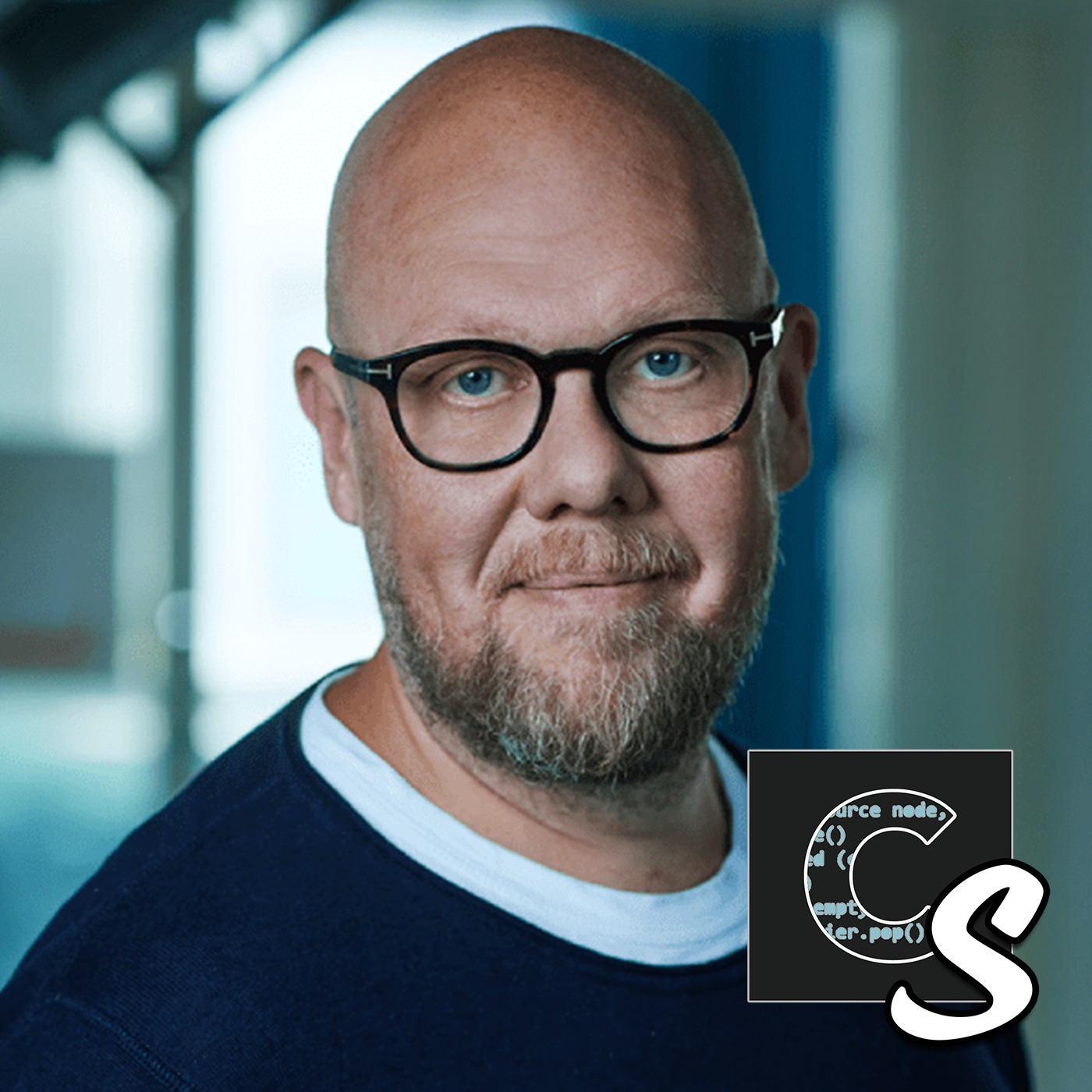
Dave Garcia is originally from Barcelona, and recently moved stateside, to the East Coast. He started coding when he was 7 years old, on a Commodore 64, in BASIC language - and when he programmed an infinite loop, he was hooked. He's been curious about machines, and fixing them - even when they weren't broken. Outside of tech, he is married with a young family. He enjoys playing video games - mostly Dad games these days - and loves to do anything on the water, like kite surfing.
A few years ago, Dave decided to take some time off to spend it with his family. When the AI boom started to happen, suddenly the technology became ubiquitous, where AI was changing the life of generations around him. After some investigation, he decided wanted to build something world changing, relevant to the world the knows - which is within the tech mgmt. world.
This is the creation story of Pensero.
Links
https://www.linkedin.com/in/davebcn
Current Sponsors:
Checkout our Stacklist! https://stacks.codestory.co/
Hosted by Noah Labhart | Technical Founder & Startup Mentor.
Our Sponsors:
* Check out Granola and use my code granola.ai/CODESTORY for a great deal: https://granola.ai
* Check out Perplexity and use my code pplx.ai/codestory for a great deal: https://www.perplexity.ai
Advertising Inquiries: https://redcircle.com/brands
Privacy & Opt-Out: https://redcircle.com/privacy
[SPEAKER_01]: So I've been doing this thing for many years. [SPEAKER_01]: So to me, the easy thing is try to listen to myself and not listen to the market, which is a big mistake. [SPEAKER_01]: Luckily, my ego is super low. [SPEAKER_01]: So I say, you know what? [SPEAKER_01]: Even if I believe, I know all of that. [SPEAKER_01]: Customers are the one that need to tell me what to build. [SPEAKER_01]: So ever since very beginning, we established like a very short feedback loop with our customers and we talked to them weekly, at least, [SPEAKER_01]: If not daily, because they know what to do, and they give you this cold ideas that we call every single day without even noticing, right?
[SPEAKER_01]: Wow, have you thought about what data, and then this data is gold? [SPEAKER_01]: My name is Dave Garcia, and I'm co-founder and co-sio art and so on.
[SPEAKER_03]: This is Code Story. [SPEAKER_03]: a podcast bringing you interviews with tech visionaries. [SPEAKER_03]: Six, six months moonlighting goes. [SPEAKER_03]: It's the last and all of the backgrounds who share what it takes to change an industry. [SPEAKER_00]: I don't exactly know what to do. [SPEAKER_03]: It doesn't go as to get right. [SPEAKER_02]: who built the teams that have their bad company is its team's help each other, which is proud of our team. [SPEAKER_03]: Keeping scalability top of mind, all that infrastructure was up there.
[SPEAKER_03]: Yes, we've been fighting it as we grew up. [SPEAKER_03]: Total waste of time. [SPEAKER_03]: The stories you don't read in the headlines. [SPEAKER_02]: It's not an easy thing to achieve. [SPEAKER_03]: To get yourself a deficit of off, try to begin to ride the ups and downs of the start-up line. [SPEAKER_02]: Need to really want it. [SPEAKER_03]: Not just about technology. [SPEAKER_03]: All this and more on code story. [SPEAKER_03]: I'm your host Noah Lappard. [SPEAKER_03]: And today, how Dave Garcia has built the platform to measure AI impact by what's delivered, not just by what's used.
[SPEAKER_03]: Dave Garcia is originally from Barcelona, and recently moved state side to the East Coast. [SPEAKER_03]: He started coding when he was seven years old on a Commodore 64 in Basic Language, and when he programmed an infinite loop, he was hooked. [SPEAKER_03]: He's always been curious about machines and fixing them, even when they weren't broken. [SPEAKER_03]: But outside a techie is married with a young family. [SPEAKER_03]: He enjoys playing video games, mostly dad games these days, and loves to do anything on the water, like kite surfing.
[SPEAKER_03]: A few years ago, Dave decided to take some time off to spend it with his family. [SPEAKER_03]: When the AI boom started to happen, suddenly the technology became ubiquitous, where AI was changing the life of generations around it. [SPEAKER_03]: After some investigation, he decided he wanted to build something world-changing, relevant to the world he knows, which is within the tech management world.
[SPEAKER_03]: This is the creation story of Pincero.
[SPEAKER_01]: As I said, I've been building tech for a while. [SPEAKER_01]: So two years ago, two years and a half years ago, I decided to take a break. [SPEAKER_01]: I had a little baby and I said, you know what, I'm going to take some time off. [SPEAKER_01]: Then AI happened. [SPEAKER_01]: So I being an AI enthusiast for my whole life. [SPEAKER_01]: I remember when I was starting a UD, like I was doing as per systems trying to diagnose sickness or I was trying to do things I'll play chess. [SPEAKER_01]: I've been trying to out AI.
[SPEAKER_01]: In everything I built with my career, when I was in FinTech, I was trying to predict fraud, using plastic fires. [SPEAKER_01]: When I was in trouble, I was trying to create... [SPEAKER_01]: connected with airlines. [SPEAKER_01]: I get the genetic algorithm. [SPEAKER_01]: So I was tried to do that. [SPEAKER_01]: But three years ago something happened. [SPEAKER_01]: Chagipiti became mainstream and all of a sudden something that was only for a few of us became talking to people like random people 65 year old people in a random place in the supermarket they were talking to me, yeah, yeah, I started using Chagipiti and what?
[SPEAKER_01]: The AI is changing the life of everyone and just the people that are [SPEAKER_01]: The other generations get something in here that is going to change the way we do our living, not just the businesses. [SPEAKER_01]: So I started investigating, okay, is there anything to learn in here? [SPEAKER_01]: And I felt pretty much like probably everyone else, like this thing is magic, we need to build something really good. [SPEAKER_01]: I started playing around during my eternity life and my wife were not super happy about that, but okay then I said okay if I want to make something relevant there needs to be something that I'm good at right so I wanted to do something in education but I'm not a teacher I tried to do something in health but I'm not a doctor and say anything that I'm going to be building there I'm going to be an outsider and I'm not going to be really impactful so where am I good at?
[SPEAKER_01]: doing tech for my whole life, but also I happen to be a decent manager. [SPEAKER_01]: I happen to laugh hundreds of reports to my career. [SPEAKER_01]: I hopefully made a positive feedback with the lives of people that started with me as juniors, became sitios, in relevant companies. [SPEAKER_01]: Okay, can I put my two passions with these people management and technology with a patch of AI in the middle and build something meaningful? [SPEAKER_01]: And this is where penseros started, right?
[SPEAKER_01]: So I started build prototypes. [SPEAKER_01]: That was when Lama 3-1 was a thing when Chagipiti was still 3-5 and then I started visiting something that felt good and I started to talk to my co-founder and now that used to be my boss, two companies ago I was the CEO, he was the CEO and we sold our company to square and we worked together for so many years and I said that what do you think about just being a building, he said wow that's fantastic. [SPEAKER_01]: I would invest in that and I said, you know what?
[SPEAKER_01]: Why don't you join me? [SPEAKER_01]: Money is fine, but I rather get you talent. [SPEAKER_01]: And he was fully lost to accept. [SPEAKER_01]: And he were like two and a half years later. [SPEAKER_01]: We had 25 folks, several hundred customers, thousands of users, and then still having a lot of fun building, something meaningful.
[SPEAKER_03]: Tell me about the MVP, so right around that time frame you joined forces there and you started to build. [SPEAKER_03]: What was that MVP like? [SPEAKER_03]: How long did I take to build and what sort of tools were you using to bring it to life? [SPEAKER_01]: That was when AI was not such a big thing. [SPEAKER_01]: You guys, it was the Lama 3-1, so it was okay, but you didn't have any calling assistance, so you had to do yourself. [SPEAKER_01]: And I didn't have any money, so it was only myself building it, right?
[SPEAKER_01]: So I had to choose the technologies I was proficient with, so... [SPEAKER_01]: I chose Python. [SPEAKER_01]: I've been doing a bunch of Python in the last eight years. [SPEAKER_01]: I chose Django. [SPEAKER_01]: This is easy and quick. [SPEAKER_01]: I managed to get a ground from NAWUS, so I managed to going everything. [SPEAKER_01]: So I built something that worked. [SPEAKER_01]: And because there were not many providers when it came to AI. [SPEAKER_01]: So I decided to run every single thing I'll demo from my MacBook.
[SPEAKER_01]: So I built something that from Amazon, created a tunnel to my computer, my M1, and my M1 was serving like tiny models that were doing things that were fantastic. [SPEAKER_01]: Most of them were not 100% true, but it gave you the illusion that this wither of all the illusion of all, there's something here, right? [SPEAKER_01]: So we built something that failed right in the world and it took me [SPEAKER_01]: about two weeks. [SPEAKER_01]: So in two weeks time, I had something that had the bare minimum, it had a login, it had the user management, it had several sections, it connected to Github, it connected to G-Router, the MVP system, it was not even an MVP, it was a POC.
[SPEAKER_01]: But it felt right and it showed the concept and it was really good to show what we wanted to accomplish and to get the first we were able to first to get the first two design partners and also the first investors that show us is you know what, I don't fully get it. [SPEAKER_01]: In the beginning it was like a copilot for managers and I don't fully get it but I can see a potential here that technology looks cute and you build something meaningful before. [SPEAKER_01]: So yeah, you know what?
[SPEAKER_01]: Let's do it, right? [SPEAKER_01]: And the same thing with the design partners, right? [SPEAKER_01]: You go to a couple of people that you happen to know and then you start talking to them about that and say, yep, I can understand their problem and I'm willing to help you with them. [SPEAKER_01]: And these with those, like pioneering investors and with these piece of generic customers, then you have everything you need to start hiring people and then building something. [SPEAKER_03]: Okay, let's stay on that for just a minute.
[SPEAKER_03]: You built it quickly, you got something up and running, you shown it to people and they're excited. [SPEAKER_03]: Tell me about, maybe a decision or a tradeoff you had to make in that early version that really was core to how you approached the problem and how you cope with making that decision. [SPEAKER_01]: When you have really limited resources, you need to be really aggressive in what you live out, right? [SPEAKER_01]: So I remember building a lot of health-baked features that made sense in my mind, but when I was showing this to people at Felta Shambua, is things terrible.
[SPEAKER_01]: So as I said, instead of doing 20 things, in a mediocre way I want to do [SPEAKER_01]: A couple of things that they need to be really good, right? [SPEAKER_01]: Even if it's a POC, it needs to feel good. [SPEAKER_01]: And it needs to be realistic. [SPEAKER_01]: It cannot be super fake. [SPEAKER_01]: It needs to be a needs to have a bit of fantasy, but not a lot, right? [SPEAKER_01]: So I decided to drop 70, 80% of the features in concentrated on the ones that actually had different.
[SPEAKER_01]: And that can show why our technology was completely different from before, right? [SPEAKER_01]: So if competitors, they had a beautiful,
[SPEAKER_01]: maybe I don't want to create a sub power version of that chart right so instead I'm going to concentrate on building the core and then showing how our core was able to understand impact better than competition even if it was me building from my M1 compared to companies with 100 people right so I decided to concentrate on the core of the platform more than on the visuals of the usability it was awful it was really
[SPEAKER_01]: but it cut something, right? [SPEAKER_01]: I decided to invest 90% of my time and energy in building the AI core that became the core open syrup, right? [SPEAKER_01]: I'm trying to build something that was checking all the boxes, right? [SPEAKER_01]: So when you show this thing to investors, like people will tell me, dude, this is horrible. [SPEAKER_01]: It's awful. [SPEAKER_01]: And then I click the button and say, okay. [SPEAKER_01]: But what is telling me, it's good. [SPEAKER_01]: So I can, I'm able to accept that this very ugly, that you don't have a designer, because the technology looks promising.
[SPEAKER_01]: I even remember, they're more interesting to accompany San Francisco. [SPEAKER_01]: And they guys are saying, you know what? [SPEAKER_01]: I'm going to be a 100% honest. [SPEAKER_01]: The first thing you need to do is raise money and hire a designer, because this thing looks awful. [SPEAKER_01]: I was like, yeah, it's some purpose. [SPEAKER_01]: I'm a really bad designer. [SPEAKER_01]: So I bought this, I said, OK, but they broke, sounds good, let's keep talking.
[SPEAKER_03]: So then, you get that MVP done, you're getting the feedback you want, you're getting some traction, maybe, maybe even you're getting some funding, how have you progressed and matured it from that point? [SPEAKER_03]: And I think to wrap in a box a little bit when I look first, how do you go about building your roadmap? [SPEAKER_03]: How do you go about deciding that, okay, this is the next most important thing, to build or to address? [SPEAKER_01]: Here it is especially complicated because we must subject experts so I've been doing this thing for many years.
[SPEAKER_01]: So to me the easy thing is try to listen to myself and listen to the market which is a big mistake. [SPEAKER_01]: Luckily my ego is super low, so I say you know what, even if I... [SPEAKER_01]: Believe, I know a lot about that, customers are the one that need to tell me what to build. [SPEAKER_01]: So, ever since very beginning, we established like a very short feedback loop with our customers, so actually all of them are on Slack and we talk to them weekly at least if not daily. [SPEAKER_01]: Because they know what to do and they give you this called ideas that we call every single day without even noticing, right?
[SPEAKER_01]: Why have you thought about what data and then this data is gone? [SPEAKER_01]: Wait, I'm going to go and wait my whole weekend implementing that because it's gone. [SPEAKER_01]: Like my thing is like how do you decide the roadmap? [SPEAKER_01]: Before, before the AI, you had to have a roadmap, why? [SPEAKER_01]: Because you had to align a lot of people and buildings of war was something as well. [SPEAKER_01]: So to build a feature you can take your weeks. [SPEAKER_01]: Now it's not like this anymore.
[SPEAKER_01]: Now beating a feature can be ours or even less than that. [SPEAKER_01]: So you just need to have a good idea of what you want, a good idea of what you long want and being really quick and need both to be able to party the district with customers. [SPEAKER_01]: So what we do now is we don't have a robot. [SPEAKER_01]: We have an idea where we want the product to be in the next six months, but it's a very high level idea. [SPEAKER_01]: What are the problems we want to solve? [SPEAKER_01]: How do we solve them?
[SPEAKER_01]: It's something we are building constantly with our customers in a very short feedback loop and getting things weekly very fast with a very decent. [SPEAKER_01]: degree of quality because before I had to compromise on quality because I was not a good designer now I don't need any more. [SPEAKER_01]: I have a design system plus the AI is helping me making decent design. [SPEAKER_01]: I knew the internals of the technology and the AI is magnifying my knowledge into execution. [SPEAKER_01]: So, TLDR [SPEAKER_01]: The technical ability is that robots are not a big thing anymore, so you need to have a clear idea, a solid way of validating your assumptions, and being really weak on your feedback loop and experimenting.
[SPEAKER_03]: Okay, some curious about team. [SPEAKER_03]: How did you go about building your team? [SPEAKER_03]: And what did you look for in those people to indicate that they are the winning horses to join you? [SPEAKER_01]: I made a bit of a trick there. [SPEAKER_01]: I have the model, I always prioritize hiring people that work with me in the past because they know me and all that right. [SPEAKER_01]: And in the start-ups, it's like a hype for my teams. [SPEAKER_01]: It's about knowing who you have in front and then knowing the good and the bad.
[SPEAKER_01]: and driving on the good and loving the bad, right? [SPEAKER_01]: So everybody that works in my team worked with me at least once if not two or three times I have a guy who was fully enough to work with me five times already so it's like a repeating team and then the second thing is like when you hire someone who's not part of this repeating team so we have a few people that were new the team [SPEAKER_01]: You need to look for the things that are really scarce, so we don't look for, do you know this hard thing?
[SPEAKER_01]: It's like, we look for things like, do you have agency to make this up? [SPEAKER_01]: Because if you know about the subject matter, I do not have the agency to solve the problem. [SPEAKER_01]: You are just generating two problems for me because the first one is I need to tell you how to do that I need to push it to do it and then I will have to do it myself But we are hiring for things that are not like Python. [SPEAKER_01]: Is okay, give in a problem. [SPEAKER_01]: Can you solve that and this thing is really hard to test So this is why we are Be very careful with hiring and try to hire people who demonstrated this agency in the past [SPEAKER_01]: But if not, we'll design our interview process not to be checking things like, okay, you know, Python or do you know system architecture is given this problem, how do you solve it?
[SPEAKER_01]: And then now that you solve it, I'm coming with something that is changing completely the picture, which is by ways, what happens every single day in startups? [SPEAKER_01]: How do you deal with that? [SPEAKER_01]: Do you crumble or do you say, you know what? [SPEAKER_01]: Let's do it.
[SPEAKER_03]: I'm curious about scale, right? [SPEAKER_03]: Where has scale been factored into the conversation in the approach? [SPEAKER_03]: And that's an interesting conversation, but I think what's really interesting is any stories around have you had to fight scale as you've grown? [SPEAKER_01]: Yes, yes, you start designing, like to have a tiny diorama of what you want to solve, and then you onboard five people, then five people, and two reports is fine. [SPEAKER_01]: Then you start onboarding 50 people, and it's a stretch.
[SPEAKER_01]: Then you need to onboard 300 people. [SPEAKER_01]: My technology is not ready. [SPEAKER_01]: My systems are not ready. [SPEAKER_01]: My processes are not even closed. [SPEAKER_01]: We're ready. [SPEAKER_01]: My customer support is not ready. [SPEAKER_01]: So you need to scale everything. [SPEAKER_01]: And then you start onboarding 1000 people. [SPEAKER_01]: and then what was okay is for two-hundred or three-hundred, it's not working anymore. [SPEAKER_01]: So it's a constant exercise of regenerating everything from the technology, the architecture that you have, the way you work, the way you deploy, the way you support, everything is constantly changing.
[SPEAKER_01]: To the point like, [SPEAKER_01]: 3 months ago, within half an operations team, now operations team is becoming our bigger team why, because even if they are AI-owned-mancted, you need to deal with thousands of queries every single day, and you cannot be a sketchy there, because people is the important part of the service we bring, right? [SPEAKER_01]: So do you need to provide like an A-plus service while keeping a reduce set of people in your company? [SPEAKER_01]: and doing it that scale that is increasing like two-fold every couple of months, so he scales becoming a really important obsession for me.
[SPEAKER_01]: the team, no questions about that. [SPEAKER_01]: The team that we have is stellar. [SPEAKER_01]: You can just knock hard this set of people, unless you have a good story and a good set of people behind that. [SPEAKER_01]: The product can be replaced, the product can be copied the people and the culture can not be copied and that's by far what is making us better. [SPEAKER_01]: Before we ever reason, Anthropic launches 8 and 0 tomorrow, [SPEAKER_01]: I have zero doubts that we will be able to buy votes and get something super quick, out of the door, be even better than we are now.
[SPEAKER_01]: And this is because of the people. [SPEAKER_01]: People and people help you build a culture and people help you build the foundations and people help you build everything, but without people, everything else is meaningless. [SPEAKER_03]: Okay, let's flip the script a little bit. [SPEAKER_03]: Tell me about a mistake you made and how you and your team responded to it. [SPEAKER_01]: I think going out and selling do late. [SPEAKER_01]: I think we took six, six months to go out and try to sell.
[SPEAKER_01]: And then we spent this eight months building something that we felt it was right. [SPEAKER_01]: but it was okay but we had to change like 20, 30 different things, little things and then it's like we will learn go out there try to sell something that looks okay and be prepared to change everything right because then when you hit market does you know this thing is not what I want this thing is not solving a real problem so you had to redo a lot of things I think it's easier [SPEAKER_01]: to correct course.
[SPEAKER_01]: If you spend three months, then it is to if you spend nine months, likely it was eight months, not two years, right? [SPEAKER_01]: And we had plenty of runway, and we were able to, we invested a lot on the course, so it was not a big thing. [SPEAKER_01]: But cool, we could have gone out there much, much earlier. [SPEAKER_01]: And the second one, if I may add another one, is that when people don't give you negative and hard feedback, you need to keep looking for that. [SPEAKER_01]: Because usually your first customers are your friends or friendly people, and they don't like to tell you that something sucks.
[SPEAKER_01]: But then the moment you go out there, you talk to someone who is no your friend, who doesn't know your attending startup and they don't care. [SPEAKER_01]: You're trying to get them to pay with real money for something. [SPEAKER_01]: Then you get a dose of reality that is super tough. [SPEAKER_01]: Do you this thing sucks? [SPEAKER_01]: You're not going to sell that. [SPEAKER_01]: Well, they tell you that is like, well, oh my god. [SPEAKER_01]: This is reality, this is not my friends anymore trying to be constructive.
[SPEAKER_01]: This is the reality. [SPEAKER_01]: So let's go out there and let's make something that is actually has enough of a stand-up for people to pay even pioneers. [SPEAKER_01]: They need to have a bit of quality. [SPEAKER_01]: This is when you go out there and say, yeah. [SPEAKER_01]: You know what? [SPEAKER_01]: Let's get a designer. [SPEAKER_01]: Let's get a usability person because even if we are doing SaaS, there are standards and people are not willing to go below this standard, right?
[SPEAKER_01]: So go out there ASAP, get a dose of reality and then keep on building on that.
[SPEAKER_03]: Let's move forward then. [SPEAKER_03]: Tell me what the future looks like for Pinsero. [SPEAKER_03]: This will be exciting. [SPEAKER_03]: What does the future look like? [SPEAKER_03]: Given where the industry is going, all the advent of AI, tell me what you're going to do next. [SPEAKER_01]: Where the industry is going? [SPEAKER_01]: Honestly, no one, what I feel is that no one has a clue at all. [SPEAKER_01]: If anyone tells you otherwise, it's BS because there are many, this is the first time in history of tech that you have many power centers competing.
[SPEAKER_01]: Almost daily for to bring new innovations because when they turn it up here, it was the internet Piliot, that you have TCP, IP, HTTP servers, and then, okay, that's it, you know it on that, right? [SPEAKER_01]: AI, everything go with you after something and if you check every three months, it's completely different, right? [SPEAKER_01]: So I remember when they started with generative, I [SPEAKER_01]: You are a child on one side and images, then video, then boys, then better reasoning with DeepSeek, then it's changing.
[SPEAKER_01]: I don't really know what will happen in one or two years, because the US competing with China in a really good way where everybody's winning, because innovations are usually open. [SPEAKER_01]: So this thing is fantastic. [SPEAKER_01]: But what are we going to be? [SPEAKER_01]: I don't know, but it's going to be better. [SPEAKER_01]: The second thing, why, what are we going to do? [SPEAKER_01]: Well, that, [SPEAKER_01]: We are trying to get what we call muscle and muscle is really understanding what is going on there.
[SPEAKER_01]: We don't go just integrate on top of whatever supplier is providing AI and then building a product that is using this as a commodity. [SPEAKER_01]: We really try to understand how the technology and the latest technology can make our product better. [SPEAKER_01]: And how this thing can enable us to do things that weren't possible before, right? [SPEAKER_01]: So we're understanding, trying to learn from every single paper that comes out of any research center. [SPEAKER_01]: You see, is there any ground break in the changes in the way we operate?
[SPEAKER_01]: And we want to build and have the technology for, in case something like this happens, we are changing the way we work. [SPEAKER_01]: I remember almost two years ago when Deep City appeared. [SPEAKER_01]: So we integrated deep-seeking less than 24 hours and it completely changed the way we do assessments, right? [SPEAKER_01]: The only way we're being able to do that is to understand something is coming when something like this happens what is the change about and how is this in changing if anything in my business.
[SPEAKER_01]: And the best thing we can do is to keep on building products for our customers, but at the same time being on top of what's next, what's new, and if this new thing is changing the way we work. [SPEAKER_01]: Predicting that is crazy, and it is honestly, I think it's impossible, because you really don't know if we are playing poker, worldwide, [SPEAKER_01]: And we really don't know what cards are holding our competition, right? [SPEAKER_01]: So tomorrow, DeepSeek, number three, can appear and boom, all of a sudden the name of the game, right?
[SPEAKER_01]: Or think the machine can really something and then everything is new, right? [SPEAKER_01]: So the TLDR, I don't really know, I'm super, super bullish for what is coming because I think it's going to be great. [SPEAKER_01]: It's going to enable us to do great things, but even if nothing else happens, [SPEAKER_01]: The current state of the technology is fantastic. [SPEAKER_01]: There are millions of applications that we are still not doing that we can build, just with the technology as it is of today.
[SPEAKER_03]: Let's switch to you Dave, who influences the way that you work? [SPEAKER_03]: Name a person or many persons or something you look up to and why. [SPEAKER_01]: I was lucky enough to have a lot of good mentors with my career. [SPEAKER_01]: I remember when I was studying, my mentor was one of the professors at uni, journey, super cool guy, he told me a lot about business, about industry, about tech. [SPEAKER_01]: then I join professionally and then my first boss David super good really supportive helping me getting ownership then my next boss Carlos which happens to be a big name now in the investment arena as a big investor in in index ventures this guy told me a lot about how to build things that are relevant [SPEAKER_01]: at world scale, right?
[SPEAKER_01]: So as I said, I was lucky to work with many strong people that helped me understand and getting ownership and learning in many different areas technology, business, how to do things that matter, how to have a strong work ethic. [SPEAKER_01]: Last but not least, my co-founder, my co-founder used to be my boss, and he's a really good character. [SPEAKER_01]: He has strong work ethics, he's a visionary, he's a really good person, who he has everything. [SPEAKER_01]: So, I'm trying to learn as much as possible.
[SPEAKER_01]: I was influenced by many of my managers, my mentors, and also my peers, and even my reports. [SPEAKER_01]: So, I try to learn as much as possible from many of them. [SPEAKER_03]: OK, Dave, last question, you're getting on a plane. [SPEAKER_03]: In your sitting next to a young entrepreneur who's built the next big thing. [SPEAKER_03]: They're jazzed about it. [SPEAKER_03]: They can't wait to show it off to the world. [SPEAKER_03]: And can we show it off to you right there in a plane?
[SPEAKER_03]: What advice do you give that person having gone down this road a bit? [SPEAKER_01]: Don't lose track with reality. [SPEAKER_01]: It's really easy to listen to people that are telling you, you are fantastic, you are great, you are visionary, you are... [SPEAKER_01]: The end of the day, your human being, building something cool, period. [SPEAKER_01]: You are not better than anyone else, don't get your ego inflated by that, because the moment you start having to carry a heavy ego around, you stop being competitive, right?
[SPEAKER_01]: Stay humble, stay hungry, stay young, and if you do these three things, [SPEAKER_01]: You will do something and last but not least, don't stop having fun. [SPEAKER_01]: The moment you stop having fun, then it stops bothering, right? [SPEAKER_01]: So then why are you doing it? [SPEAKER_01]: One of the models that we have, my co-founder and me here, the moment we stop having fun with the company. [SPEAKER_01]: You know what? [SPEAKER_01]: We feel this thing is never going to happen because it's extremely funny.
[SPEAKER_01]: But if you don't have fun, what you're building, what are you doing for? [SPEAKER_03]: I think that's fantastic advice, but thank you for being on the show today and thank you for telling the creation story of Pincero. [SPEAKER_01]: Thank you for having me.
[SPEAKER_03]: And this concludes another chapter of Coat Story.
[SPEAKER_03]: code story is hosted and produced by no a lab hard. [SPEAKER_03]: Be sure to subscribe on Apple podcast, Spotify, or the podcasting app at your choice. [SPEAKER_03]: And when you get a chance, leave us a review, both things help us out tremendously.
[SPEAKER_03]: And thanks again for listening.
Latest Season of the Podcast is Sponsored By






 Apple Podcasts
 Spotify
 Castbox
 Player FM
 Pocket Casts
 YouTube
 Overcast
 Castro
 Goodpods
 Moon FM
 Podbean
 Podcast Addict
 Podcast Republic