
S13 E12: Replacing Human Personal Trainers with Adaptive Computer Vision & AI with Anton Marchanka, Co-founder & CEO of Zing Coach
In this episode
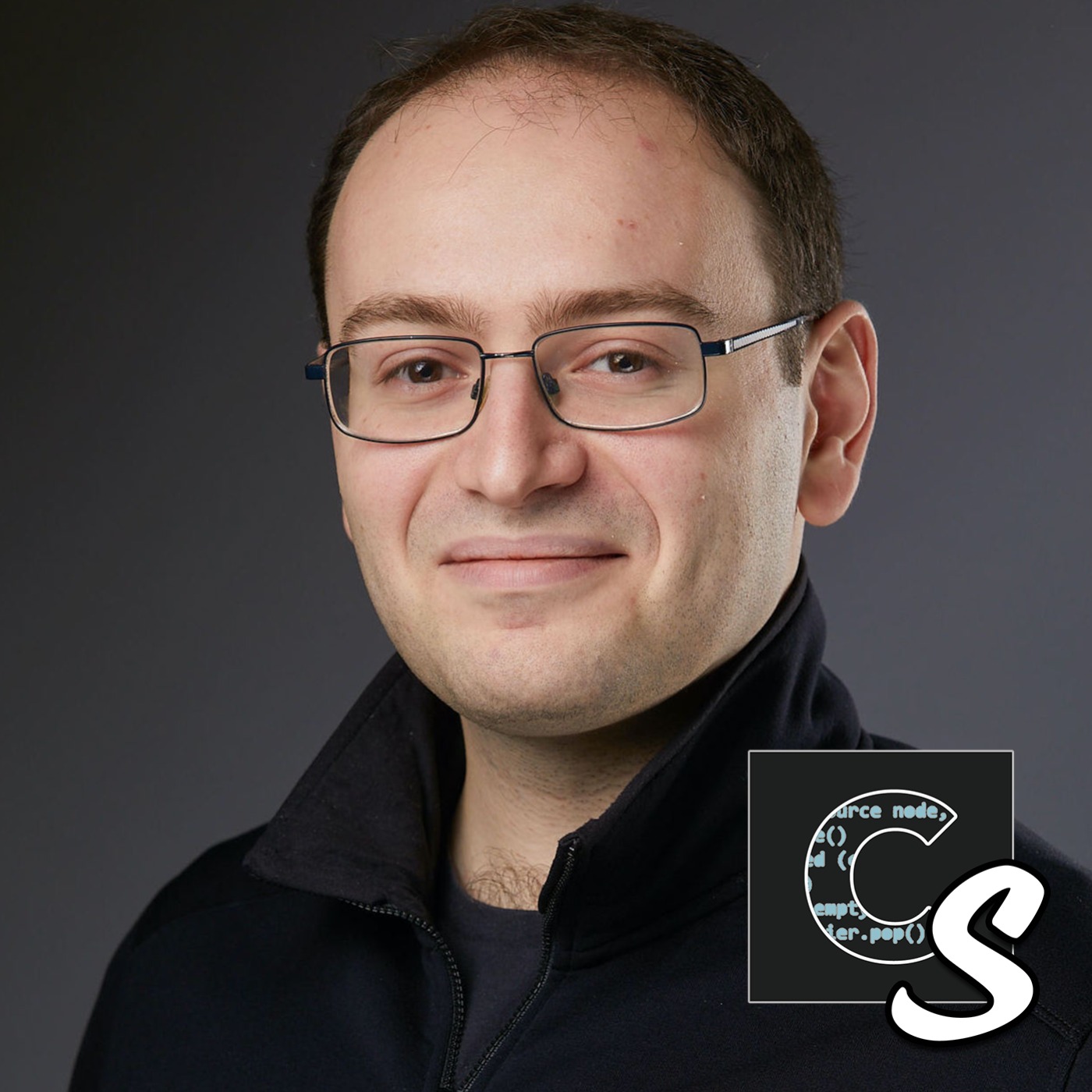
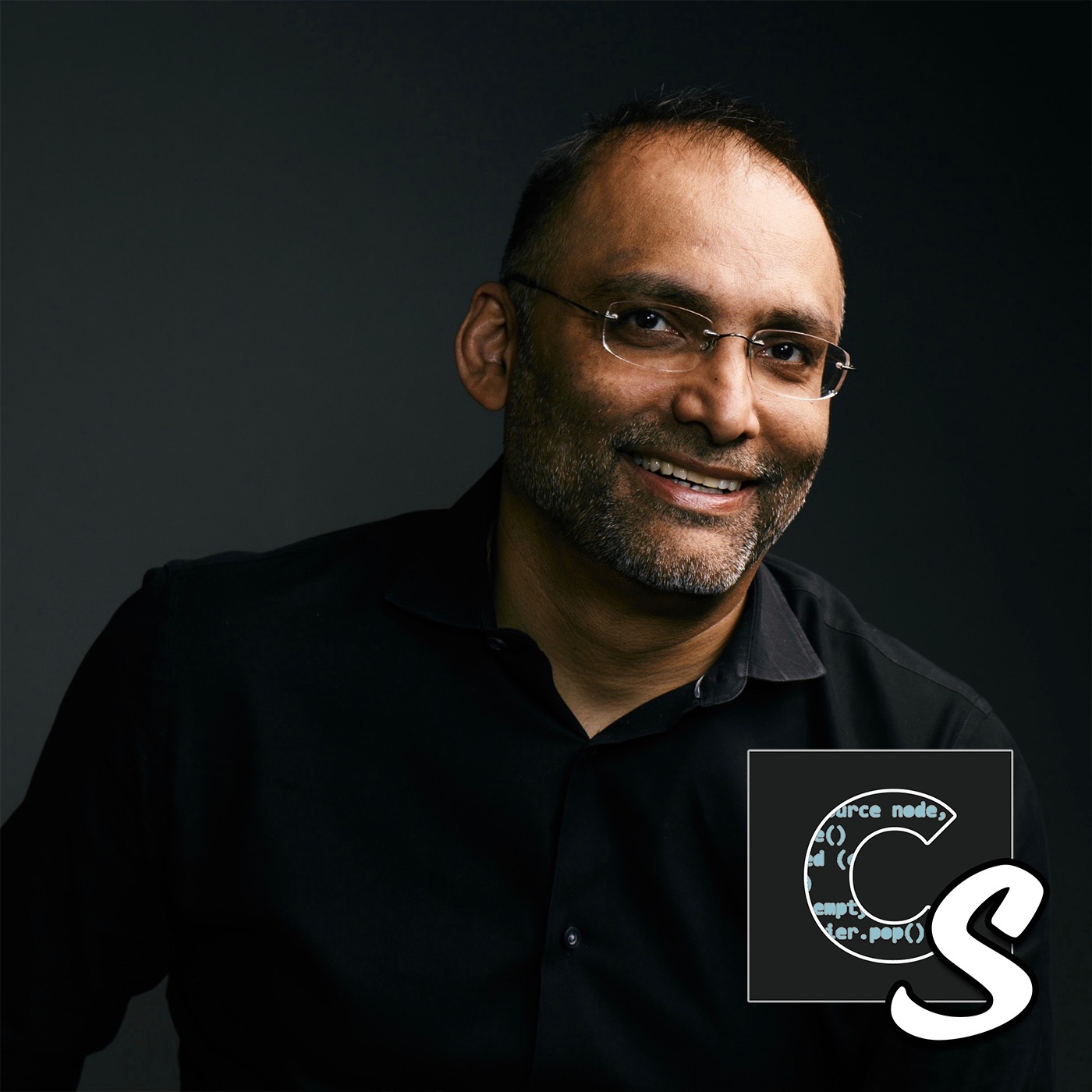
Anton Marchanka is originally from Belarus in Eastern Europe, but now lives in Poland, and spends a lot of time in New York. Almost seven years ago, the birth of his first child sparked his personal fitness journey. As his son grew bigger month after month, Anton realized he needed to build the physical strength required to keep lifting him - so he got into working out. Outside of tech, he is a dedicated family man — caring for his kid and dogs. He stays active by working out, playing tennis, golf, and rock climbing. In his downtime, he is an avid fan of sci-fi, specifically enjoying cyberpunk and classic '80s and '90s anime like Ghost in the Shell.
Anton noticed that 80% of gym members never receive any sort of personal training, as this traditional 1 on 1 coaching was expensive and unscalable. They built an AI coaching engine for this type of training, but eventually transformed their platform into flexible B2B infrastructure for fitness brands.
This is the creation story of Zing Coach.
Links
https://www.linkedin.com/in/anton-marchanka/
Current Sponsors:
Checkout our Stacklist! https://stacks.codestory.co/
Check out our Patreon!
Hosted by Noah Labhart | Technical Founder & Startup Mentor.
Our Sponsors:
* Check out Granola and use my code granola.ai/CODESTORY for a great deal: https://granola.ai
Advertising Inquiries: https://redcircle.com/brands
Privacy & Opt-Out: https://redcircle.com/privacy
[SPEAKER_01]: I think we do have a default set up for four different personalities. [SPEAKER_01]: One of which is a pretty tough guy. [SPEAKER_01]: So he's acting like a jewel sergeant. [SPEAKER_01]: And we're normally trying to make sure that those communications, they're not fill like AI communication, that they're fill a little bit more human. [SPEAKER_01]: And in some way of time, we, to be honest, actually make the jewel sergeant to be a little bit more jewel sergeant than it should be. [SPEAKER_01]: So he became not just tough.
[SPEAKER_01]: He'll literally begin roomed so he just got like a huge spike after one of updates In infee back from users that your coach is not acting tough. [SPEAKER_01]: He is literally a humiliating me My name is Anton Marchenka and I'm CEO at Zincotch This is Code Story [SPEAKER_03]: a podcast bringing you interviews with tech visionaries. [SPEAKER_03]: Six, six months moonlighting goes. [SPEAKER_00]: I'm lost in all the backgrounds. [SPEAKER_03]: Who share what it takes to change an industry?
[SPEAKER_00]: I don't exactly know what to do. [SPEAKER_03]: It doesn't go as to get right. [SPEAKER_02]: who built the teams that have their bad company is its team's help each other, a team's proud of her team. [SPEAKER_03]: Keeping scalability top of mind, all that infrastructure was up there. [SPEAKER_03]: Yes, we've been fighting it as we grew up. [SPEAKER_03]: Total waste of time. [SPEAKER_03]: The stories you don't read in the headlines. [SPEAKER_02]: It's not an easy thing to achieve. [SPEAKER_03]: To get yourself interested in often, try to begin to ride the ups and downs of the start-up line.
[SPEAKER_02]: To really want it. [SPEAKER_03]: Not just about technology. [SPEAKER_03]: All this and more on code story. [SPEAKER_03]: I'm your host, Noah Labpart. [SPEAKER_03]: And today, I'll Anton Marchenko. [SPEAKER_03]: It's giving every gym member personal coaching. [SPEAKER_03]: So you can keep them in gaze without scaling your team.
[SPEAKER_03]: Anton Marchenko is originally from Belarus and Eastern Europe, but now lives in Poland and spends a lot of time in New York. [SPEAKER_03]: Almost seven years ago, the birth of his first child sparked his personal fitness journey. [SPEAKER_03]: As a son grew bigger month after month, Anton realized he needed to build the physical strength required to keep lifting him. [SPEAKER_03]: So he got into working out. [SPEAKER_03]: But outside of tech he's a dedicated family man, caring for his kid and dogs.
[SPEAKER_03]: He stays active by working out, playing tennis, golf, and rock climbing. [SPEAKER_03]: In his downtime, he's an avid fan of sci-fi, specifically enjoying cyberpunk and classic 80s and 90s anime like Ghost in the Shell.
[SPEAKER_03]: Anton noticed that 80% of Jim members never receive any sort of personal training, as this traditional one-on-one coaching was expensive and unscalable. [SPEAKER_03]: He and his team built an AI coaching engine for this type of training, but eventually transformed their platform into flexible B2B infrastructure for fitness brands.
[SPEAKER_01]: But Zinc were trying to deliver, it's got to set the scale, personal training across almost every single person who could literally download an app or use a mobile phone. [SPEAKER_01]: and we're using this with the help of AI in all the more technology possible. [SPEAKER_01]: So the whole idea of the product actually appeared somewhere around six years ago when we just noticed a couple of interesting things. [SPEAKER_01]: So the first thing is that people do really lack motivation, confidence, and accountability when it comes to doing sports and maintaining their fitness journey.
[SPEAKER_01]: And that is a problem. [SPEAKER_01]: It's supposed to be a problem for both the zebra market and the geoperator market. [SPEAKER_01]: And the second thing to notice is that the best solution humanity actually invented to make sure people are being accountable and they are continuing and maintaining the fitness journey is to assign them a person trainer. [SPEAKER_01]: So every single pro-afflet, they do have a person trainer, every single amateur who wants to progress and advance in their sports, they do have a person trainer.
[SPEAKER_01]: The bad thing about personal training is that it is super limited in supply. [SPEAKER_01]: So there's literally very, very few person trainers in the world, even if we are considering the overall amount of people who are doing sports. [SPEAKER_01]: And at that moment we realized that we should potentially try to deliver products which will have a digital scale, but will still... [SPEAKER_01]: you know, have a capabilities of a real human person dream. [SPEAKER_01]: So that was the regional idea of Zee.
[SPEAKER_01]: Maybe in 2020, earlier to that, like late 2019, we decided to create this MVP product, and we delivered it for the App Store and Google Play. [SPEAKER_01]: We'll work with that for about five years. [SPEAKER_01]: And here we go, we understood, I would say a lot more pretty of this things that, in order to do sports in order to maintain your fitness journey, you not only need a personal trainer, but you also need a place specifically. [SPEAKER_01]: We will do that. [SPEAKER_01]: We just got that about like a 70% of our audience.
[SPEAKER_01]: of people who are actually using our redirected consumer product, they are using it while they're training in a very exact location in the gym. [SPEAKER_01]: And we've got an idea that potentially we could do a little bit more than just a mobile application. [SPEAKER_01]: We could think of, I would say, like, a new AI persona, like a new AI job, which will leave within the fitness studio or gym, which will help to scale this person training experience, like a human-grade person training experience to the [SPEAKER_01]: And that was a moment when we created this white label SDK approach, and we decided to deliver zinc, not as a standalone mobile application, but also as an AI that can assist in which empowers GM operators and GM owners to deliver this hyper personalized training and support in a motivation and accountability to all of their members.
[SPEAKER_03]: I want to dive into what you would consider the MVP for it as the encodes, then there's lots of different phases there, so I'm curious about where you start. [SPEAKER_03]: I mentioned it in the MVP and how long it took you to build and what sort of tools you're using to bring it to life. [SPEAKER_01]: back in the days actually tools was literally developers and designers, so there was no AI. [SPEAKER_01]: So we focused on the first thing in which came to mind, we started beef, programming the art.
[SPEAKER_01]: So the initial zinc was built around to call gene a digital product, which could actually create a personalized fitness journey, so the personalized programs. [SPEAKER_01]: So that was the first initial idea. [SPEAKER_01]: So can we actually create a tool? [SPEAKER_01]: which will consider your personal traits which will consider your health conditions etc. [SPEAKER_01]: and based on that, including your fitness goals will build some decent fitness programs. [SPEAKER_01]: That was the first version.
[SPEAKER_01]: It was built on iOS, so we used the Swift developers to deliver it. [SPEAKER_01]: And that was built, I think, pretty fast. [SPEAKER_01]: So it took the team a couple of months to deliver that. [SPEAKER_01]: On top of that, we actually had a pretty good guy, his name is Walter, he's Kofano at the company. [SPEAKER_01]: So he's a former athlete from Italy, and I actually think one of the few guys in the world, specifically in the Western world, who completed the Shaolin monk training.
[SPEAKER_01]: So he's very into fitness, he's there into the way out to deliver those things. [SPEAKER_01]: And he was a mastermind behind those fitness programming. [SPEAKER_01]: That was the initial base empty piece, so we were actually answering the question, can we reiterate those first mice training? [SPEAKER_01]: We've just a help of knowledge and graphic deliverables. [SPEAKER_03]: So I'm curious about, and I could probably cherry pick a few from what you said, but I'm curious about a decision or trade off you had to make in the early version there, could be around how you approach the problem, technical debt acceptance, featured limitation, all those sorts of things, tell me about a core sort of
[SPEAKER_01]: I always think that building this type of product will require how to make an in my vision couple of kind of main pillars. [SPEAKER_01]: So the first one is definitely like a programming part, but there's also a couple of things which actually makes personal training experience through a personal and really training experience, which means that we'll also need to think of real personalization and we'll need to think of for any first learning or we'll need to think of. [SPEAKER_01]: And the fact behavior to make sure that coaching that product is actually like talking to you, it can have a context to work on that.
[SPEAKER_01]: The big difference was we will need at that time we would need to pick what we should focus on first. [SPEAKER_01]: So what type of feature, what type of utility, our customers and our potential customers would need most so we can actually think about it as [SPEAKER_01]: And that was the decision, so we should not start with communication engine, we should not start with. [SPEAKER_01]: Maybe like too much of the first organization, but we should start with engage in program creation.
[SPEAKER_01]: And that was the main idea. [SPEAKER_01]: And the trade-offs we actually made was, should be focused on those things or not. [SPEAKER_01]: And the idea behind that was what was the real reason why people stayed with first training. [SPEAKER_01]: And why real human person trainers actually make the difference.
[SPEAKER_01]: The whole point, or at least like 70% of the answer, is about personalized progress. [SPEAKER_01]: So even if you're not talking to your coach, if the progress is good, you will still maintain the journey. [SPEAKER_01]: And if that program is being adaptive, you will be satisfied with that and you will potentially get close to the result. [SPEAKER_01]: So we start with that.
[SPEAKER_03]: Let's move into how you progress and matured the platform. [SPEAKER_03]: And I'm curious about how you went about that process and to wrap it in a box, I'm curious about, how do you build your roadmap? [SPEAKER_03]: How do you go about deciding that, okay, this is the next most important thing to build or to address. [SPEAKER_01]: After the first time going to the Parvichware moved towards some machine learning algorithms we decided that we need to add additional like layer, personalization, reinforcement learning.
[SPEAKER_01]: And the next big milestone was definitely adoption of large language models, which actually make the whole point about how our personalization and the fact that learning is well, very true, which was not available before that. [SPEAKER_01]: When it comes to the roadmap, so we'll literally think of two things, and the specific mind main idea here is that we don't really think of what a real human could do and how we can amplify this. [SPEAKER_01]: And the second part is that we're thinking about what is most important at this step, precision or perception.
[SPEAKER_01]: And when I'm talking about precision and perception, I think that at most of the cases, there is a thing when people who are using their product, they don't really need a super precise tool for some tasks. [SPEAKER_01]: They just need to fill that tool as good enough to complete the task they want it to complete. [SPEAKER_01]: In our case, this is actually vice versa. [SPEAKER_01]: They don't really need to which pretends to do the thing. [SPEAKER_01]: We need to which actually delivers to do the thing.
[SPEAKER_01]: So that was main principles of us deciding what to do next. [SPEAKER_01]: So we were thinking, okay. [SPEAKER_01]: So we do have this product. [SPEAKER_01]: Is it good enough? [SPEAKER_01]: to be on par with a real human. [SPEAKER_01]: If not, let's just think of what Nags' big thing is to make it a deal here. [SPEAKER_01]: We're doing a lot of cuts death on route, we're talking to the customers as canem, and that was regional natural wear prioritization. [SPEAKER_01]: And after that, we enable the second filter precision versus perception, and we decided doing it to build a very precise tool to deliver some utility and things.
[SPEAKER_01]: Or, we would need to focus on user experience. [SPEAKER_01]: and maybe people don't really need a precise tool that maybe they will need some, just help an empathy and motivation. [SPEAKER_01]: I would potentially give you an example here because maybe it's a little bit hard to get the story, but when it comes, for example, to Calry County, there could be an area precise tool. [SPEAKER_01]: So, for example, you could just weigh, [SPEAKER_01]: every single piece of meal you're doing.
[SPEAKER_01]: So for example if I'm doing a rice with vegetables and maybe some grilled chicken, I would need my scale, I would measure everything, I will wait in, I will do the whole thing and make it very precise. [SPEAKER_01]: But it is good if you are on your professional journey for example to become like a bullet-a-builder champion. [SPEAKER_01]: But for 90% of people out there want to
[SPEAKER_01]: you don't really need to make them way ever single piece of the meal there to. [SPEAKER_01]: And that's why, for example, tools like Cali or other nutrition helpers, which is powered by LLM so popular, because they're not giving you the precise measurement of what you're eating. [SPEAKER_01]: but they're giving you an overall perception that you're taking control of what you're doing. [SPEAKER_01]: And this is not good, this is not bad, this is just a different approach. [SPEAKER_01]: So instead of precise focusing on what you're doing, you're getting a perception of the control and that perception of control, eventually transforms into the live-transformment experience.
[SPEAKER_01]: So instead of winning every single grain of rice, you are literally treating everything as an advice and you're using those calmer trackers [SPEAKER_01]: to just add additional layer of control to what you're doing, which eventually leads to results. [SPEAKER_01]: So in our case, we'll literally do it the same thing. [SPEAKER_01]: So where every single time asking ourselves, do we need to precisely now and deliver the very, very exact measurement of training to person? [SPEAKER_01]: or it will be more than enough to just give them a tool which will deliver much higher level of control over what they're doing and which eventually led them to much better results.
[SPEAKER_01]: So in our case we are focusing on this type of velocity.
[SPEAKER_03]: Let's switch over to team. [SPEAKER_03]: How did you go about building your team and what do you look for in those people to indicate that they are the winning horses to join you? [SPEAKER_01]: Two things here, also, one of them is passion. [SPEAKER_01]: And second one is, we call it like a sound so phone rush. [SPEAKER_01]: I really do work with people who's passionate about something. [SPEAKER_01]: Because I think if you're passionate about the thing that you're building or if you're passionate about some ideas you have, you will literally work very hard and be super creative about what you've done.
[SPEAKER_01]: And the second part of the sense of ownership is the inner fill-in that you are not just working 95, but you are trying to deliver something you will be really proud of, and the actual sense of ownership is what I think makes teamwork as a team, because if you own your results, if you're owned the passion, which you're actually putting into that product, your teammates could rely on you, and they will know that you're doing your work on a great level, you own the
[SPEAKER_01]: So, in my artist hand, and you potentially may not be on set a good past the expert in a film, if you need an expert you could find what, but you definitely need to have fashion and you definitely need to own what you're doing.
[SPEAKER_03]: Let's talk about scalability. [SPEAKER_03]: I'm curious about how you approached scale in the beginning and how you thought about it. [SPEAKER_03]: And then also, I'm interested in, do you have stories where you've had to fight scale as you've grown? [SPEAKER_03]: Scale could be people, technology, all the things. [SPEAKER_01]: we are working heavily on large language models and different AI tools. [SPEAKER_01]: Because everybody who's working with the AI right now, you know that token usage and overall back-and-cost is sometimes getting out of control.
[SPEAKER_01]: So what we're actually doing in terms of scalability is that we're trying to deliver more just a fancy product, which everybody will like, which we're all trying to deliver some decent commercial result, which means that we cannot be not mindful about the cost perspective and everything like that. [SPEAKER_01]: So, in our case, scalability means that with the product like ours, we could potentially enrich not even hundreds, but thousands and hundreds of thousands of people simultaneously.
[SPEAKER_01]: We will be using the product, we will be talking to AI, we will be delivering a lot of different tasks to AI agents, which is built in a Zane platform, and that could potentially be in uncontrollable. [SPEAKER_01]: Scale of the resources in a talking usage, so in our case what we are doing and how our process is set up is that our team, first of all, is delivering the feature, at whatever token cost it is actually a goes, and after that we're spending sometimes months to optimize it to make it at least 80% more efficient with token usage, because in this case we just understand that we cannot reach global scale if we will not keep the cost into control, [SPEAKER_01]: And the second part is that to make sure that we're commercially okay, and we could deliver our service with a different the best price possible to our customers I also need to be very mindful about that.
[SPEAKER_01]: So our team is doing this the second part about the scalability is said in terms of the team [SPEAKER_01]: At some point of time, we also realized that maybe to run the product like ours, we do not need a lot of tea in this case. [SPEAKER_01]: So we constantly thinking of can we actually make the same delivery and can we actually deliver the same product with smaller team? [SPEAKER_01]: How can we help our best team players and best team performers? [SPEAKER_01]: to deliver more of that actually scaling more and how we can keep the team relatively lean to our same maintenance transparency and overall creative exchange.
[SPEAKER_01]: Because they might have a standing like the bigger tennis, the last communication happens between people and most of those teams like SuperBig Teams they're a black, those creative exchange would happen just spontaneously. [SPEAKER_01]: And so like this is very important for us because we're working on a digital scale, which means that we're not delivering the product, which would be used by two people for eight people or ten people who are using product, which potentially could be used by millions, which is very important for us to make sure that we can deliver support and actually be commercially effective.
[SPEAKER_03]: I'm curious about Anton, as you step out on the balcony, you look across all that you've built thus far with Zing. [SPEAKER_01]: What do you must
[SPEAKER_01]: Oh, to be honest, this is, as I said, like, it's my personal thing, but I'm super proud of I think two things. [SPEAKER_01]: The first is definitely the white label SDK we deliver. [SPEAKER_01]: I really think that this is genuinely a pretty good idea. [SPEAKER_01]: Except of other players in the market, we just noticed that we would actually don't need to be one more. [SPEAKER_01]: Look, mobile app, but we will need to become a part of another experience, and I really like not only the technical part of it, but you just, it was built actually super fast and it takes you literally five minutes to integrate into your digital experience.
[SPEAKER_01]: But I also like the overall idea that [SPEAKER_01]: We are not trying to steal or get some additional attention from our partners, but we're literally giving them a tool which is super easy and which is working like plug-and-play. [SPEAKER_01]: You spend five minutes in your get-and-service which was never available before and which could actually will take months and maybe years of work for you to do. [SPEAKER_01]: And the second part is from a consumer perspective, I do channel enjoy the communication and motivation engine, which are a Tindel.
[SPEAKER_01]: Interesting story, one of our clients actually shared it with me, so keep it a number in a gym who need to drive maybe like 40 minutes from his house to the gym location. [SPEAKER_01]: And he was popularly with our AI coach, like pretty regular video, and it was daily about the different things he asked questions about how should I do some exercises, what should I do with my nutrition, and more things, and during those conversations, he actually shared a couple of super personal but personal traits.
[SPEAKER_01]: For example, he shared that he has two docs to the labored docs. [SPEAKER_01]: He actually walks them in every single day. [SPEAKER_01]: And there was a moment in time that client, he actually sent, he got an outification from Arco to hey, you have a planned training for today, he answered that story, I have a lot of conference calls, I'm just really stuck in my office, I cannot get to the gym. [SPEAKER_01]: Arco was trying to persuade him for about five or seven messages. [SPEAKER_01]: And it is somewhat of time, our AI, you just remember that you had to dox, and he just send their interesting proposition.
[SPEAKER_01]: It said, I can create you a walking workout, so you could just walk your dox for two more hours today to maintain your physical activity to live. [SPEAKER_01]: And I really think that this is very, for me, an interesting thing how creative that product could be, if you are literally given them a possibility to be creative. [SPEAKER_01]: So those two things I really like, like, technical idea of how to deliver the easy-planetly product for customers and definitely the way how that product is.
[SPEAKER_01]: in the age of AI could be adaptive to whatever condition is happening. [SPEAKER_01]: And every single time I hear those stories from our clients, I really like the direction which we're moving, which for me means that we're literally doing something which is a harborsand hyper personal.
[SPEAKER_03]: Let's flip the script a little bit. [SPEAKER_03]: Tell me about a mistake you made and how you and your team responded to it. [SPEAKER_01]: One of the biggest mistakes we've made over time was the an interesting thing we made actually that those communication engine. [SPEAKER_01]: So at one point, we decided to test some, which had an interesting update to the personality of the coach. [SPEAKER_01]: So at Zinc, we do have a default set up for four different personalities. [SPEAKER_01]: One of which is a pretty kind of tough guy.
[SPEAKER_01]: So he's acting like a drill sergeant. [SPEAKER_01]: And we're normally trying to make sure that those communications, they're not feel like a communication, that they're feel a little bit more human, so that's why when we're actually creating those personalities and creating those communication styles we're trying to give them some idea of who they are, like what character they have, how they should answer questions, how they should deliver information. [SPEAKER_01]: And at some point of time, we, to be honest, actually make the drill sergeant to be a little bit more drill sergeant than it should be.
[SPEAKER_01]: So he became not just tough, he literally became rude, so he just got like a huge spike after one of updates in feedback from users that your coach is not acting tough. [SPEAKER_01]: He's literally humiliating me in the chat. [SPEAKER_01]: And that was a kind of big mistake for us not to kind of test it to like in a very deep thing, but we'll literally sit back and just roll it out and after that we're making a bunch deeper tests and testing environments. [SPEAKER_01]: It was not super bad to be honest, but there was a couple of pretty bad cases how AI started to handle the conversations and we just understood that.
[SPEAKER_01]: That's a thing which new, for us and for the world, but we should pay a lot of attention or this AI created you to control.
[SPEAKER_03]: Let's move forward then. [SPEAKER_03]: So what does the future look like? [SPEAKER_03]: Brazing for how you're approaching the market, where the industry is going, on fast technologies, moving all the things, what does the future look like? [SPEAKER_01]: I see how overall fitness industries changing and my own personal fill-in and vision for zinc is that we will become the company and the business and the product which will change his way, help people and GM operators and owners is literally building their business processes.
[SPEAKER_01]: And what I mean here is that currently there's a lot of disconnected things around the fitness, which is not working as a single process. [SPEAKER_01]: So for example, you as a gym member, you're a go-in-the-location. [SPEAKER_01]: You have a lot of tools which could help you, but they're not interconnected. [SPEAKER_01]: So for example, I can have a mobile application which creates a fitness program for me. [SPEAKER_01]: I would have another application to get in touch with my personal trainer.
[SPEAKER_01]: I would have
[SPEAKER_01]: Fred Mille or something and I could have one more application to kind of book some additional manages which is available in that location. [SPEAKER_01]: But in this case, it's not actually happening as a stream-like process as an overall business operation, which I could be a part of. [SPEAKER_01]: So what we're actually trying to deliver and how I see this is that, [SPEAKER_01]: It will transform the way how people interact in those projects. [SPEAKER_01]: So it will become a bridge between a digital part of experience and a physical part of experience, which will combine all those pieces together and which will deliver genuinely different experience for you.
[SPEAKER_01]: And I see this as Zing becoming this AI persona, AI Buckler, which leaves within that ecosystem and which interconnects all the disconnected pieces. [SPEAKER_01]: Also, to give an example, so I see this as you're coming to the gym and you're not just they're not just giving you a card and access card and telling you hey, this is a bench press and this is a front meal, you could do whatever you want. [SPEAKER_01]: But they're literally telling you that there is a smart engine, which runs in a background in that gym, which will help you in ever single step of the journey, and that engine is not just running by its own, it's actually connected to human stuff, or the gym like administrators, general managers, etc. [SPEAKER_01]: It's connected and has [SPEAKER_01]: Access to the personal training and personal trainers could also have an overview for your training, so you potentially would not need to do every single day a personal training session with a human, but you will still have a possibility to do that.
[SPEAKER_01]: And that system covers the data around you. [SPEAKER_01]: It actually makes a whole system much more personalized, and it's gives insights to both you and your trainer. [SPEAKER_01]: It helps you to understand your better, et cetera, et cetera. [SPEAKER_01]: And I see this as an axe tap here. [SPEAKER_01]: So literally when you're coming into location, you're not just renting the equipment, but you're actually entering some very specific journey where personalized journey, very youth-focused journey, which was never available before due to some technical technological limitations.
[SPEAKER_01]: And I think the whole world is literally moving into that because all the recent releases from the bigger companies which I heard and all the people I've been talking to for the past year. [SPEAKER_01]: Everybody's talking about how we can use in modern technology to actually make this holistic experience with being talking about for the past 15-20 years. [SPEAKER_01]: A really holistic and a really experienced. [SPEAKER_01]: And a lot of other companies are doing so. [SPEAKER_01]: For example, like we are a consumer product like where agnostic and trips are brand.
[SPEAKER_01]: But, there's very similar products to ours, which lives and was created to defend the bigger genetic assistance, for example, lifetime fitness that created those lazy product, which is very similar, but it helps them. [SPEAKER_01]: And I think that more and more people will just go into that direction. [SPEAKER_03]: Okay, Anton, let's switch to you. [SPEAKER_03]: Who influences the way that you work? [SPEAKER_03]: Name a person or many persons or something. [SPEAKER_03]: You look up to him.
[SPEAKER_01]: I really start thinking about my work and the way how I do things in business and like managing people and creating products after I got by kid. [SPEAKER_01]: So I was like getting the kid is so changing in the life and I became much, I was like more steady, much more, and I was like, how do you explain it? [SPEAKER_01]: I started to give people more chances and I started to explain things a little bit better in trying to use simple words in this case. [SPEAKER_01]: Every single time we're doing things and every single time I'm trying to make a business decision or something I'm really thinking of how can I explain this to my five or six year old person To make sure that thing is sexually working and to be honest actually it really works It's not an insult to other people, but the easier I try to deliver the idea the last I try to wrap my head around it The faster it gets and more satisfies I feel myself and I feel that people around me is also feeling a little bit more set of life [SPEAKER_01]: So yeah, definitely my key that is helping me.
[SPEAKER_01]: The second okay, so I feel right now I can do some Oscar speeches. [SPEAKER_01]: There's the second person would be my wife So huge thanks to her as well. [SPEAKER_01]: Yeah, she's actually also a CEO of the company So we do have a pretty interesting family set up. [SPEAKER_01]: She's doing games mobile games and we do have a live with college like an internal Family career competition so every single time I also do an offense my wife keeps me ambitious my wife keeps me like thinking of okay [SPEAKER_01]: So I would need just to do something interesting to get a little bit more quotes, get a little bit faster and a rollout, etc. [SPEAKER_01]: But definitely a lot of our people who I'm working with and to be honest is I'm trying to learn from almost every single opportunity I could to not really appreciate feedback from all people around me.
[SPEAKER_01]: including the cathouters, so that company included investors, including every single person who's working for me, and I really tried to get one-on-one switch to everybody to see what people think about the business, what they do think about the decisions etc. [SPEAKER_01]: And in terms of overall events, I like if two names, some famous people I do really have the book I got a couple of years ago, which is called Play to Win. [SPEAKER_01]: This is from the Lafay Martin who literally wrote this book about how to approach the strategy and how to create a strategy for a business.
[SPEAKER_01]: Which is really resonates with me to be honest because it's actually gives you a five fundamental questions. [SPEAKER_01]: You need to answer for your business like what is your winning aspiration in place in the field you're playing in? [SPEAKER_01]: What is your winning strategy? [SPEAKER_01]: What type of formation you need to build to succeed? [SPEAKER_01]: And that actually gives a very, very structured system which lives in my head because to be honest, being a CEO, especially CEO of a startup, it's literally focusing on so much [SPEAKER_01]: And I already value every single piece of information I could get in every single framework.
[SPEAKER_01]: Get to just stay concentrated and very focused about the bigger strategic things. [SPEAKER_01]: So that then is my number one. [SPEAKER_01]: So if somebody is looking for a framework how to organize your thoughts about your business, definitely into winners. [SPEAKER_01]: One of the best books I could recommend.
[SPEAKER_03]: And on last question, so you're getting on a plane, and you're sitting next to a young entrepreneur who's built the next big thing. [SPEAKER_03]: They're jazzed about it. [SPEAKER_03]: They can't wait to show it off to the world, and can we show it off to you right there on the plane? [SPEAKER_03]: What advice do you give that person having gone down this road a bit? [SPEAKER_01]: To be honest, I would say that this is already a good thing to do, being bald about the things that you're building and trying to deliver to the world.
[SPEAKER_01]: I would say, maybe two things. [SPEAKER_01]: The first is that you should definitely be very proud of what you're doing. [SPEAKER_01]: There will be millions of people around you, a lot of them, who will be skeptical, who will potentially tell things like that is not working, etc., etc., but you need to be very bold and brave and very focused and very believing in what you're building. [SPEAKER_01]: If you are not that person, there will definitely not be the second person in the world, which will do that for you.
[SPEAKER_01]: So, as a founder of the company is an entrepreneur, you definitely should invest a ton of your emotion, a ton of your passion into that. [SPEAKER_01]: And if you're not feeling that, have you say like you were a little bit down that a lot of people around you kept to go about your idea. [SPEAKER_01]: I would say that you should spend decent time trying to reflect on, is it true or not true? [SPEAKER_01]: And think about what positive things you could get out of those conversations.
[SPEAKER_01]: And the second part is, try to find people who will also support you and not just be sketchball around. [SPEAKER_01]: The second part is that you potentially, vice versa, should not be over-passionate about the things which you're doing. [SPEAKER_01]: And in this case, it's very, I would say like a pain margin between being over-passionate in under-passionate in this case, but you still need to be rational at least about that. [SPEAKER_01]: And in my understanding, and in my own personal thing is that focusing on commercial part of the business, [SPEAKER_01]: really helps you not just to go on a full visionary mode and just think about some cyber planet future aristic ideas because you are an entrepreneur you are not like a fiction writer you should not just deliver ideas to the world but you should just deliver changes to the world which will affect people and more people the better so that's why I think the commercial point of you here in a commercial land is a very good way to assess your ideas and the way how it [SPEAKER_03]: That's fantastic advice and on thank you for being on the show today, and thank you for telling the creation story of Zing.
[SPEAKER_01]: Thank you so much Noah, super happy to be here. [SPEAKER_03]: And this concludes another chapter of Coat Story.
[SPEAKER_03]: code story is hosted and produced by no a lab part. [SPEAKER_03]: Be sure to subscribe on Apple podcast, Spotify, or the podcasting app at your choice. [SPEAKER_03]: And when you get a chance, leave us a review, both things help us out tremendously.
[SPEAKER_03]: And thanks again for listening.
Latest Season of the Podcast is Sponsored By





 Apple Podcasts
 Spotify
 Castbox
 Player FM
 Pocket Casts
 YouTube
 Overcast
 Castro
 Goodpods
 Moon FM
 Podbean
 Podcast Addict
 Podcast Republic