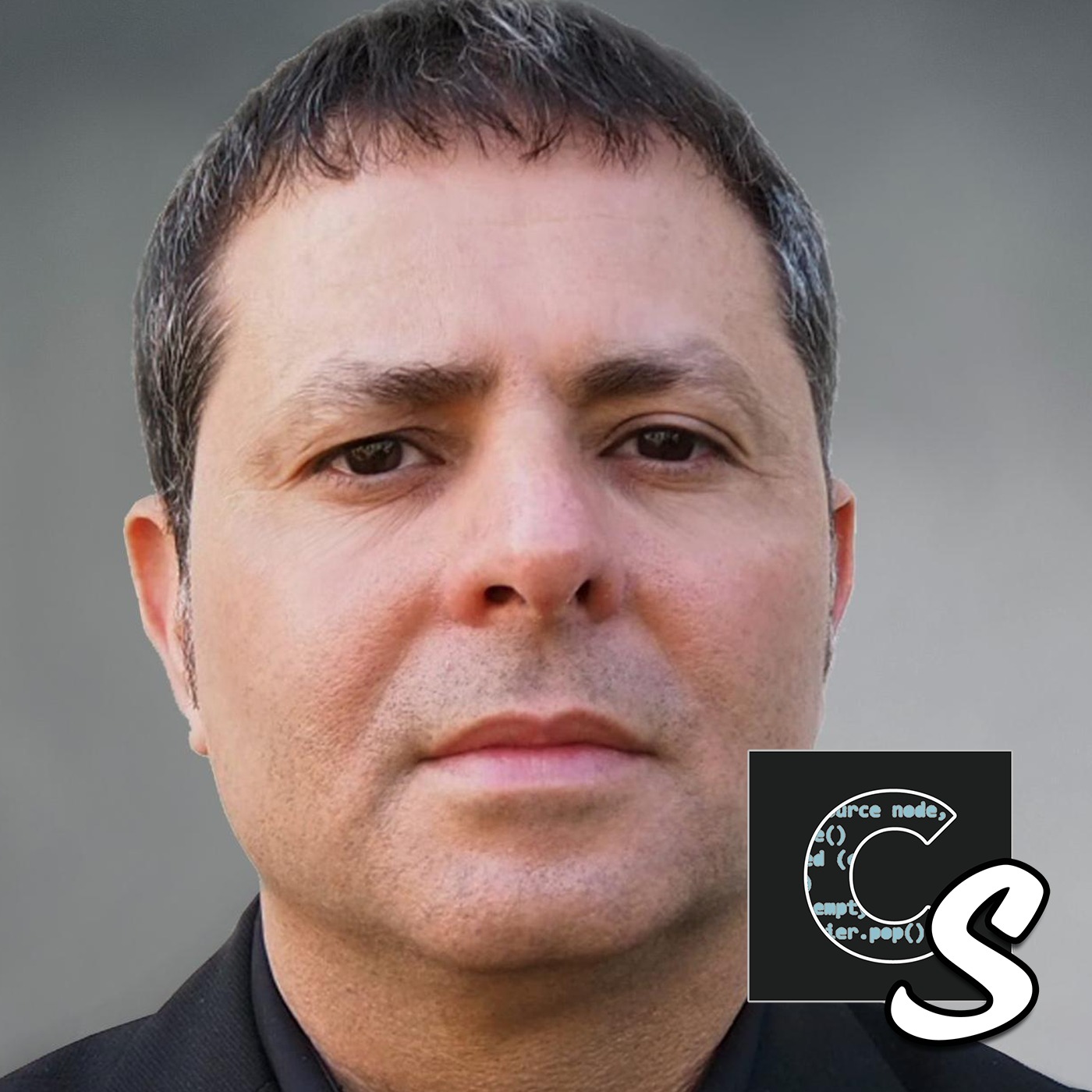
E13 Bonus: Storage to Inference: Powering High-Speed AI & NVMe Infrastructure with Eran Kirzner, CEO of Lightbits
In this episode
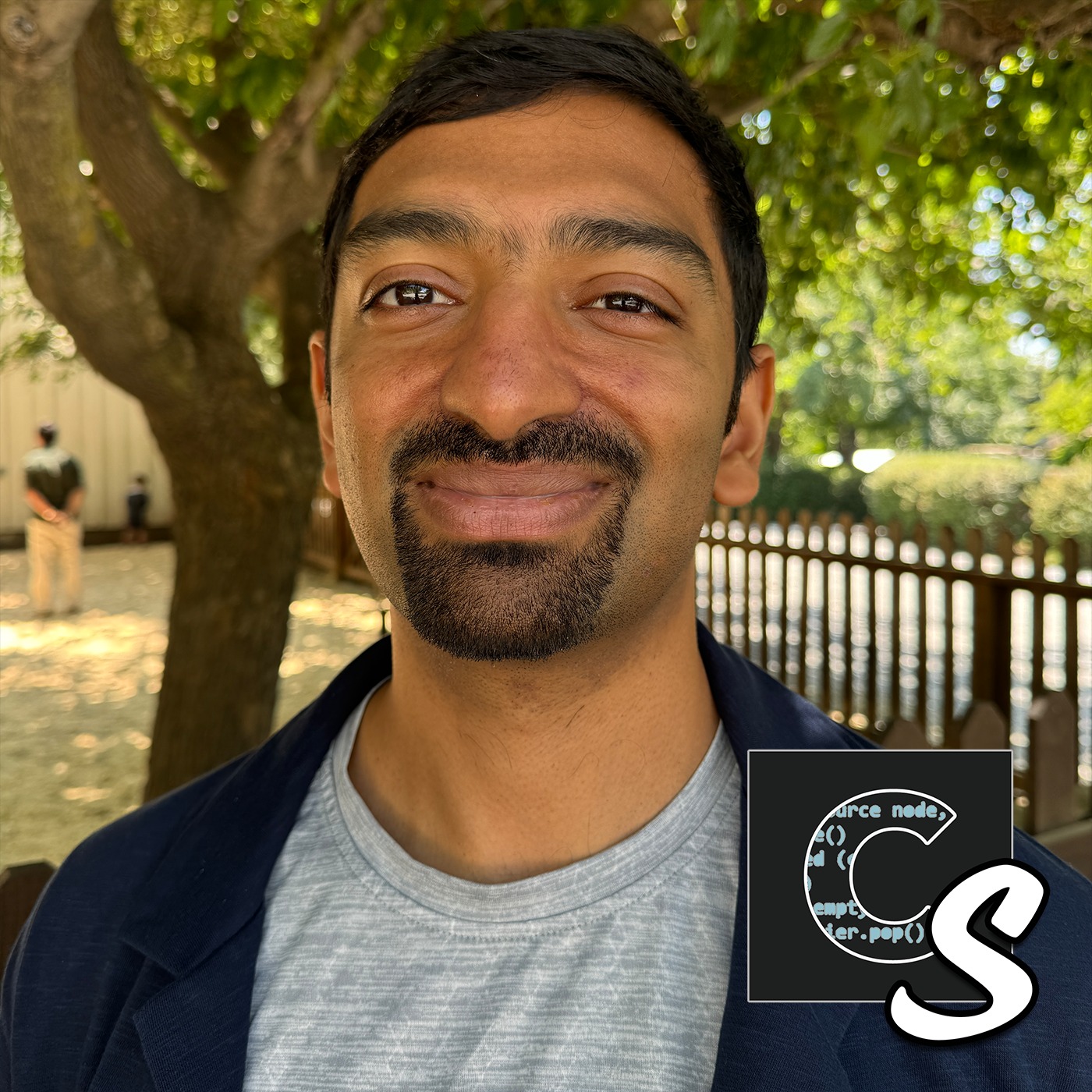
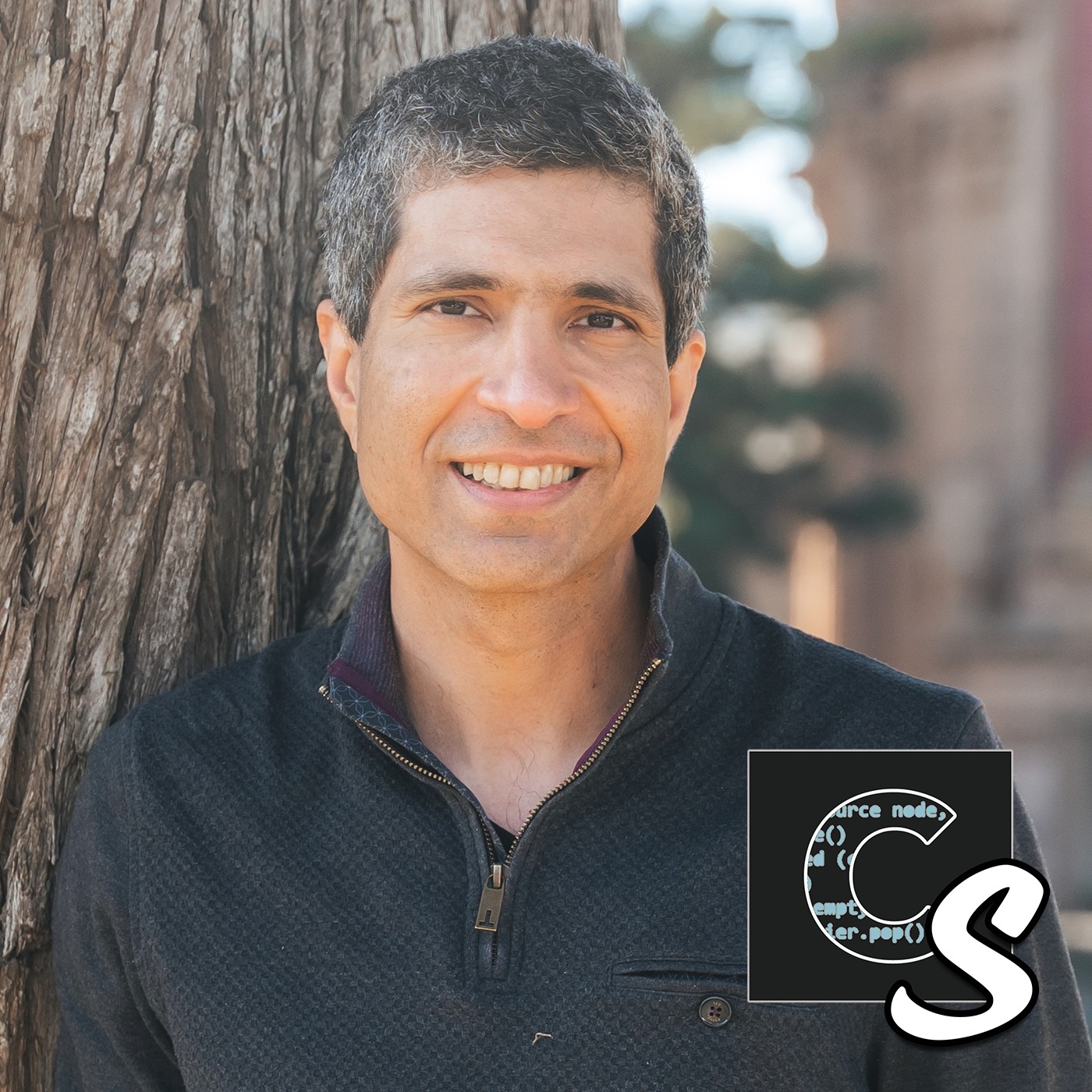
Eran Kirzner born and raised in south Israel, then moved to Tel Aviv to be close to the technology center of the country. He isn't able to see himself outside of technology, no matter how far he looks. He's spent 20+ years in compute storage and networking, building things to help scale data centers - IE deep tech. Outside of work, he is married with 3 kids, a cat, and a dog. His startup and family life blend together in a beautiful way, and there is no real border as his family provides him tremendous support. For hobbies, he enjoys mountain biking and running 10-20 kilometers at a time.
In 2016, Eran was approached by one of his co-founders, Avigdor Willenz, to start something new together. They realized that connecting drives across a network was flawed, built off top of an old model - so they invented a new standard. After successfully pioneering this technology across the globe, they started to lean into AI inference, and how to break the GPU memory wall.
This is the creation story of Lightbits.
Links
https://www.lightbitslabs.com/
https://www.linkedin.com/in/erankirzner/
Current Sponsors:
Checkout our Stacklist! https://stacks.codestory.co/
Check out our Patreon!
Hosted by Noah Labhart | Technical Founder & Startup Mentor.
Our Sponsors:
* Check out Granola and use my code granola.ai/CODESTORY for a great deal: https://granola.ai
* Check out Perplexity and use my code pplx.ai/codestory for a great deal: https://www.perplexity.ai
Advertising Inquiries: https://redcircle.com/brands
Privacy & Opt-Out: https://redcircle.com/privacy
[SPEAKER_01]: 10 years later, every storage vendor, support NVMe over TCP. [SPEAKER_01]: It's a standard and we have very proud of that go-to Wikipedia, Google 4, NVMe over TCP, Google 4 Litebit, you will see that Litebit is the ones that invented the protocol and actually brought it first to the market. [SPEAKER_01]: When you look at the Inferra, it's totally different from multiple reasons A, the life of anything today is on steroid. [SPEAKER_01]: Everything is developed with Claude and with very high pace.
[SPEAKER_01]: There is no standard, so there are multiple frameworks. [SPEAKER_01]: Right? [SPEAKER_01]: There is a VLLM, there is Dynamo of D, so there are multiple frameworks. [SPEAKER_01]: You just need to plug into those frameworks and if it works. [SPEAKER_01]: Okay, that's the beauty. [SPEAKER_01]: My name is Eran Kirzner, I'm the co-founder and CEO of LightWit.
[SPEAKER_03]: This is code story. [SPEAKER_03]: A podcast bringing you interviews with tech visionaries. [SPEAKER_03]: 6 months moonlighting goes. [SPEAKER_00]: I was lossing on the backhand. [SPEAKER_03]: Who share what it takes to change an industry? [SPEAKER_00]: I don't exactly know what to do. [SPEAKER_03]: It's all too many girls to get right. [SPEAKER_02]: who built the teams that have their bad company is its team's help each other, which is proud of our team. [SPEAKER_03]: Keeping scalability top of mind, all that infrastructure was up there.
[SPEAKER_03]: Yes, we've been fighting it as we grew up. [SPEAKER_03]: Total waste of time. [SPEAKER_03]: The stories you don't read in the headlines. [SPEAKER_02]: It's not an easy thing to achieve. [SPEAKER_03]: To get yourself a deficit of off, try to begin to ride the ups and downs of the start-up line. [SPEAKER_02]: To really want it. [SPEAKER_03]: Not just about technology. [SPEAKER_03]: All this and more on code story. [SPEAKER_03]: I'm your host, Novelabpart. [SPEAKER_03]: In today, how Iran-Cursner is helping you get the best out of your infrastructure through accelerated computing and maximum utilization.
[SPEAKER_03]: Elon Carsner was born and raised in South Israel, then moved to Tel Aviv to be close to the technology center of the country. [SPEAKER_03]: He isn't able to see himself outside of technology, no matter how far he looks. [SPEAKER_03]: He spent 20-plus years in compute storage and networking, building things to help scale data centers, I.E. [SPEAKER_03]: deep tech. [SPEAKER_03]: Last night at work, he's married with three kids, a cat, and a dog. [SPEAKER_03]: He's started up in family life blend together in a beautiful way.
[SPEAKER_03]: And there's no real border as his family provides him tremendous support. [SPEAKER_03]: For hobbies, enjoy his mountain biking and running 10 to 20 kilometers at a time.
[SPEAKER_03]: In 2016, Iran was approached by one of its co-founders to start something new together. [SPEAKER_03]: They realized that connecting drives across a network was flawed built on top of an old model, so they invented a new standard. [SPEAKER_03]: After successfully pioneering this technology across the globe, they started to lean into AI inference and had a break the GPU memory wall.
[SPEAKER_03]: This is the creation story of light bits.
[SPEAKER_01]: The company was founded in 2016.
[SPEAKER_01]: We basically, it's not like a classic startup that two kids are coming from Berkeley, they have a good idea and, okay, let's build it. [SPEAKER_01]: I don't know, for me, with a big deal of villains, founder of some of the top tech company in Israel. [SPEAKER_01]: And he basically approached me, we walk in the past, in other startup and told me, hey, let's do something together. [SPEAKER_01]: Let's see what is the next barrier, next kind of tough problems, the data center we'll see in the future.
[SPEAKER_01]: of three four people that we knew from the industry that are in the art of building kind of a data center relatedology. [SPEAKER_01]: We came from as I mentioned before from the background of networking compute storage and our goal was, hey, let's try help the private cloud as well as a [SPEAKER_01]: small data center. [SPEAKER_01]: Today they called Neo Cloud. [SPEAKER_01]: The one that actually specializes in GPU. [SPEAKER_01]: We can touch in that later. [SPEAKER_01]: Let's help them to build kind of the next generation storage solution.
[SPEAKER_01]: Okay. [SPEAKER_01]: And then we came in a new concept called NVMe over TCP. [SPEAKER_01]: It's an extension of the NVMe standard. [SPEAKER_01]: It's basically a protocol we invented. [SPEAKER_01]: It's not that kind of common that a startup is coming in and invented a new protocol. [SPEAKER_01]: and not just invented the new protocol later on and actually you made it standar, okay? [SPEAKER_01]: So we actually pushed it through the entire community and we made it all and we built the full standar out of them.
[SPEAKER_01]: So this is how it started with the vision that back then, I think about 2016, the most dominant story solution was appliance. [SPEAKER_01]: Okay, people where you're consuming a DL, IBM, itachi, and if you look at the DL, you have a totally different way to build your environment, okay? [SPEAKER_01]: If you look at Amazon, back then, or the Microsoft Azure or Google, they have a totally different way to build their solution, and it was their secret source. [SPEAKER_01]: Okay, nobody knew how to build it and how they
[SPEAKER_01]: And what we had in mind is how to simplify it, how to make it consumable by anyone that won a scalable storage solution. [SPEAKER_01]: And the idea was to basically invent a protocol that you can actually carry storage over the network. [SPEAKER_01]: The previous protocol as it been used was ice-cazzy, and they kind of the next generation of that is basically NVB over TCP. [SPEAKER_01]: It's finally going to stand out Ethernet and it's a scaled-out solution that can run on any commodity [SPEAKER_01]: And then basically, think about it, we're talking about 2017-18, when people were looked in, they haven't even moved into an NVMe, the majority of the storage to play over there was a SATA, even though NVMe actually provided a much faster solution.
[SPEAKER_01]: Everything was based on Fiber Channel. [SPEAKER_01]: And then basically we added the additional investor into the company. [SPEAKER_01]: And if you look at the investors that we have, majority of them are technology investor. [SPEAKER_01]: People like Cisco, Intel Capital, Dell Capital, Microsoft, Lenovo and so on, those investors actually help us to promote the solutions through the community. [SPEAKER_01]: okay, and not just by creating a confident amount around it, the cloud you will build, also helping us to actually really build it and stand at around it, and then we had to build all the ecosystem because when you invented a protocol, it's not enough to have the protocol, even if you have a very cool protocol, and even if you create a very cool standard, it can stay and you can put it on the shelf, okay?
[SPEAKER_01]: Nobody will use it. [SPEAKER_01]: The next thing you need to do is actually build the ecosystem. [SPEAKER_01]: So, we basically build the reference solution for Linux, okay, and it's including the target and the client. [SPEAKER_01]: And then we went and partnered with VMware, and we brought it into the VMware. [SPEAKER_01]: And then we actually worked to make it part of Open Start, and then part of Kubernetes, and then part of Open Sheet, and Open Sheet, and then basically building all the ecosystem around it.
[SPEAKER_01]: that back then, even some of our investors, they mentioned it will not work, it is not fast enough and you are not going to get the quality of service you need and storage you have to be reliable, or that was right, but we had the vision that nobody beat it on it. [SPEAKER_01]: By then of the day, it on it is and if you look today, [SPEAKER_01]: Fast forward that the vision actually come true, because eternal today could be, back then it was like 10 gig, 25 gig, and we envision it going to be 100 gig, and now today it's 400 gig and ain't only gig, so nobody can beat the kind of the speed of ethernet.
[SPEAKER_01]: how kind of common Ethernet in data center and around the world and why it was the easiest way to deploy and not just Ethernet, it's TCP and IP because every data center of TCP IP today because computers connected via TCP IP any Kubernetes class connected via TCP IP so there is no... [SPEAKER_01]: Good reason why your storage, that should be flexible and scalable, cannot connect it over TCPIP and very fast Ethernet, a big one. [SPEAKER_01]: So creating the standard, building the ecosystem around it, and after a building the ecosystem around it, basically taking a building a full scale out product and enterprise-grade, because storage you cannot really miss.
[SPEAKER_01]: Your storage is to walk all the time, it looks like network it's at, okay, back at last you can reach once made it, you can get it again. [SPEAKER_01]: No storage, it's about kind of reliability, it's about kind of the endurance, it's about kind of the ability to read data all the time and know that the data is available and protect it that you can trust it. [SPEAKER_01]: Today we are basically servicing the top financial institute in the U.S. and Europe, some of the largest cloud provider as well as some of the kind of the largest e-commerce.
[SPEAKER_01]: So this is a mission critical type of application. [SPEAKER_01]: You cannot lose a bit, you cannot get any kind of fake. [SPEAKER_01]: It's about SLA. [SPEAKER_01]: So it's not just about having the right protocol and every kind of a very fast and
[SPEAKER_01]: And when you have 1,000 of nodes, I know that you like to ask in your product about scalability. [SPEAKER_01]: scalability is part of the game. [SPEAKER_01]: If you don't build for scalability, there is no way it can work. [SPEAKER_01]: Sometimes I interview people to like me and ask them, Do you know what is tail latency? [SPEAKER_01]: Okay? [SPEAKER_01]: And why tail latency is important? [SPEAKER_01]: Basically, when you look at daylight and see that they're in 5'9' and 7'9' and you have 1000 of mode or 10' of 1000 of mode, and you have a problem you always hit this problem because in scale it happened.
[SPEAKER_03]: I want to make space before I move into early days MDP things and, you know, that's light bits, SES and I got there. [SPEAKER_03]: Tell me about in Ferra. [SPEAKER_03]: Tell me about, you know, the industry is changing. [SPEAKER_03]: There's lots of changes with AI and light bits is recently released, you know, something that is built around AI and everything else. [SPEAKER_01]: I'm looking at closely with our customer. [SPEAKER_01]: The customer is helping you to shape the product.
[SPEAKER_01]: Okay, and some of our customers are Neo Cloud and some of our customers are a large financial and over the last two plus here you will see actually you see a transition from a financial going from the pendulum move from the public cloud into the private cloud because they want to run some workload internally back I would say and of course Neo Cloud and CSP. [SPEAKER_01]: a cloud provider, a hosting more and more GPU. [SPEAKER_01]: By the past GPU was like a niche solution. [SPEAKER_01]: Today you have data center, private cloud, or new clouds that hosting tens of thousands and hundreds of thousands of GPUs.
[SPEAKER_01]: And if you look two years back, majority of the workload was all about training. [SPEAKER_01]: And then recently you could start to see more the shift. [SPEAKER_01]: In the beginning it was like 80, 20, 50, 50, and now you see more and more workload move into inference. [SPEAKER_01]: And not just moving into inference, there is a conception of open source model, okay? [SPEAKER_01]: Not just for the, I would say, the top platform to your model, but also for open source model, those neost, a cloud are looking to go up the stack and build your inference environment, they kind of poke it factory or AI factory, and the financial institute, [SPEAKER_01]: are looking how they can basically reduce the cost they're paying for token and be of their own kind of model or I would say custom model custom weight and they're looking for end-to-end solution.
[SPEAKER_01]: And this is where we can basically start to work with them and say, okay, what problem we can help you to solve? [SPEAKER_01]: And the problem is categories today is the memory world. [SPEAKER_01]: Okay, if you heard about this concept, it's basically the case that people are buying a more GPU just to get access to more memory. [SPEAKER_01]: And I will explain. [SPEAKER_01]: Basically every GPU every limited side of HPM high-speed memory, right? [SPEAKER_01]: And this BHVM is stuck is part of the GPU and if you want to load the very large model with more parameters and you go to 3-on-the-farmature 3-on-the-farmature, 3-on-the-farmature, 3-on-the-farmature, 3-on-the-farmature, 3-on-the-farmature, 3-on-the-farmature, 3-on-the-farmature, 3-on-the-farmature, 3-on-the-farmature, 3-on-the-farmature, 3-on-the-farmature, 3-on-the-farmature, 3-on-the-farmature, 3-on-the-farmature, 3-on-the-on-the-farmature, 3-on-the-on-the-farmature, 3-on-the-farmature, 3-on-the
[SPEAKER_01]: allow you to share memory and storage between GPU and then increase your overall footprint. [SPEAKER_01]: So now you can actually run larger model, more concurrent session or context, honestly, have a much larger context. [SPEAKER_01]: So we managed to take a standard color H100 and instead of running just one million input parameters to run 10 million [SPEAKER_01]: Instead of fronning like 10 concurrent sessions, we can 100 concurrent sessions, and we can increase your time to first token from x to 10x, or even 20x, and more.
[SPEAKER_01]: So we basically increase the GPU of effective utilization. [SPEAKER_01]: In many cases, GPU of effective utilization stay on 30%, and we can get it up to 80%. [SPEAKER_01]: Okay? [SPEAKER_01]: The combination of all the three think about rectangles that have [SPEAKER_01]: Number of session, simultaneously session, input token and then time to first token. [SPEAKER_01]: All of that can be played depending on what your AI factor is trying to achieve. [SPEAKER_01]: Are you trying to achieve kind of higher quality of an output token?
[SPEAKER_01]: Are you trying to achieve the faster kind of time to first token? [SPEAKER_01]: Or are you trying to achieve a more kind of thing? [SPEAKER_01]: Number of session or agent per second that can run simultaneously. [SPEAKER_01]: So the product will be including kind of these two main elements, one, increasing the HBM, or the virtual HBM, think about the virtual memories that can span out of their GPU. [SPEAKER_01]: And second, it actually predict the information the GPU need to process and bring it just on time.
[SPEAKER_01]: So the number of stall-cycle from the attention kernel is actually reduced significantly. [SPEAKER_03]: Let's go back to the beginning, right? [SPEAKER_03]: I asked about MVP's on this show, and I'm curious about, maybe MVP for both sides of the world there, for SDS and for Infra, what do those MVP's look like? [SPEAKER_03]: What we're using to bring them to life? [SPEAKER_03]: And I want to take you to bring it to the world. [SPEAKER_01]: To the front example, okay? [SPEAKER_01]: And actually we had the privilege to leave what of their metlite with.
[SPEAKER_01]: So let's talk about the first one. [SPEAKER_01]: The first one was more like an out say standard journey. [SPEAKER_01]: You basically have thought about the solution and as I mentioned before, we created the standard where to build a ecosystem around it and then we brought the first enterprise solution into the market. [SPEAKER_01]: It's took us a lot of time, okay? [SPEAKER_01]: It took us a lot of time because to get the MVP out, because we had to find a standard to work with kind of, and many of the established companies back then like Melanox, Broadcom, C-Sco and others were not, we're a little bit resistant, I would say, to the new protocol to the new standard.
[SPEAKER_01]: Today, fast forward, like 10 years later, every storage vendor, support and the new recipe. [SPEAKER_01]: Okay, it's a standard and we are very proud of that go-to Wikipedia, Google for NVMe over TCP, Google for LightBit, you will say that LightBit is the ones that invented the protocol and actually brought it first to the market. [SPEAKER_01]: Okay, so we are very proud on that and we are very proud on the fact that we actually not just create a very cool product but also influence the community.
[SPEAKER_01]: Over there it took us to get a product into a first NVP, I would say production rate
[SPEAKER_01]: Probably three years, because of the journey of a established kind of the standard building the ecosystem and taking the solution out. [SPEAKER_01]: So you can really plug it in every environment. [SPEAKER_01]: And that's the case today. [SPEAKER_01]: Today, every environment you have doesn't matter if it's a VMware. [SPEAKER_01]: open-stack, open-shift Kubernetes. [SPEAKER_01]: Bare metal, you can plug an NVMe over this piece solution and it works out of the box, that's the beauty because it's already in box in every client you can think of, okay?
[SPEAKER_01]: When you look at the infera, it's totally different, okay? [SPEAKER_01]: It's totally different from multiple reason, A. [SPEAKER_01]: The life of anything today is on-site, everything is developed with Claude and with in a very high pace, and the amount of people you need to develop product is smaller, and there is no standard here, it's basically it's about. [SPEAKER_01]: Getting things work, making things efficient. [SPEAKER_01]: So if you think about the storage, it's very kind of traditional market and that it has to be comply with everything that you exist out there.
[SPEAKER_01]: When you look about kind of basically an inference environment to their multiple framework, right? [SPEAKER_01]: There is a VLLM, there is dynamo of form and VDD, so the multiple framework, you just need to plug into those framework. [SPEAKER_01]: There is no certification, there is no standard, and if it works, okay, that's the beauty. [SPEAKER_01]: And then basically build our solutions that it's plugged into any of the standard framework if it's LND, if it's VLLM, and basically we can get it up and running it in a much shorter cycle.
[SPEAKER_01]: So in this case, it took us out six months to get the first MVP and maybe 12 to 18 months to get the full GA product out there. [SPEAKER_01]: And that's some tips that we recently announced and AI in-frying South the Clara. [SPEAKER_01]: We announced our latest solution and we basically dissolution already in POC and already in production pilot in multiple kind of customer ends.
[SPEAKER_03]: Okay, so my next question is around roadmap, right? [SPEAKER_03]: It's around maturation and progressing a product, and I'm curious how you did that for the SDS side of things, but there's also a bit of a bridging the gap to how you did that for Infra, and I think in general, I want to know how do you go about society that this is the next most important thing to build, or to create, or to address at-librates. [SPEAKER_01]: So with the STS, we were creating the market in a way. [SPEAKER_01]: So we envision all the solutions going to look like.
[SPEAKER_01]: Majority, as I mentioned before, of the deployment were a blind space and we had to convince the markets that the software defined best solution, which is based on NVMe over TCP protocol, is something that can work, it's reliable, and it's scalable, and they can actually manage it like any other database or any other deployment that they have in the data center. [SPEAKER_01]: and we were the ones that actually initiate kind of what is the next solution what is they kind of and sometimes it either eat us if you ask new one for example when we introduced kind of the multi-clustering solution.
[SPEAKER_01]: We should probably do it earlier but it took us time to to come with the solution because there was no kind of customer demand. [SPEAKER_01]: It's more like us kind of need to come with the idea and then customers say oh yes we can use it it could be useful. [SPEAKER_01]: When you look at the inference solution, I think the market is more open for collaboration and there is more kind of a better kind of synergy between the customer and us. [SPEAKER_01]: Okay, so the dynamic is tell me what you're doing, and we will tell you what we need, and then the symbiosis is actually building the product and forming it from every day, okay?
[SPEAKER_01]: So if I need to think about what are the next kind of a product [SPEAKER_01]: I can already talk with the customer, and the customer helping us to tell us what is more important for them, where they see value, and how this can impact their economy, how this can impact kind of the revenue they will generate, and what is more important and less important. [SPEAKER_01]: If it's related to security, if it's related to isolation, if it's related to reliability, we can trade off the different feature and decide how to prioritize them.
[SPEAKER_01]: Just to summarize the two approach, the first approach with the STS was more like we need to build it in a way that it can compete with the enterprise-grade solution out there, which were appliance, and we had to decide what is going important to put the foot in the door in order to get into the largest bank in the US, the largest kind of payment series and so on, okay? [SPEAKER_01]: Because there is a barrier of such a company, there are multiple barriers, a barrier to adapt the technology, a barrier to adapt the technology for a startup, okay?
[SPEAKER_01]: And then they need to see a significant value and the value can translate into a higher performance, a better scalability, [SPEAKER_01]: higher value to their customers. [SPEAKER_01]: Okay, if you think about like one of the largest e-commerce, they have 500 million users and we are basically servicing everything in their data center. [SPEAKER_01]: So a value for them is the ability to have a service that they can deliver you something in 10 minutes. [SPEAKER_01]: Unbelievable. [SPEAKER_01]: You can order something, it doesn't have to be just a sandwichable, okay?
[SPEAKER_01]: It can be anything, it can be iPhone, it can be battery, it can be some laptop, anything crazy over your mind. [SPEAKER_01]: You can order and then you can get it like in 10 to 15 minutes. [SPEAKER_01]: Now in order to deliver something in that speed, you need a solution that will be able to setify so many things that you can even think about it, like fraud detection, recommendation, and engine. [SPEAKER_01]: Identify the closest location to your place. [SPEAKER_01]: Identify some delivery service that will pick it up and deliver to you.
[SPEAKER_01]: When you think about the scale, now maybe you can deliver it like to 1000 customer. [SPEAKER_01]: I would think about 500 million customers that you need to service. [SPEAKER_03]: So to do things of this magnitude, you have to have the right team in place, and I know I heard some of the the founder story, I'm curious about that, but I'm also curious about how you build teams, how do you go about deciding that, okay, this person has what we need, and what are those things that indicate that they're the winning horses to join you?
[SPEAKER_01]: So, I can sense that in the beginning of flight rates where the privilege to assemble an Israel there is a kind of microcosmos like silicon valleys that you have so many kind of very smart people with coming from different disciplines by the product like the product we build you need to have expertise in virtualization and you need to have expertise in networking, you need to have expertise in a data center OS and so on. [SPEAKER_01]: So we had the privilege of knowing a lot of people, so very early days of the company, the moment that we started a company and everything sounded like a victim of aliens as your partner.
[SPEAKER_01]: So there is some glory and some a lot of success story, so we helped you to attract top talent into the company. [SPEAKER_01]: Of course, you need to make sure that you have the right, you are building the right culture. [SPEAKER_01]: For the right culture, we would say, so there is a good chemistry between the people, people are looking kind of to have the dream and start up 95% of the start-out faith after one and a half years or two years, right? [SPEAKER_01]: and so you need to have people that are built from the materials that you can run marathon, we talked about running in a previously right so people that are not looking for okay let's have a fast exit within the next 12 months and if it doesn't work okay we'll move to the next thing no it's going to be tough every year you say oh that was a tough year what the next year is prepare for you you don't know [SPEAKER_01]: and we talked about it just before, right, you need to adapt.
[SPEAKER_01]: And everything is changing constantly, right? [SPEAKER_01]: The technology is changing, the economic is changing, the competitor is not staying at the same place. [SPEAKER_01]: You need to have people that have kind of this. [SPEAKER_01]: I would say this magic, this kind of sparks that they are willing not just to walk hard, but to be adaptable, the adaptable to this situation, to be with you and the ups and downs, and to believe in the mission, and to believe in the way of kind of [SPEAKER_01]: that the execution all the way right from just building a cool product and supporting the customer and sometimes it's very demanding customers the combination you need to bidder for the customer so the customer putting a lot of trust and faith in your product when you are servicing kind of top-notch customers that if you cannot just sell them the product you need to bidder to support the product 247.
[SPEAKER_01]: How you detect those people at the very, very early days. [SPEAKER_01]: So it's great if you know those people from your past life. [SPEAKER_01]: And that's what happened with the first 10, 15 people we brought into the company. [SPEAKER_01]: Actually, we walked with them with previous startup. [SPEAKER_01]: And we know that they have the resiliency and we knew that they have the the taller run and we knew that they have the way to adapt. [SPEAKER_01]: So they join us and we actually continue together to the next journey.
[SPEAKER_01]: And this is not the first startup we are running together. [SPEAKER_01]: And then the people that we hire, it's like people bring people, that's the best way. [SPEAKER_01]: People know people that they walk in the past and then sometimes you need to hire some junior and train them and build them into that. [SPEAKER_01]: So it's a combination of different people that join a different stage of the company.
[SPEAKER_03]: Okay, you've touched on this throughout a couple of your answers, but I want to give space for how you approach scale in every some interesting stories about the way you think about scale, and this is for both sides of the house on the product, but also if there's been interesting areas where you've had to fight scale as you've grew up. [SPEAKER_01]: The approach we took said you need to design for scale. [SPEAKER_01]: And this is what we have done in the past. [SPEAKER_01]: And this is what we're doing today for Inferra, our inference product.
[SPEAKER_01]: You basically need to think scale all the time. [SPEAKER_01]: Because when you build this for scale, the number one assumptions that you have that [SPEAKER_01]: Things are going to fail, okay, because when you're talking about very loud scale, for example, one of our customers are running 2 million Kubernetes node that connected to our product, okay, 2 million, so it's a it's very kind of a sizable environment, I would say and it's not just a day [SPEAKER_01]: client, it's also the networking and it's the server, the store server and everything.
[SPEAKER_01]: So you're working assumptions that things are going to fail and you don't know what it's going to fail. [SPEAKER_01]: It's going to be the NIC, it's going to be the SSD, it's going to read the entire server, it's going to be multiple server. [SPEAKER_01]: So it's all about designing a product that's have kind of auto healing capability. [SPEAKER_01]: Okay? [SPEAKER_01]: it needs to detect the problem, it needs to recover, purify the problem and continue, and that's the working assumption basically at cloud, in any cloud environment.
[SPEAKER_01]: Things are going to fail, the question how fast you're going to detect it, and how fast you're going to recover out of that. [SPEAKER_01]: And when you think about scale, in the beginning you think about the rule of thumb where it is like, let's plan for single-rate, [SPEAKER_01]: then like for 30 rack and then like for 1,000 rack, okay? [SPEAKER_01]: That's on this how you build the solution. [SPEAKER_01]: And also when it's not just in the design itself, you also need to have your testing built for that.
[SPEAKER_01]: So your testing environment either, some of that is virtualized environment, some of that is physical environment. [SPEAKER_01]: It always needs to grow with your scale. [SPEAKER_01]: And every time you grow a limit, [SPEAKER_01]: you're going to find something. [SPEAKER_01]: And if you are not going to find it, your customer is going to find it. [SPEAKER_01]: That's the working assumption. [SPEAKER_01]: So when you go away from 1,000 to 10,000, something is you are going to eat some limit.
[SPEAKER_01]: I don't know if the limit will be some bug in the software or some kind of a timing of a communication between the different elements in the system, or it can be some configurations that have some limit or something like that, any of the above. [SPEAKER_01]: Every time you cross a limit, basically we're trying to test it and validate it not just from the design itself and also also for the verification and what we're doing is we always tell our customer look We designed this to be like 60-4,000-node, okay?
[SPEAKER_01]: But we tested only for, I don't know, 48,000-node [SPEAKER_01]: or 24,000 though, okay? [SPEAKER_01]: So they know where it was designed and where it was tested, okay? [SPEAKER_01]: And if they are crossing a scale that we are don't have the ability to scale, they know that they are crossing kind of the first ones that get into the ocean. [SPEAKER_01]: The first ones that crochet, crossing the ocean, and we need to be there for them to help them to do this cross. [SPEAKER_01]: And it's in every detail, it's every detail of the environment, you need to think about scale.
[SPEAKER_03]: Iran as you step out on the balcony and you look across all that you've built this far at light bits. [SPEAKER_03]: What do you most proud of? [SPEAKER_01]: Oh, many things, having come to a new startup company running for 10 years, it's absolutely not easy, okay? [SPEAKER_01]: So, having the people and the culture and kind of people that's running for us with us from day one till today, it's been in one train, one ship together, it's kind of a major achievement, okay? [SPEAKER_01]: And as I told you before people adapt, what we're doing today, it's totally different what we did nine years ago and if you knew all the kind of ups and downs and complexity that we know today with all of us started nine years ago, that's a big question, I'm not sure, okay?
[SPEAKER_01]: Building the company, building the ability to run all this smart on together, that's kind of one of the [SPEAKER_01]: most important thing for me and for the entire team that here. [SPEAKER_01]: That's one. [SPEAKER_01]: The second is the technology itself, the effects that we invented the new standard and new technology. [SPEAKER_01]: And today, all the people were taught we are crazy that these will not work and some of them are our investor today. [SPEAKER_01]: Some of the told us, though it will not work, we tried, we even tried and didn't work for us, that those people not just joined the journey, becoming investors at the company and then later on some of them actually become our competitor.
[SPEAKER_01]: Okay, think about Dell, okay, it's a company. [SPEAKER_01]: They adopted standards that they didn't believe it. [SPEAKER_01]: See, and then eventually in being invested in the company and see, build a product like that, it's 180 degree flip, right? [SPEAKER_01]: Think about it competitive. [SPEAKER_01]: Now, someone that didn't believe in what you are doing, invest in you, and then build a product that plays on the technology you invented, okay? [SPEAKER_01]: That's a big achievement, and that, let's say something, let's say that what we build here and work for that kind of day and night, it's actually meaningful for the, not just for us as a company, but also for the industry.
[SPEAKER_03]: Alright, so let's flip the script a little bit. [SPEAKER_03]: Tell me about a mistake you made and how you and your team responded to it. [SPEAKER_03]: And that could be SDS in Fair O or anything that comes to mind for you. [SPEAKER_01]: Not about doing the mistakes about recovering the mistake, detecting and recovering. [SPEAKER_01]: The SDS I think the biggest mistake was some of the engagement we made, okay? [SPEAKER_01]: So as part of our kind of drive to take the solution to the next level and basically create fast adaption, we invest a lot of effort working with kind of dead.
[SPEAKER_01]: I would say the big kind of a invested a lot of time for them to together to validate the solution and they actually give us so much complement and the solution is kind of frog solely and one of them even test our solution and don't want to get to names. [SPEAKER_01]: Test our solution for, I will remember that. [SPEAKER_01]: 183 days and it didn't break, okay? [SPEAKER_01]: Eventually, walking with those giant didn't actually generate any
[SPEAKER_01]: Yes, it gives us the glory. [SPEAKER_01]: Yes, we could attach our name to their name, which people say, oh, it's cool that they're working with you guys. [SPEAKER_01]: It's cool that they are actually placing your technology. [SPEAKER_01]: But by the end of the day, we should probably invest more time with our customers. [SPEAKER_01]: and not just by promoting the solution out there that people will believe that it is a valuable solution. [SPEAKER_01]: So let me rephrase it, okay?
[SPEAKER_01]: We had to fight the concept that people didn't believe that this protocol is reliable enough and can actually scale. [SPEAKER_01]: While we knew it and some of our customers had already deployed knew it as well. [SPEAKER_01]: So probably a smart thing for us was just
[SPEAKER_01]: And what we did, we actually invest our time with some of the hyper-scaler of very large enterprise that basically blessed the solution and give a confidence that this solution is really reliable. [SPEAKER_01]: But in fact, it didn't help us to generate more business because we were stuck on the technology concept first on the commercialization of the product. [SPEAKER_01]: So my advice, if you ask me one advice to founder,
[SPEAKER_01]: and stay close to them and make them who fast and be happy, be very selective about the partner, even though they are very large, very important brand name. [SPEAKER_01]: They can add some glory to the technology, but not necessarily will drive revenue, which at a certain point that's the most important things that you need to do at the life of the company.
[SPEAKER_03]: It on, this will be interesting. [SPEAKER_03]: You have two, two different product clients, one recently released, and I'm curious about what the future looks like for light bits, for SDS, for Infera, and for all the things based on where the industry is going, what are you going to be promoting and fair all the things, what does the future look like? [SPEAKER_01]: The two products are separate but complementary. [SPEAKER_01]: Each one of them can work independent at the same time, they can also work together.
[SPEAKER_01]: So if our target customers are neocloud or large financial, they can consume each one of the products, and sometimes even it's the same teams that can consume. [SPEAKER_01]: In term of kind of the future of the product, I would say, the software defined storage solution. [SPEAKER_01]: That's basically a product that it's all about scale. [SPEAKER_01]: It's all about kind of scale within the existing customer. [SPEAKER_01]: Some of them can grow like 5x and 10x, so within the same account.
[SPEAKER_01]: And winning more and more customer and adapting kind of additional features. [SPEAKER_01]: So it's making like a more kind of... [SPEAKER_01]: Featureage, in terms of security, in terms of cost reduction, especially when you think about the current memory kind of trend SSD becoming like 3 to 5x more expensive this year compared to last year memory becoming more expensive. [SPEAKER_01]: So how will we make our product more easy to consume a cost reduction and economic for our customer?
[SPEAKER_01]: That's this is our goal now. [SPEAKER_01]: For the SDS product and it's more about kind of reliability feature each. [SPEAKER_01]: That's kind of the SDS product. [SPEAKER_01]: With the Inferra, we are at a exciting phase of, we just announced it. [SPEAKER_01]: We have more than 20 customers, line up for a validating solution. [SPEAKER_01]: You may say a POC or production pilot. [SPEAKER_01]: We need to be very smart on which customer we are putting first in the list, because we will not be able to support all of them.
[SPEAKER_01]: So we need to support the, [SPEAKER_01]: The first 5 that the first 10 next 10 and so on, and while we're moving forward, we really like smart startup or smart Neo Cloud, I would say, it will help us to build and define the solution and take it to the next level, because I think if this is absolutely the beginning of this product and the product is going to be involved and shape again and again over the next 12 months, so it's not about scalability here, it's more about kind of adaptee.
[SPEAKER_01]: Adaption to the new model, adaption to the new environment, adaption to the customer needs, and then ease of use. [SPEAKER_01]: Make sure that it's so easy to the customer to deploy it and build it into their own product and then offer it to their own customer. [SPEAKER_01]: This is our kind of next kind of view, the next kind of 6-12 fans. [SPEAKER_01]: This is our kind of job number one. [SPEAKER_01]: Take those kind of 20 POCs that we have. [SPEAKER_01]: and help them to get the tech the product into production, make it easy for them and consume a book for them, and then think about the next level of future capabilities that we add to that.
[SPEAKER_03]: It aren't, let's switch to you. [SPEAKER_03]: Who influences the way that you work? [SPEAKER_03]: Name a person or many persons are something you look up to and why. [SPEAKER_01]: So, first of all, my partner, a victim of villains, is like one of the top gurus in, in, in, in, kind of fighting guru in the, I would say in Israel, and in kind of the entire, high tech environment, especially if you think about deep tech, and he's always been a mentor for me over the years, I, I know him for the last 25 years, and he's always a source of kind of influence and inspiration from one aspect.
[SPEAKER_01]: second aspect is it doesn't give up when it becomes complicated and hard, you always find kind of the way to move forward and find the next kind of a river and next kind of pass forward. [SPEAKER_01]: So I think he's one of the biggest sorts of influence. [SPEAKER_01]: And of course, there are many other people that I walk with over the years, colleagues and other founders that kind of, I always get advice, okay? [SPEAKER_01]: We have pretty smart people in our board and investment team that kind of supporting, I would say, kind of the lightbeats kind of supporting firmly is very rich.
[SPEAKER_01]: People with many years of experience and this is in the past when people going back to one of your early questions and people
[SPEAKER_01]: I was telling them and truly believed in that, that lightbeats is the best start-up school or one of the best start-up school because of the surrounding family. [SPEAKER_01]: The team at lightbeats is one asset, very important asset, but the circle of people that surrounding us, it's very strong asset. [SPEAKER_01]: They have the connection, they have the kind of the networking, they have the wisdom, they have the experience of running more than one startup in the past. [SPEAKER_01]: And all of that come together when actually you are and you need to make your next step.
[SPEAKER_01]: You know where to put the foot, it's super important. [SPEAKER_03]: Last question, Ron, so you're getting on a plane. [SPEAKER_03]: And you're sitting next to a young entrepreneur who's built the next big thing. [SPEAKER_03]: They're jazzed about it. [SPEAKER_03]: Can't we show it off to the world and can we show it off to you right there on the plane? [SPEAKER_03]: What advice do you give that person having on down this road a bit? [SPEAKER_01]: stay strong, it will be harder than you think, but keep pushing forward, right, and if it's a longer flag, a red eye from New York to San Francisco that way around, then basically I will try to give them some more kind of advice along the way, make sure that you have the right set of kind of partner, find that with you together, it's super important.
[SPEAKER_01]: that you would not have the journey running the journey by yourself. [SPEAKER_01]: The dear people who can trust and support you, people that can be complementary to what you have. [SPEAKER_01]: If you have the engineering, make sure that you have something and someone smart in business, in product is so important. [SPEAKER_01]: People that will run with you through the entire ton of journey and not unfold behind that you don't have to carry them on your back. [SPEAKER_01]: Some people that can help each other and trust each other.
[SPEAKER_01]: And then how you define the product, make sure you just not define the product in isolation, go and talk with your customer, okay? [SPEAKER_01]: Go and bring the product even if it's not ready to the customer. [SPEAKER_01]: Let them play with it with the product and you know what? [SPEAKER_01]: If they don't want to play, maybe they are their own customer for you. [SPEAKER_01]: And selecting the right customers also is so very important. [SPEAKER_01]: Sometimes people complain. [SPEAKER_01]: Oh, this customer is idiot.
[SPEAKER_01]: No, the customer is not idiot. [SPEAKER_01]: You're idiot because you selected this customer. [SPEAKER_01]: Okay? [SPEAKER_01]: So, you decide to work with this customer. [SPEAKER_01]: You decide to give them this technology. [SPEAKER_01]: You decide to get the work together with this customer. [SPEAKER_01]: So, be very selective of what the customer you're working with, especially in early stage, because those customers can make it break your company. [SPEAKER_01]: Those customers, if they move fast enough, if they can help you to define the product.
[SPEAKER_01]: If you can't this, [SPEAKER_01]: be tolerant enough to understand that we are started by the end of the day, the tons of value you provide, but there is some limitations that you provide being a startup. [SPEAKER_01]: So walking with the right customer, walking the right partner is important, and then they're the same thing applied to investors. [SPEAKER_01]: So again, no, it depends. [SPEAKER_01]: If you're looking for the short fight or the long fight, there are so many things that you can learn, and I would also advise him read books.
[SPEAKER_01]: read books or audio books or whatever you're favorite poison to learn. [SPEAKER_01]: Don't just learn on yourself learn from others as much as you can. [SPEAKER_01]: And typically if I will offer kind of my advice, my help. [SPEAKER_01]: If you have any question and any advice, I'm always a happy kind of to support other stuff in this crazy journey. [SPEAKER_03]: I love all of that. [SPEAKER_03]: Couldn't agree more. [SPEAKER_03]: It's fantastic advice around. [SPEAKER_03]: Thank you for being on the show today.
[SPEAKER_03]: Thank you for telling the creation story of, excuse me, light bits. [SPEAKER_01]: Thank you for the interview as well. [SPEAKER_01]: It was very cool. [SPEAKER_01]: Great question. [SPEAKER_01]: Thank you for being here.
[SPEAKER_03]: And this concludes another chapter of Code Story.
[SPEAKER_03]: code story is hosted and produced by Noah Labhart. [SPEAKER_03]: Be sure to subscribe on Apple podcast, Spotify, or the podcasting app at your choice. [SPEAKER_03]: And when you get a chance, leave us a review. [SPEAKER_03]: Both things help us out tremendously.
[SPEAKER_03]: And thanks again for listening.
Latest Season of the Podcast is Sponsored By

 Apple Podcasts
 Spotify
 Castbox
 Player FM
 Pocket Casts
 YouTube
 Overcast
 Castro
 Goodpods
 Moon FM
 Podbean
 Podcast Addict
 Podcast Republic