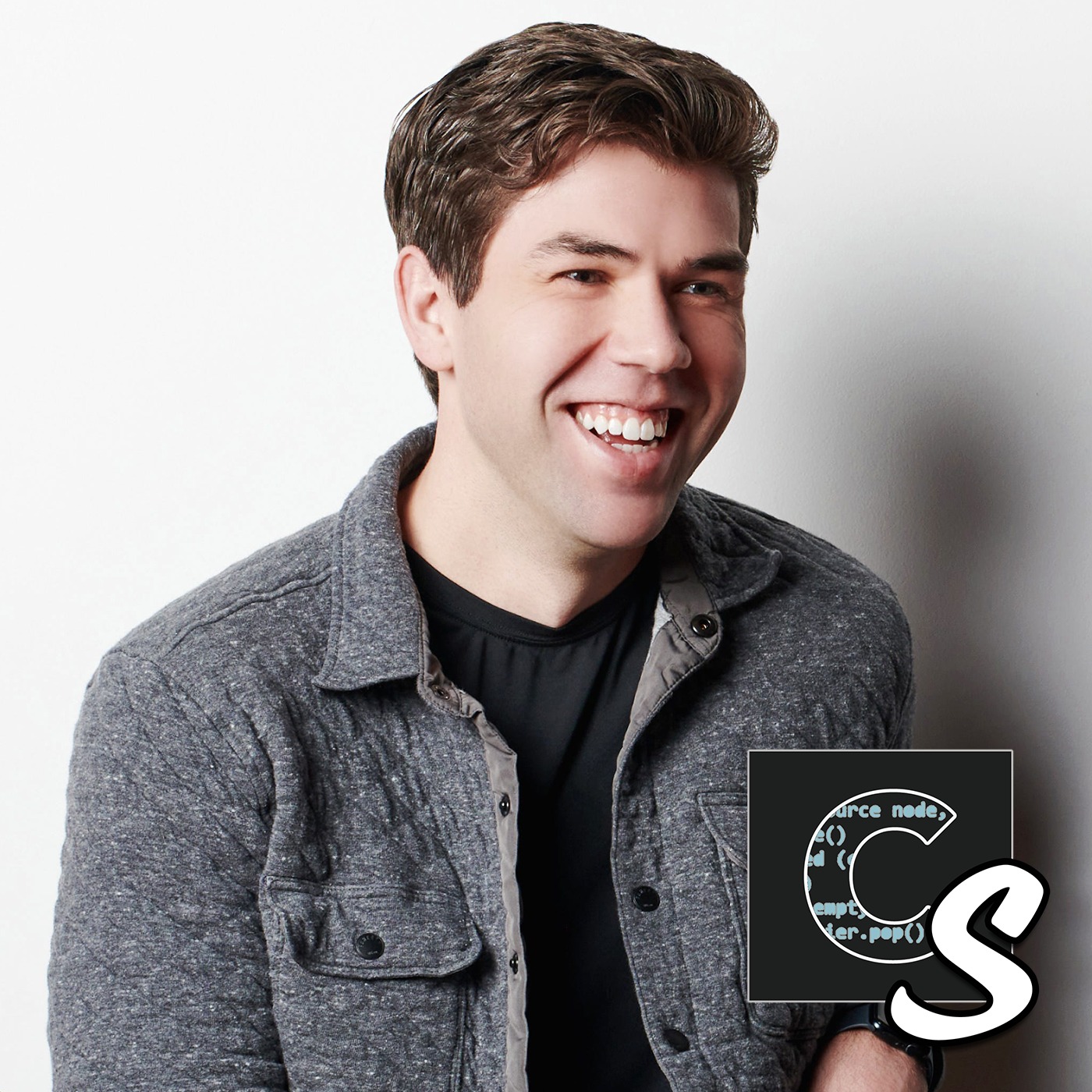
S13 E8: Democratizing Real Estate: Fractional Wealth Building for Modern Investors with Alex Blackwood, CEO of Mogul
In this episode
NEWS: Mogul Secures Oversubscribed $15.5M Series A Led by Draper Associates to Scale Its AI-Driven Real Estate Investing Platform
Alex Blackwood grew up in different areas of New Jersey and Connecticut. He had a transformational experience at boarding school in South Jersey, and eventually went to Georgetown on a rowing scholarship. Post college, he went to Goldman Sachs doing conventional investment banking, and eventually private equity. Outside of tech, he is married and loves to play and watch golf. He enjoys reading business books and science fiction. He notes that he can't do e-readers - he has to have the physical book in his hand, which helps his attention and retention.
In 2021, Alex bought his first single family rental after getting his real estate license. He notes that the process of buying this was pretty terrible, with 10+ different people scraping fees from the process. During his "garden time" - IE month off from investment banking - he put together a thesis and pitched his now co-founder, on a fractional ownership platform for real estate.
This is the creation story of Mogul.
Links
https://www.linkedin.com/in/alex-blackwood-a3996a135/
Current Sponsors:
Checkout our Stacklist! https://stacks.codestory.co/
Hosted by Noah Labhart | Technical Founder & Startup Mentor.
Our Sponsors:
* Check out Granola and use my code granola.ai/CODESTORY for a great deal: https://granola.ai
* Check out Perplexity and use my code pplx.ai/codestory for a great deal: https://www.perplexity.ai
Advertising Inquiries: https://redcircle.com/brands
Privacy & Opt-Out: https://redcircle.com/privacy
[SPEAKER_01]: Real Estate, it's an archaic system, the infrastructure in place. [SPEAKER_01]: Just isn't conducive to technology being on top of it. [SPEAKER_01]: It's kind of an oracle problem of translating between a real tangible asset and bringing it online for people to interact with it. [SPEAKER_01]: We realized that it had to be a custom-built software. [SPEAKER_01]: We did not realize how difficult it was. [SPEAKER_01]: The trade-offs that we had were, we know we wanted to build it. [SPEAKER_01]: We knew that it could start generating income or revenue [SPEAKER_01]: And we knew that after going to a few BC firms that we would have to have some sort of MDP that they could play around with and basically invest in a real-world asset.
[SPEAKER_01]: Hi, my name is Alex Blackwood, I'm the CEO and co-founder of Mobile.
[SPEAKER_03]: a podcast bringing you interviews with tech visionaries. [SPEAKER_03]: Six, six months moonlighting goes. [SPEAKER_03]: It's the last and all of the backgrounds who share what it takes to change an industry. [SPEAKER_00]: I don't exactly know what to do. [SPEAKER_03]: It doesn't go as to get right. [SPEAKER_04]: who built the teams that have their bad company is its team's help each other, which is proud of our team. [SPEAKER_03]: Keeping scalability top of mind, all that infrastructure was up there.
[SPEAKER_03]: Yes, we've been fighting it as we grew up. [SPEAKER_03]: Total waste of time. [SPEAKER_03]: The stories you don't read in the headlines. [SPEAKER_04]: It's not an easy thing to achieve. [SPEAKER_03]: To get yourself a deficit of off, try to begin to ride the ups and downs of the start-up line. [SPEAKER_03]: To really want it. [SPEAKER_03]: Not just about technology. [SPEAKER_03]: All this and more on code story. [SPEAKER_02]: I'm your host, Noah Labart. [SPEAKER_02]: And today, how Alex Blackwood created the investment platform built with bricks, so you can own a slice of income-producing properties.
[SPEAKER_02]: Alex Blackwood grew up in different areas of New Jersey and Connecticut. [SPEAKER_02]: He had a transformational experience at boarding school in South Jersey and eventually went to Georgetown on a rolling scholarship. [SPEAKER_02]: Post college who went to Goldman Sachs doing conventional investment banking and eventually private equity. [SPEAKER_02]: Outside of Tech, he is married and loves to play and watch golf. [SPEAKER_02]: Enjoys reading business books and science fiction. [SPEAKER_02]: And notes that he can't do e-rears.
[SPEAKER_02]: He has to have the physical book in his hand, which helps his attention and retention. [SPEAKER_02]: In 2021, Alex bought his first single-family rental after getting his real estate license. [SPEAKER_02]: He notes that the process of buying this was pretty terrible. [SPEAKER_02]: With 10 plus different people scraping fees from the process. [SPEAKER_02]: During his garden time, IE month off from investment banking, he put together a thesis and pitched his now co-founder on a fractional ownership platform for real estate.
[SPEAKER_02]: This is the creation story of Mogul.
[SPEAKER_01]: So tagline that we always use is we liken it to the Robinhood for real estate. [SPEAKER_01]: The idea being that you can buy shares in single-family rentals that are vetted by institutional professionals with a background in this. [SPEAKER_01]: And as a result of buying shares in a home, you get all the direct benefits of it, including rental income, monthly appreciation, real time, and tax benefits at your end. [SPEAKER_01]: So when someone comes to our website, mobile.com, they can just invest.
[SPEAKER_01]: in a property by as much as those they want, and it to headache three way of investing in real estate. [SPEAKER_01]: The origin story is I had bought my first single family rental back in like 20, 20, 20, 21, and basically when I did it, it was the worst process I've ever been apart. [SPEAKER_01]: And by that I mean, I had tried to do it as thoughtful as possible. [SPEAKER_01]: I got my Realtor's license in Texas, which, for those of you, it's 180 hours, of course, work across nine full exams.
[SPEAKER_01]: It's a pretty ridiculous thing to do, and I was juggling that in addition to investment banking hours of 100 hours plus in a week. [SPEAKER_01]: So pretty terrible. [SPEAKER_01]: And then not to mention to, I knew I wanted to buy a single family rental, because I knew [SPEAKER_01]: way to generate the largest amount of wealth in the most consistent manner. [SPEAKER_01]: And so the way that I looked at it was, let me buy this property and I'm going to just house that I can move out to Dallas for my job in the real estate group and I'm going to move from house to house and rent out all the properties and eventually my net worth would hopefully grow so much with the real estate that I wouldn't need a full-time job.
[SPEAKER_01]: Now, that's the way it started, but when I went through that first process, there were 10, 12 different people, and sticking out their hand and scraping fees for me for seemingly holding my money overnight, and I just thought this is absolutely ridiculous. [SPEAKER_01]: The amount of time it took me to buy the property, and not to mention the fees that I incur it along the way. [SPEAKER_01]: I thought there's got to be a better way than this, and actually had a month off. [SPEAKER_01]: in what's known as garden leaves between investment banking to private equity.
[SPEAKER_01]: And during that month, there's a structural reason behind it, but a lot of times people use it as a way to arrest for lacks for coup rate from a few years of investment banking. [SPEAKER_01]: I actually did none of that and actually wandered the streets of New York with a little black notebook writing down this thesis I had about how you can leverage fractional investing as a means to scale a massive platform. [SPEAKER_01]: and ultimately become the residential platform of choice where you're deploying products up and now the supply chain of real estate.
[SPEAKER_01]: So our goal is one day to become that $100 billion bus company trillion plus market at one day, but really at the end of that time of the month off of jotting this down, I thought it's great. [SPEAKER_01]: I got that out of my system, but it just kind of was eating away at me when I moved out to Dallas. [SPEAKER_01]: And when I met, I cove found her out there. [SPEAKER_01]: I was blown away by his background. [SPEAKER_01]: I had said, point me in the direction of whoever is the single-family rental master around here.
[SPEAKER_01]: So to speak, and I'd love to work with them. [SPEAKER_01]: They couldn't pronounce his name, so they forwarded me his email, and they said, go meet Joey Guma, I can't spell it. [SPEAKER_01]: Here's the email. [SPEAKER_01]: Ultimately, we started bonding and he had grown Goldman single family rental platform from zero to a billion and under 12 months of three to four individuals. [SPEAKER_01]: And when we were bonding about it, thank God he didn't call me crazy when I called him to meet me on a diner, pitched him on the idea, and here we are to that.
[SPEAKER_01]: Go forward then. [SPEAKER_02]: I'm curious about what the MVP process looked like for building mogles. [SPEAKER_02]: That first version of the product that you put together, how long to take to build and what sort of tools were you using to bring it to life? [SPEAKER_01]: So I don't have a technical experience in the traditional sense by any stretch of the imagination. [SPEAKER_01]: This was in the day's pre-vive code and pre-clod code. [SPEAKER_01]: And I think CAD blood code existed.
[SPEAKER_01]: It would have been actually a lot easier to stand this up. [SPEAKER_01]: So our first thought process was okay. [SPEAKER_01]: And I learned to code in under a week. [SPEAKER_01]: to jump into this, and I realized quickly that no, I could not, and also we were going to deal with a financial, so somewhat sensitive information of a platform, so we better get some professionals to do it. [SPEAKER_01]: Now, we could not afford to hire a full-time software engineer, of course, at this time, and so we decided what the best process would be was to price out a bunch of contracts to outsource, because we had the idea we just needed people to execute upon that idea.
[SPEAKER_01]: So, we priced out a bunch of contracts we ultimately went with an outsourced firm in India that we thought had the best reputation best behind this scene, working relationship with. [SPEAKER_01]: We priced it out and then basically, Joey and I co-financed it, we brought in some friends and family money into it. [SPEAKER_01]: And six months, when by, we were a day, we were moonlighting this alongside our day jobs, working from 5 a.m. until 9 a.m. going into the office, and then if we had time afterwards from 9 p.m. till midnight, working on it as well.
[SPEAKER_01]: And so six months went by, it was a pretty big struggle back then. [SPEAKER_01]: And... [SPEAKER_01]: Really, when Tim Draper came in and said, I want to leave your pre-seed round, we left and started this full time in 2022, I believe, it's like August of 2022. [SPEAKER_01]: So, all that to say, the MVP process with us was non-traditional. [SPEAKER_01]: I wish I had read a bunch of books of entrepreneurship, I wish I had understood what Webflow was, I wish I could have proven out the concept ahead of time, but we learned a tremendous amount throughout that journey and that MVP honestly it was a, I can go more into the launch around it, it was probably the most stressful few weeks that we had around the MVP of it.
[SPEAKER_02]: I want to stay on that for a minute, I'm curious about a decision or trade off you had to make in that process in how you approach the problem, right, and you know, I could hear, I can hear some in there around, you know, choosing to do, choosing to work with an outsourced vendor and not coding it yourself and things like that, but I'd leave it up to you to tell me what the core decision or trade off you had to make and how you coped with it. [SPEAKER_01]: When we were looking at the best way to go about doing this, we knew that we looked at a few different platforms out there that we could potentially leverage to build this software out.
[SPEAKER_01]: And we realized that to be honest with you, it didn't really exist in a plug-in play manner. [SPEAKER_01]: Real estate, it's an arcade system, the infrastructure in place. [SPEAKER_01]: Just isn't conducive to technology being on top of it. [SPEAKER_01]: It's kind of an oracle problem. [SPEAKER_01]: Translating between a real tangible asset and bringing it online for people to interact with it. [SPEAKER_01]: We realized that it had to be a custom built software. [SPEAKER_01]: Now, I wish I had read, Lean Startup before going about it, but my whole thought process was, it was coming out of that kind of 2020-2021 venture boom, where everyone seemingly could walk around and just get capital.
[SPEAKER_01]: Right. [SPEAKER_01]: It was one of those things where people could just say that these are my credentials. [SPEAKER_01]: I worked at Goldman Sachs and we'd expect a $5 million venture funding backing. [SPEAKER_01]: That was incredibly naive of us. [SPEAKER_01]: We did not realize how difficult it was. [SPEAKER_01]: I can go into the funding story a little bit more because there are some definite nuances there. [SPEAKER_01]: But the trade-offs that we had were we know we wanted to build it.
[SPEAKER_01]: We knew that it could start generating income or revenue. [SPEAKER_01]: from day one, and we knew that after going to a few VC firms that we would have to have some sort of MVP that they could play around with, and basically invest in a real-world asset. [SPEAKER_01]: And I will say, I think I had a very naive view of how to build out a platform initially. [SPEAKER_01]: My old thing was I was very into the aesthetic of it. [SPEAKER_01]: I built out literally the first iteration of the UIUX in the PowerPoint, because that's what we had done at Goldman.
[SPEAKER_01]: And I basically said this is how I want to structure it. [SPEAKER_01]: These are a few sites that I like that I think we could take things from. [SPEAKER_01]: I want to gamify it a little bit. [SPEAKER_01]: And basically came to a few different firms, they said that they could definitely do it, we looked at their track record, we looked at other things and other projects that they worked with and ultimately decided this was the firm that could at least get us to an MVP where we could list out our first asset or at least get signups in the door to prove out our initial concept to go get some venture funding behind it or at least use the wire frames.
[SPEAKER_01]: that we're building with them to build it out. [SPEAKER_01]: And so that was the initial concept because we're going to leverage this firm a tremendous amount, but we're going to bring that kind of vision, the real-world expertise into how to build this out, which came with some learnings, but at the same time looking back, it definitely proved out a lot for us around that turnout, say.
[SPEAKER_02]: So then go from that point, you've got your MVP created, you're hustling, you're getting some traction. [SPEAKER_02]: How have you progressed and matured the platform from that point? [SPEAKER_02]: I think to wrap that in a box a little bit when looking for how do you go about building your roadmap? [SPEAKER_02]: How do you how do you decide that okay this is the next most important thing to build or to address with Mogul? [SPEAKER_01]: How we first started out doing it, I had this preconceived notion of this is just got to work, right?
[SPEAKER_01]: It's this grandiose vision. [SPEAKER_01]: You think there's you've got overconfidence in yourself and I think that's what every entrepreneur has is this overconfidence. [SPEAKER_01]: And I thought that all we had to do was just start building it and things would come as a result of it. [SPEAKER_01]: Now, [SPEAKER_01]: I can talk about it a second when I wish I had read prior to starting this, but basically when we were building, I was like, we just have to make it so that people can buy into the properties at first and then we'll build out the rest of the components around it.
[SPEAKER_01]: We had properties the real estate for us was the easiest part, but the idea of an actual setup behind it would be the hardest part. [SPEAKER_01]: And so we were relying pretty heavily. [SPEAKER_01]: on this outsource team to build up the technical side and give us kind of those ETA, the timeline, etc. [SPEAKER_01]: So all of our funding was going towards this outsource group. [SPEAKER_01]: Now, when that happened, we were using some external vendors and stuff like that. [SPEAKER_01]: tons of learnings along the way, we're using payment providers, we learn pretty much everything about starting a company like this that you could possibly do through failing.
[SPEAKER_01]: We immediately thought that if we launched this site and there was a sign in with Google, people would sign up automatically, or we thought that ACH would be the most pressing thing. [SPEAKER_01]: We were actually right about the ACH or setting up an M&M meeting, but we just needed [SPEAKER_01]: When we boil the down after months of toil and we were like, we don't need the full platform, we just need the inception point. [SPEAKER_01]: We need the entrance point, we need something where we can actually launch properties and people can invest.
[SPEAKER_01]: Now, that then shifted a lot of our framework around. [SPEAKER_01]: and I would say that's like the initial thought process was like let's get to the first step and then when we take that first step, we'll worry about everything afterwards, right? [SPEAKER_01]: Because I had a broad road map, I still have that road map written down, but basically it's like equity investing fractionally, ultimately proceeds into a secondary exchange and then when you have the secondary exchange, assets enter your platform, it never has to leave your platform.
[SPEAKER_01]: And so that was the thought process. [SPEAKER_01]: Was then you can start to deploy products at scale up and down the supply chains. [SPEAKER_01]: We had the broad business fraud map, but we kept running into technical hurdles, whether it be payment providers rejecting us because at this point, there had been nine black swan events around crypto. [SPEAKER_01]: And we were technically blockchain-based, but we had no exposure to crypto. [SPEAKER_01]: There were some taboo around that, so we kept learning all these different things about not only business operations getting in the way, but what it meant for timelines, what it meant for launching an app, what it meant for actually getting funding to take it to that kind of next level.
[SPEAKER_01]: Looking back, I wish a, I had done this in a world of vibe-cutting, and b, I wish I had done it when being started, after I read, being started up. [SPEAKER_01]: I think after that first kind of sprint, to get the MVP stood up, I went back to the drawing board and said, I just don't understand how anyone does this, I don't understand how anyone progresses, I don't know, and understand how anyone builds a business like this. [SPEAKER_01]: And so I was searching for answers. [SPEAKER_01]: I was Googling a bunch of things and ultimately came to 10 to 20 books that people everywhere talk about as like the thing you need to do four startups right and it was like the lean startup method the zero to one.
[SPEAKER_01]: There was like an oval be a related one [SPEAKER_01]: the marketing related things there. [SPEAKER_01]: Probably 10 to 20 books that I read, that were all basically what we ended up shifting into. [SPEAKER_01]: And I realized that moving as fast as possible was necessary, you just needed to get out there and prove out a concept before anything else happened. [SPEAKER_01]: So we shifted away from I need the whole product to I just need something to prove out of thesis I had. [SPEAKER_01]: right.
[SPEAKER_01]: And so back in the day, I would have probably set up just a webflow where people could have signed up and then I proved out that these are similar to how Zappos, the founder started his shoe store by taking pictures of shoes in a physical store, listing them online and then going back and buying the shoes and selling and actually shipping them to the customer online. [SPEAKER_01]: Like, I wish we had gone about it in that way. [SPEAKER_01]: We didn't. [SPEAKER_01]: it bit us and let us to spin our wheels a little bit, but it all came with trials and tribulations and I largely attribute it to the fact that we were building in DC and been a silo almost that we were able to learn so much in such a short period of time because we weren't looking at how everyone else did it, we were trying to figure out the way that worked best for how we were going to do.
[SPEAKER_02]: I'm curious about team then, so how does you go about building your team and what you look for in those people to indicate that they are the winning horses to join you? [SPEAKER_01]: That was a massive learning curve. [SPEAKER_01]: We made some pretty big mistakes early on. [SPEAKER_01]: And so by that, I mean, when we first got some fun name when we first reached our seed round, we decided we have to bring the technology in-house, right? [SPEAKER_01]: And we needed to hire someone that was technical to actually start to progress this platform forward because what we had candidly was falling apart at the seams, I wanted to move quicker after reading all these books of how we moved quicker.
[SPEAKER_01]: And so ultimately, we decided that the first hire that we needed was someone technical. [SPEAKER_01]: Now, we went and we found someone with an incredible background. [SPEAKER_01]: They had been high up at a very reputable tech firm, like one of the top tech firms out there, and we were like, this is perfect. [SPEAKER_01]: This person can build out the platform, but we tested them through the interview process, and as a result of it, we hired them and they came in. [SPEAKER_01]: Now, [SPEAKER_01]: What we realized was we were hiring based on the prestige rather than what we needed in that moment.
[SPEAKER_01]: And what ended up happening was we received someone that was very senior at another tech firm that hadn't really touched code as much. [SPEAKER_01]: And as a result of which, [SPEAKER_01]: We realized quickly that they weren't the person that we were going to grow out the platform with. [SPEAKER_01]: And it actually came all to a screeching halt at our launch party, which was a funeral for the monopoly. [SPEAKER_01]: And basically I can go into that story that was quite a harrowing turn of events around there, but [SPEAKER_01]: Then we also hired out on the mark inside.
[SPEAKER_01]: We knew we needed someone to get the word out. [SPEAKER_01]: I didn't really have a marking background. [SPEAKER_01]: Ultimately, it came down to just who could you trust, who could you grow this platform with? [SPEAKER_01]: And we realized we made some mistakes in the early hires. [SPEAKER_01]: So [SPEAKER_01]: Unfortunately, we had to part ways, and the person that we brought in to lead our technology efforts was probably the best hire we made right out the gate, and I had actually looked at LinkedIn and went through every single engineer in the DC DMV area, and basically said, [SPEAKER_01]: who as a top background, who as exactly were looking for, and actually cold-linked in DM, who would ultimately become our CTO.
[SPEAKER_01]: When he joined, Claude Cod was in a thin vibe code and was not a thin cursor and none of that. [SPEAKER_01]: And he told us that this platform, that we had struggled to build for two years, he could rebuild the entire thin to the Figma designs that I'd created in a matter of a month. [SPEAKER_01]: And I told him that's absolutely no way that happened. [SPEAKER_01]: but go for it. [SPEAKER_01]: Sure enough, month goes by, he builds it, it moves seamlessly. [SPEAKER_01]: And this thing looks beautiful, we start launching platform assets and all of a sudden I'm asking him things and start to realize, oh, you can iterate pretty quickly within tech.
[SPEAKER_01]: You can do a quick AB test, you can change this matter the other one previously we would have to go to the firm that was outsourced and asked him like, hey, could you do this? [SPEAKER_01]: Can you do that? [SPEAKER_01]: And you wait [SPEAKER_01]: and they'd go through a whole process whereby now we're moving at the speed of light, shipping, product, feature updates, pretty much daily at that early stage. [SPEAKER_01]: And that's what really, really conceptualized in us the fact that A, we need to move as fast as evenly possible, and we need to leverage data wherever possible to prove out this thesis that we had.
[SPEAKER_01]: and there are ways to do it quickly, there's ways to do it in the longer term periods and so that first thought that I would say third higher but real first true higher that is now with us to the today and actually became our CTO was such an eye-opening revelation for us that we need to hire people for the seat [SPEAKER_01]: rather than caring about any sort of presti. [SPEAKER_01]: You can use presti, maybe as an indicator, you can use it as a way to quickly sift through candidates that at one point or another they were out of presti just X, Y, or Z, or they have experience building X, Y, or Z. [SPEAKER_01]: But we realized quickly that you have to hire for the skill set and what you actually deem necessary.
[SPEAKER_01]: And everything else is just kind of noise, right?
[SPEAKER_02]: let's move into scale. [SPEAKER_02]: I'm curious about how you approached scale from the early days and and to now and have there been interesting areas where you've had to fight scale as you've grown and scale could be technology, it could be people, it could be all the things, really where the best stories are. [SPEAKER_01]: The reason that a startup fails really is one of three reasons. [SPEAKER_01]: Either A, they don't have enough capital, B, they, the co-founders break up, there's a tear in the company, amongst the vision, or C, you can't scale the platform out and it grows too prematurely.
[SPEAKER_01]: Now, in the first one, we're cashflow positives since beginning of the year, so... [SPEAKER_01]: that's not or he thank God. [SPEAKER_01]: The second one is around the co-founder's breaking up. [SPEAKER_01]: He was the co-best man at my wedding. [SPEAKER_01]: I'm going to be the co-best man at his wedding, so thank God we don't have that issue too. [SPEAKER_01]: The third one is that platform bit that you just talked about. [SPEAKER_01]: And that's the one that is constantly being questioned.
[SPEAKER_01]: in the next 30, 60, 90 days or year, what are things that are going to intact the growth that we've seen? [SPEAKER_01]: Last year, grew by about 14 at times. [SPEAKER_01]: This year, we're on 5 to 6x that. [SPEAKER_01]: So along the way, there were different mandates that we implemented right where it's like, okay, the next quarter we expect this to happen or the next. [SPEAKER_01]: Half a year, we expect another thing to happen like this. [SPEAKER_01]: Now, you put in place a bandaid and then you realize, okay, is that bandaid doing enough?
[SPEAKER_01]: Or do you need to make it more of a system that operates autonomously so that way you can go back to building more on top of that infrastructure? [SPEAKER_01]: So we've been very conscious and cognizant about the fact that there are things that we're doing today that won't be the way that we do it eventually. [SPEAKER_01]: But the idea is to continue that growth along the path, right? [SPEAKER_01]: And so we've hired individuals that have implemented tremendous amounts of AI up and down the operating system for us.
[SPEAKER_01]: And it's getting to the point now where we're starting to hire out more individuals like... [SPEAKER_01]: We're hiring out a bunch of software engineers right now, hiring out a few different people here and there, that can basically leverage the infrastructure that we've built today and have a watchful eye over that infrastructure to make sure everything progresses seamlessly. [SPEAKER_01]: So as for things that have broken in the past, and there's obviously the scaling problem, right?
[SPEAKER_01]: If you match supply with demand, especially in this style of business, and sometimes we have supply leading, sometimes we have demand leading. [SPEAKER_01]: Now we're starting to realize that demand [SPEAKER_01]: is a little bit more flexible. [SPEAKER_01]: So as a result, we've just got to make sure we've got enough supply to match the forecast name of the demand. [SPEAKER_01]: And so that right now is a problem that we're working through, but we've worked through pretty well. [SPEAKER_01]: And we do have now some pretty incredible forward supply to match up with that demand.
[SPEAKER_01]: And so all that to say, it didn't break all the time. [SPEAKER_01]: It's crazy because you tell people how your business is doing and people ask a different VCs, whatever it might be. [SPEAKER_01]: and they keep saying, oh my God, this is incredible. [SPEAKER_01]: This is the growth is absolutely insane. [SPEAKER_01]: You all, I'm basing the worst problems that we face every day, so I don't necessarily see that. [SPEAKER_01]: I see the problem that I have to solve this week that is going to bring this to us preaching.
[SPEAKER_01]: Obviously, that's ridiculous. [SPEAKER_01]: It won't come to us for your job, but you get the thesis behind it. [SPEAKER_01]: So, I don't know what to do. [SPEAKER_01]: It's just really making sure that my self as CEO is like chief problem solver, almost, making sure that every single week I'm tackling the hardest problem that we have and almost working as a kind of jack of all trades where I come in each different division to basically work. [SPEAKER_01]: with them to solve that issue outright.
[SPEAKER_01]: So right now, for instance, we're hiring out nine people. [SPEAKER_01]: I'm looking at ways to make that system more efficient. [SPEAKER_01]: I've taken on the hiring initiative on top of it. [SPEAKER_01]: So it's like basically taking things that don't have a process yet that need to be made into a process, but approaching it with the lean startup method of, hey, this is a way to solve it for the next week. [SPEAKER_01]: If that works, then I've got to make it more of a system to make it almost automated, so I don't have to be as hands-on every time I run through this.
[SPEAKER_01]: Alex, as you step out on the balcony, do you look across all that you built thus far? [SPEAKER_01]: Mobile, what do you most proud of? [SPEAKER_01]: I reflect on the business, I reflect on our initiatives, I reflect on all the data that is streaming at me constantly, but reflecting on the progress, the milestones, all that stuff of the company, like as an entrepreneur, as I'm sure you're very familiar with, it's like, this is probably actually the first time I've been reflecting on the milestones.
[SPEAKER_01]: There's obviously different milestones here and there, but I think it's really just the fact that we're here. [SPEAKER_01]: And I know that's a weird answer to say, but the fact that we're here, the fact that we're growing so quickly is something I'm immensely proud of because I think that it's all the people and the team members that resulted in why we're here, right? [SPEAKER_01]: And so I think that [SPEAKER_01]: Everyone talks about entrepreneurship and everyone talks about, this is what this is, what how to approach this problem or that problem.
[SPEAKER_01]: And I think entrepreneurs as a whole don't give credit to the luck that precedes them, or the reason why they're successful is to look around the different things that happen right, if you hadn't come into work that day or if you hadn't taken that coffee chat that would have led you to the person that ultimately backed you. [SPEAKER_01]: And so I think when I look back at the company that we've built, I think it's really just the person of the earth between the entire team. [SPEAKER_01]: Right, we've been there since the inception.
[SPEAKER_01]: We've been growing this from zero to one. [SPEAKER_01]: The team itself has always been growing through tremendous amounts of hurdle. [SPEAKER_01]: We faced nine black swan events. [SPEAKER_01]: We weren't taking a salary when we first started out. [SPEAKER_01]: And [SPEAKER_01]: we were down to our last cent, but they were figuratively and literally in the early days, but how you persevere through that, basically survival is the name of the game. [SPEAKER_01]: And then the luck takes a hold, right?
[SPEAKER_01]: If you survive and try out a million different things at once or sequentially or however you want to approach it, [SPEAKER_01]: But not just try it out, but use almost the scientific method and how you approach things, then ultimately, luck should find you. [SPEAKER_01]: Right, we always talk about that every time we've raised a venture round, it's been immediately following a personal tragedy, whether it's obviously terrible, but I tore ligaments my ankle, we closed our seed route.
[SPEAKER_01]: My co-founder, [SPEAKER_01]: dash is head by accident and we closed the seat extension round that was over subscribed and you need to make sure that iteration that works you have in place the indicators that are pushing you to double down on that strategy. [SPEAKER_01]: So I think what I'm most proud of is just Earth's appearance through it all and the fact that we have been to now that point where [SPEAKER_01]: Things are looking incredibly well. [SPEAKER_01]: We found systems that work, but now how do we double down on and how would we get back to it?
[SPEAKER_01]: But I'm proud of the team, I'm proud of the fact that they saw the entire playing field and realized that, yes, it is a struggle, but we've just got to keep [SPEAKER_01]: Every test that we face, we've got to test it and approach it as just that, a failure and a learning that we can drive some sort of insight. [SPEAKER_01]: We've tried every marketing strategy, we've tried everything on the supply side, and now we finally understand it because we find repeatable processes that works.
[SPEAKER_01]: I think it's really just that is leveraging data to drive insight, but doing it in a way that persevering through, I would say, like, probably the most
[SPEAKER_01]: Okay, let's flip the script a little bit, Alex, tell me about a mistake you made, and how have you and your team responded to it? [SPEAKER_01]: All right, this is a little bit of a dark one, not dark, I would say, but it's basically we ended up hiring someone for one of our verticals that ultimately, it just didn't work out, right? [SPEAKER_01]: And it was like pretty recent, I can last a year or so. [SPEAKER_01]: And can it lead, we thought, okay, this person's very capable, the wish they were and they were incredibly capable.
[SPEAKER_01]: It just so happens that we thought, oh, we can teach this person to be like us, right? [SPEAKER_01]: It was a four-higher that we were dealing with. [SPEAKER_01]: We had our CTO now, but we had the COO, my pro-founder, and then we had me, right? [SPEAKER_01]: And so we thought, okay, we just need to solve the marketing side of the equation and we're good. [SPEAKER_01]: And so we thought we could bring in this individual and they would be exactly like us and learn how to grow assist.
[SPEAKER_01]: And unfortunately, we put him in a near impossible predicament because we were basically asking him to grow something from zero to one, right? [SPEAKER_01]: And at the end of the day, the initial hires that you're looking for are the people that have to understand not only what the system is you're looking to build, but they also have to create their own system and own infrastructure. [SPEAKER_01]: and I would say if they were still with us today like they'd be great in terms of another role that they might have at the company, whether if you like on the sales side or whatever it might be, but unfortunately they just weren't that person to grow out a marketing vertical around.
[SPEAKER_01]: And so when that happened it was we ultimately had tremendous amount of time and we gave it a tremendous amount of leeway because we didn't want [SPEAKER_01]: to basically the conflict itself, right? [SPEAKER_01]: You didn't want the conflict that will come in and be like, all right, we're a four person team now. [SPEAKER_01]: We're going to go back down to a three person team. [SPEAKER_01]: And so the conflict itself was very stressful, but also on top of that, we didn't know what we would do if we were to let go of this person.
[SPEAKER_01]: But ultimately, who is the best for them, they were incredibly capable. [SPEAKER_01]: It just wasn't the right seat, I would say. [SPEAKER_01]: And so, when that happened, we made a very conscious decision of, okay, we just closed out a seed extension round. [SPEAKER_01]: We have money to play with in the paid ad space, but we need a system in place. [SPEAKER_01]: I don't want to launch anything without being able to track to the near scent what that dollar does to our revenue. [SPEAKER_01]: And so, as a result, I basically said, let me take a swing out, let me take over the marketing vertical, and then once I get it stood up and understand what it is we need to do, then all bring someone in, once the system's like near there.
[SPEAKER_01]: And so, from there, took a month and basically told my, both joy and my co-founder and CTO, give me one month to figure out what the hell this is or what the hell it'll look like. [SPEAKER_01]: and I will come back to you and we'll start paid ads and we will grow. [SPEAKER_01]: And so, in under a month, I had no background, no technical background, whatsoever. [SPEAKER_01]: But basically, when down a bunch of different rabbit holes, oh, am I going to build this in-house, am I going to build this by self, by coding, become a massive thing, should I do that?
[SPEAKER_01]: And I had never even heard of what a data warehouse was. [SPEAKER_01]: I had never even heard about anything around like a data lake, whatever it might be. [SPEAKER_01]: And all of a sudden, I was then forced to learn what snowflake was. [SPEAKER_01]: I was forced to learn what sequel was. [SPEAKER_01]: I was forced to learn a bunch of things that were so out of my wheelhouse, but I'm so fortunate for because ultimately we stood up in an entire massive. [SPEAKER_01]: data infrastructure that has led us to the growth that we are today.
[SPEAKER_01]: So in that August month, I took that month and I'm proud to say that by the end of August, we had launched paid ads with Google and now we're incredibly profitable on Google. [SPEAKER_01]: And the reason being, we have tracking outside of just their systems we're tracking on our side about what paid ad verticals work, what does it's important. [SPEAKER_01]: And what this ultimately led me to believe is, A, it taught me a great lesson about who we hire, and why we hire, and what we're looking for in a person that is hiring.
[SPEAKER_01]: And B, if that person that we are hiring for that individual role, is that role something that... [SPEAKER_01]: is building something from zero to one, and if so, that requires a whole different skill set. [SPEAKER_01]: And then, see, I realized I hate console. [SPEAKER_01]: It's kind of hellish. [SPEAKER_01]: That was kind of the last thing that I realized, which is we had been paying its old den's multiple times over, because at the end of the day, [SPEAKER_01]: We were so spread then that we wanted to learn from people that understood how to do it best, what to do.
[SPEAKER_01]: But then you think, okay, some consultant knows a ton about XYZ. [SPEAKER_01]: And then you realize, that's XYZ generically, but it's not XYZ related to my company. [SPEAKER_01]: And so as a result, it actually, that learning curve of taking a month and learning what else no
[SPEAKER_01]: Yeah, it was a month of time, but at the end of the day now, I'm tremendously grateful that I took that time to learn it all. [SPEAKER_01]: rather than hire out a consultant because now I understand where the data is, the team understands where it comes from, and I'm able to build on top of it in pretty rapid fashion to the point where if anyone wants any data point, we can provide it within five minutes of the masking. [SPEAKER_01]: And so all that to say, building internally is something that I believe entirely about.
[SPEAKER_01]: We haven't really hired external consultants as a result, and it's helped us tremendously.
[SPEAKER_02]: Okay Alice, let's move into the future then tell me what the future looks like for mobile. [SPEAKER_02]: Or where the industry is going for technology for all the things. [SPEAKER_01]: future for Mogul, I've never been more bullish on the future for Mogul and the reason being we keep growing at this level that we've been growing at this 5-6-X year over year 14-0 times last year and so really we are starting to activate on our product roadmap right we've worked into the different facets of the supply chain of real estate working through transactional layers, title insurance, whatever it might be.
[SPEAKER_01]: And so, as a result, in 10 years time, I tell our team if all we are is a fractional investing platform, we will fail tremendously. [SPEAKER_01]: We're going to be a hundred billion dollar plus company in 10 years, and then from there, the trillion dollar market gap, because if you think about it, all the industries that venture capital talks about as potentially minting a trillion dollar company, [SPEAKER_01]: are going to be there's a few right you've got obviously quantum AI space biotech is a big one and real estate is always mentioned as part of that conversation however no one knows what it's going to look like I believe it's going to look like how we're building it which is fractional investing as a means to scale and then once you have that starting to deploy products so when people think of real estate they think of mogul [SPEAKER_01]: And so that's our end vision is in 10 years we will be the main work that is associated with residential real estate throughout the US and we're growing at such an incredible rate and we have such an incredible team of individuals that are able to get there and care so much about the product.
[SPEAKER_01]: and the intentionality behind it. [SPEAKER_01]: Now, if you look at what happened over the industry over the last little bit within the real estate industry, their every single industry suffers from this. [SPEAKER_01]: A novel concept comes about that ultimately gets done in the wrong manner that leaves a bad taste in everyone's mouth. [SPEAKER_01]: And then from there, it leads to a quality player coming it. [SPEAKER_01]: And so, [SPEAKER_01]: Say what you will about Facebook. [SPEAKER_01]: If you look at my space, it first came in, identify to you a novel way of connecting online.
[SPEAKER_01]: However, they didn't do it in a way that people cared about enough and provided enough of a quality service. [SPEAKER_01]: And so, when Facebook first allowed, obviously, its intentions were pure about connecting people. [SPEAKER_01]: And so that really took a hold, right? [SPEAKER_01]: You actually had a quality player that came to space. [SPEAKER_01]: So we might not be the first in the space, [SPEAKER_01]: that a lot of the companies that we started out with have quickly been cold from the herd.
[SPEAKER_01]: And the companies that when we were pitching to VC firms early on about, hey, we're better than this company and they ask, why aren't you, why aren't you this company, why aren't you doing what they're doing, we said that's not the way to go about it. [SPEAKER_01]: Ultimately those companies are no longer with us and our way of doing things intentional quality assets making sure that these assets are things that we ourselves would invest and hell I'm invested in every property alongside my co-founder.
[SPEAKER_01]: So it's understanding what is the customer want, where are we going from here and the intentionality that we have about it is unrivaled in the real estate industry.
[SPEAKER_02]: I want to move into a question I had around. [SPEAKER_02]: Some of the recent investments that Mogul has made and recently you've purchased a pretty significantly price to domain, Mogul.com. [SPEAKER_02]: Can you tell me about the logic behind that and what that shows for the company and the product? [SPEAKER_01]: When I talk about mogul, I always talk about how we are value investors at the end of the day. [SPEAKER_01]: You've got real estate that comes online and that's highly attractive.
[SPEAKER_01]: There return relative to the risk that you're taking on. [SPEAKER_01]: And so when we looked at Domaine's back in the day, we thought there's no way we're going to buy mogul with our common right. [SPEAKER_01]: It was priced at 4 million. [SPEAKER_01]: It was asking however, ultimately we were able to get it for about 1.3, which was incredibly exciting. [SPEAKER_01]: Now, [SPEAKER_01]: Obviously, this decision was not made without some sort of ROI analysis as being financial acumen and in the background, and so we built out a few different modeling scenarios about what it would look like with and withoutmobile.com, and even though it was a greater percentage of our budget today, the cumulative advantages of having it over the next few years is just going to read some legitimacy into the brand itself.
[SPEAKER_01]: out to mention to when you think about mobile.com, it really points to the evolution of the platform, right? [SPEAKER_01]: I tell this to my team all the time. [SPEAKER_01]: If all we are is a fractional investing platform in 10 years time, we will build tremendously. [SPEAKER_01]: Our goal is to be the one word you think of when you think of residential real estate. [SPEAKER_01]: And that starts today with mobile.com because mobile.club for us
[SPEAKER_01]: It was a way to get here. [SPEAKER_01]: We even had mobile.au at one point. [SPEAKER_01]: We had invest in mobile.com at one point. [SPEAKER_01]: But really, mobile.com is synonymous with that next step in our company's journey. [SPEAKER_01]: Let's wish you Alex, who influences the way that you work? [SPEAKER_01]: Name a person or many persons or something you look up to and why. [SPEAKER_01]: One of the things that I love is reading biographies. [SPEAKER_01]: I'm like a massive, Walter Isaacson fan, right?
[SPEAKER_01]: And so I've read everything, right? [SPEAKER_01]: Like the must, the jobs, biography. [SPEAKER_01]: And I don't know if it's necessarily an individual that inspires me more so of a collection of individuals and how people handle different interactions, right? [SPEAKER_01]: I love. [SPEAKER_01]: the idea like the and it's maybe it's looking up to them maybe it's looking up to the ways in which they go about it. [SPEAKER_01]: I think humans are inherently brought with a number of different faces so it's not that I necessarily care for all the faces.
[SPEAKER_01]: I just care about some of the faces within the certain individual. [SPEAKER_01]: So obviously people talk about Steve Jobs and his approach to making things perfect. [SPEAKER_01]: I love that idea. [SPEAKER_01]: I love about thinking about the intuitive nature about it. [SPEAKER_01]: I always
[SPEAKER_01]: That little topic they talk about in the Walter Isaacson book about how an iPod or iPod was brought to the middle of Africa by a journalist and a kid who had no connection to the Wi-Fi or internet ever was able to intuitively swipe on this iPad and understand exactly how to use it. [SPEAKER_01]: And so I always point to that when it comes to product design. [SPEAKER_01]: Now in terms of the first principle, thank you. [SPEAKER_01]: I had a greatest ad and we kept behind you as Elon Musk, right?
[SPEAKER_01]: And the way that he approaches things. [SPEAKER_01]: And that's not to say that we have to necessarily approach things and like the physics matter, which we obviously always have to adhere to. [SPEAKER_01]: But in the problem solving, right? [SPEAKER_01]: It's never a... [SPEAKER_01]: This is always the way it's been done, so we have to do it this way. [SPEAKER_01]: It's about approaching it in a way that's very intentional. [SPEAKER_01]: Understanding what it is you're actually trying to solve, and what is that problem that's at hand.
[SPEAKER_01]: So I love that about him. [SPEAKER_01]: I also love the curiosity that comes, and this is all just my favorite Isaacson books. [SPEAKER_01]: The Leonardo da Vinci I quoted in all of our job postings. [SPEAKER_01]: If Leonardo da Vinci was judged on sheer number of paintings, versus the quality of the paintings, he would have been the worst painter of all time. [SPEAKER_01]: And so I always talk about do things with intentionality, do things with quality. [SPEAKER_01]: We don't have to do everything, but we have to do what we do damn well.
[SPEAKER_01]: And so I love those three as for like the teething factor, so to speak. [SPEAKER_01]: But those are just a few that I really find to have grown. [SPEAKER_01]: Bear company is efficiently the way in which they go about the intentionality behind it. [SPEAKER_01]: Now does that mean I agree with everything that is said by all those individuals? [SPEAKER_01]: No. [SPEAKER_01]: But there are things that I definitely appreciate about all those individuals and the way they go about it. [SPEAKER_01]: And just that rigorous attacking of a problem and using that as the driving force rather than just pure capital.
[SPEAKER_02]: Okay, I'll have a last question. [SPEAKER_02]: So you're getting on a plane. [SPEAKER_02]: You're sitting next to a young entrepreneur who's built the next big thing. [SPEAKER_02]: They're jazzed about it. [SPEAKER_02]: They can't wait to show it off to the world. [SPEAKER_02]: Can't wait to show it off to you, right there on a plane. [SPEAKER_02]: What did Byasty give that person having gone down this road a bit? [SPEAKER_01]: take lessons from everyone, but don't take it as Bible.
[SPEAKER_01]: You go on LinkedIn, you see all these hustle stories about it. [SPEAKER_01]: Oh, I slept in the office and you think you've got to sleep in the office. [SPEAKER_01]: That's just not true, right? [SPEAKER_01]: Like everyone's talking about how now sleep is basically like a steroid and a performance enhancement drug. [SPEAKER_01]: And so, you know, necessarily need to sleep in the office. [SPEAKER_01]: And if so, I always was comparing myself against other individuals. [SPEAKER_01]: And the minute I
[SPEAKER_01]: I wasn't solving any problems before, I was just creating more problems because I was creating more paths to go down because I thought that those were the paths we had to go down because other individuals had gone down that path. [SPEAKER_01]: So I think when it comes to building out a company, it's stick with your gut, but at the end of the day know that [SPEAKER_01]: There are times when you're wrong and be willing to flip on a dime, but leverage data to make that decision. [SPEAKER_01]: So, those are the things it will be.
[SPEAKER_01]: Effing hard for lack of better term. [SPEAKER_01]: It's going to test you. [SPEAKER_01]: It's going to break you. [SPEAKER_01]: But it's really a binary outcome, right? [SPEAKER_01]: Did you get that funding reason out? [SPEAKER_01]: You talked to a thousand people. [SPEAKER_01]: Did one of them say yes? [SPEAKER_01]: That's enough. [SPEAKER_01]: Like, it's the binary
[SPEAKER_01]: that you are going to build something you can take inspiration from other companies, but it won't necessarily be the exact same path to success that another company might have enjoyed. [SPEAKER_02]: But it's absolutely fantastic advice. [SPEAKER_02]: Well, it's thank you for being on the show today. [SPEAKER_01]: Thank you for telling the creation story of Mobile. [SPEAKER_01]: Well, thanks so much for having me know.
[SPEAKER_02]: And this concludes another chapter of Coat Story.
[SPEAKER_02]: code story is hosted and produced by Noah Labhart. [SPEAKER_02]: Be sure to subscribe on Apple Podcasts, Spotify or the podcasting app at your choice. [SPEAKER_02]: And when you get a chance, leave us a review. [SPEAKER_02]: Both things help us out tremendously.
[SPEAKER_02]: And thanks again for listening.
Latest Season of the Podcast is Sponsored By








 Apple Podcasts
 Spotify
 Castbox
 Player FM
 Pocket Casts
 YouTube
 Overcast
 Castro
 Goodpods
 Moon FM
 Podbean
 Podcast Addict
 Podcast Republic