S13 Bonus: From Lab to Market: Scaling High-Growth Tech Startups with Caitlinn McMinn, Programs Director at TechFW
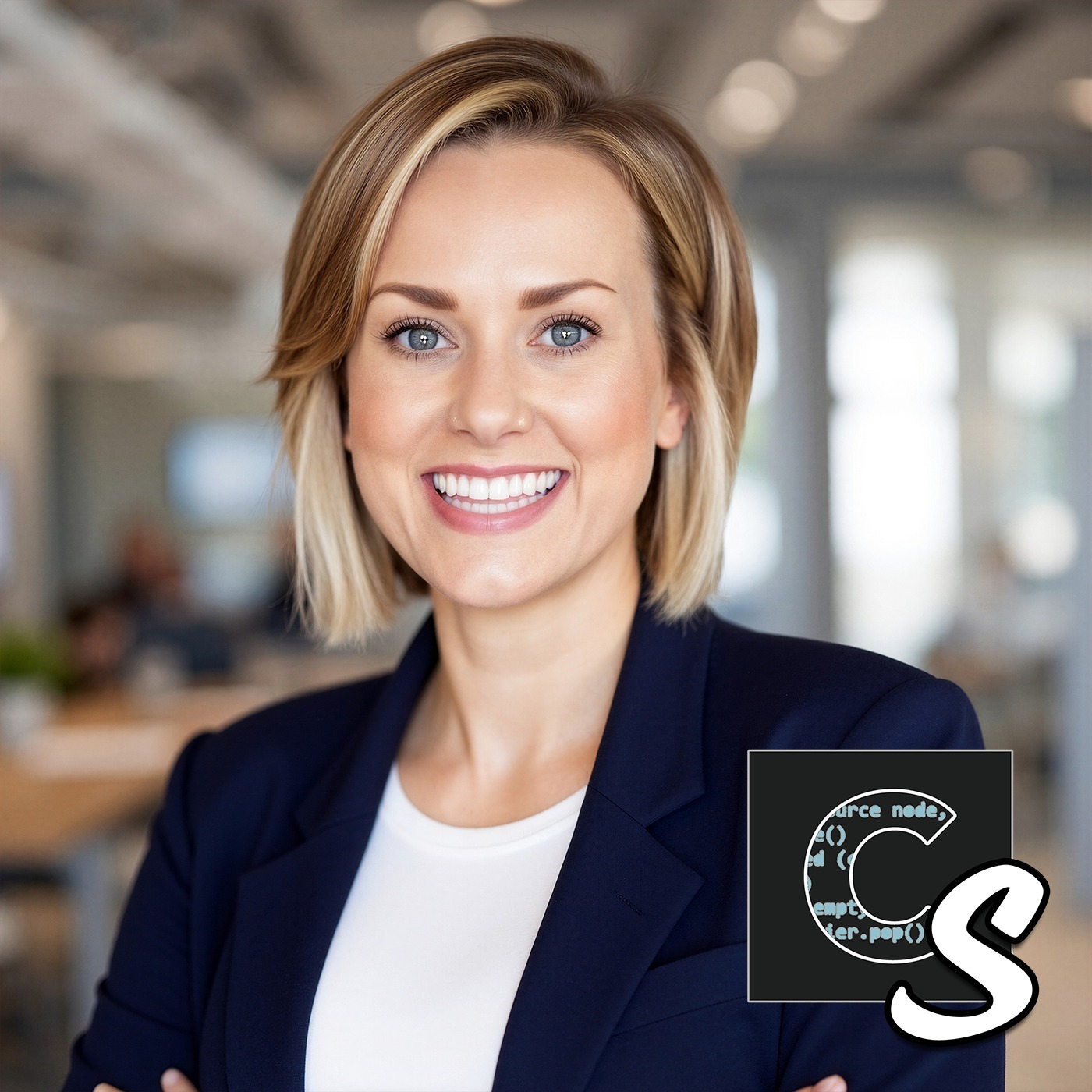
Today, we have a special episode of the Code Story podcast. Joining us today is Caitlinn McMinn, Executive Director at TechFW. TechFW is a nonprofit startup incubator in Fort Worth, TX. The group is here to prove that the next generation of world-changing companies begins right in the heart of Cowtown. In our conversation today, Caitlinn is going to elaborate on the incubators story and model, illuminating how the team supports local entrepreneurs through opportunity and community.
Questions:
- TechFW operates on a 100% equity-free model for founders. In an incubator landscape where equity stakes are standard, why is retaining equity so vital for early-stage tech founders, and how does that alter the relationship between TechFW and its entrepreneurs?
- TechFW has been fostering innovation in North Texas since 1998. Looking back over more than two decades, how has the Fort Worth startup landscape evolved, and what core principles have allowed TechFW to remain a constant anchor for local founders?
- People talk about 'entrepreneurial ecosystems' all the time, but what does a thriving ecosystem actually look like on the ground in a city like Fort Worth, and what is its most fragile component?
- TechFW recently partnered with Texas Woman’s University to launch ThinkLab OnDemand, alongside close ties with local institutions like UNT Health Science Center and Texas A&M Fort Worth. How do university partnerships feed the innovation pipeline, and what advice do you have for regions trying to bridge academia and entrepreneurship?
- Through Cowtown Angels, TechFW bridges early-stage founders with local angel investors. How do you cultivate an angel investor community that is willing to back early-stage, high-risk tech ventures right here in North Texas?
- Through ThinkLab, you help founders test viability early. What is the single biggest misconception first-time founders have when transitioning an idea into a validated business model?
- Startups often move fast and break things, but scaling on top of weak processes can be fatal. In the FastForward program, how do you help founders balance aggressive growth with operational rigor?
- Founder isolation is real. How does TechFW build peer-to-peer community so founders don't feel like they're navigating the journey entirely alone?
- Your career spans finance, sales enablement, HR systems, and operations consulting before stepping into the Executive Director role at TechFW. How does having that 360-degree operational background shape how you diagnose what a startup actually needs versus what they think they need?
- Running an innovation hub requires balancing the needs of founders, community donors, corporate sponsors, and board members. How do you keep 'founder-first' as the North Star while managing those stakeholder dynamics?
- Fort Worth and the broader DFW metroplex are seeing massive economic growth. What unique advantages does Fort Worth offer tech startups compared to traditional hubs like Silicon Valley or Austin?
- As technology evolves rapidly—from AI to biotech and manufacturing—how is TechFW expanding access so underrepresented founders and non-traditional entrepreneurs can participate in the tech economy?
- If an ecosystem builder or civic leader in another mid-sized city was listening today and wanted to spark a tech community from scratch, what is the very first step they should take?
Links
https://www.techfortworth.org/
https://www.linkedin.com/in/caitlin-mcminn/
Current Sponsors:
Checkout our Stacklist! https://stacks.codestory.co/
Hosted by Noah Labhart | Technical Founder & Startup Mentor.
Our Sponsors:
* Check out Granola and use my code granola.ai/CODESTORY for a great deal: https://granola.ai
* Check out Perplexity and use my code pplx.ai/codestory for a great deal: https://www.perplexity.ai
Advertising Inquiries: https://redcircle.com/brands
Privacy & Opt-Out: https://redcircle.com/privacy
[SPEAKER_00]: Hello listeners. [SPEAKER_00]: Today we have a special episode of the Code Story podcast. [SPEAKER_00]: Joining us today is Caitlin McMahon, Executive Director at Tech Fort Worth. [SPEAKER_00]: Tech Fort Worth is a nonprofit startup incubator in Fort Worth, Texas. [SPEAKER_00]: The group is here to prove that the next generation of world-changing companies begins right in the heart of countdown. [SPEAKER_00]: In our conversation today, Caitlyn is going to elaborate on the incubator's story and model, illuminating how the team supports local entrepreneurs through opportunity and community.
[SPEAKER_00]: Caitlyn, thank you for being on the show today. [SPEAKER_00]: Thanks for joining code story. [SPEAKER_01]: Yeah, thanks for having me, Noah. [SPEAKER_00]: Absolutely, really excited to dive into Tech Fort Worth. [SPEAKER_00]: The story here, Fort Worth has a very special place in my heart, growing up just south of Fort Worth in Joshua, and I love to spend time in Fort Worth, and I've observed Tech Fort Worth for years now. [SPEAKER_00]: And so excited to dive into it. [SPEAKER_00]: Before we do, I'd love to learn a little bit more about you.
[SPEAKER_00]: So tell me a bit and tell me in my audience a bit more about you. [SPEAKER_01]: So I grew up in Keller, graduated from Keller High School. [SPEAKER_01]: and contained a love being part of this community. [SPEAKER_01]: I remember when the stockyards was truly just an old Western. [SPEAKER_01]: And so it's crazy to see what it's become now. [SPEAKER_01]: But my background is heavy in behavior analysis, neuroscience, leadership change management, building high functioning teams. [SPEAKER_01]: Move down to Austin for about a decade to work for a large financial firm down there.
[SPEAKER_01]: Absolutely loved it. [SPEAKER_01]: relocated during COVID like so many did to come back home. [SPEAKER_00]: Awesome. [SPEAKER_00]: Well, welcome back to the area. [SPEAKER_00]: Sounds like you've done some really interesting things there with the neuroscience and building high performance teams. [SPEAKER_00]: I appreciate that overview. [SPEAKER_00]: It gives me the audience a bit of who we're talking to. [SPEAKER_00]: Let's dive into the meat of our conversation today and we're starting around the [SPEAKER_00]: the tech fort worth story and model, right?
[SPEAKER_00]: And just a bit of an overview tech fort worth has supported over 300 startups generated 3.2 billion plus an exit dollars while maintaining an equity-free nonprofit model since 1998. [SPEAKER_00]: That is not how it's done everywhere and that is an incredible way to go about it, especially for the entrepreneurs. [SPEAKER_00]: So that 100% equity free model for founders in an incubator landscape where equity stakes are pretty standard. [SPEAKER_00]: Why is retaining equity so vital for early stage tech founders?
[SPEAKER_00]: Like, give the audience a bit of a reason why that's so important and how does that alter the relationship between the tech fort worth and the entrepreneurs? [SPEAKER_01]: Yeah, the reason that it's so vital for them. [SPEAKER_01]: Especially when they're in the building phase and especially when they're pre-revenue is not to be able to give up pieces of their company before it's been fully baked essentially. [SPEAKER_01]: For us, the 100% equity frame model has always been at the core of what we do.
[SPEAKER_01]: We are a non-profit. [SPEAKER_01]: We don't provide any funding. [SPEAKER_01]: And so we didn't ever feel like we needed to take any equity either. [SPEAKER_01]: It has worked really well for us. [SPEAKER_01]: And our community has continued to support that. [SPEAKER_01]: It also just takes away the money exchange conversation with our members that really just provides whatever they need to launch their business. [SPEAKER_01]: And then, of course, the hope is they will [SPEAKER_01]: when they make it big, they will reinvest in Tech Fort Worth for the next generation of members.
[SPEAKER_00]: Right on, it's a really incredible and compelling model. [SPEAKER_00]: And Tech Fort Worth has been fostering innovation since 1998, 25 year legacy there and looking back over more than a couple of decades, how has the startup landscape evolved and for Worth and what sort of core principles have allowed Tech Fort Worth to remain a constant anchor for these local founders? [SPEAKER_01]: how much it's evolved. [SPEAKER_01]: So since 1998, probably the first two decades were pretty hard core in Medtech and Biotech.
[SPEAKER_01]: We have a long standing relationship with UNT Health and the city of Fort Worth, and we're tasked with, hey, let's bring a lot of biotech Medtech here to the space. [SPEAKER_01]: Now, fast forward 27 plus years, and it's insanely thriving. [SPEAKER_01]: And so it's been really cool to see [SPEAKER_01]: Then the last decade or so, we've also seen shifts in other areas. [SPEAKER_01]: We see a lot of space and defend, so we get a lot of drones, a lot of robotics, advanced manufacturing, and then everybody's favorite buzzword, which is AI.
[SPEAKER_01]: So tech has really taken over everything. [SPEAKER_01]: So it went from being a very small amount of things to it can really apply to anything that you're building. [SPEAKER_00]: Excellent, it certainly has gone through some some interesting revolutions in the the addition of different industries, different areas there and that requires nurturing and building that ecosystem right and it's not just the ecosystem of the founders that's universities corporate partners and best or civic leaders, all of the the folks in that network.
[SPEAKER_00]: And people talk about ecosystems all the time, right? [SPEAKER_00]: And especially the entrepreneurial world. [SPEAKER_00]: But what does a thriving ecosystem like tech or earth actually look like on the ground in the city like for a worth? [SPEAKER_00]: And what if you flip the other side, what is the most fragile component? [SPEAKER_01]: I'll start with the most fragile component. [SPEAKER_01]: The most fragile component to me is not living up to your expectation, not keeping your promises.
[SPEAKER_01]: This is a unique opportunity where 910s at a 10, [SPEAKER_01]: these entrepreneurs are giving up a paying job for something they wholeheartedly believe in. [SPEAKER_01]: To start this business, and for us, we have to meet them where they are. [SPEAKER_01]: If they're promising to go all in, we have to promise to go all in. [SPEAKER_01]: The most fragile piece is when we don't show up. [SPEAKER_01]: To keep a community going, and to be super clear, like tech fort worth has made mistakes, we have strayed.
[SPEAKER_01]: We have multiple leadership changes over the last several years. [SPEAKER_01]: I think where we really got it right was owning up to it. [SPEAKER_01]: And just saying, hey, look, we got a little lost. [SPEAKER_01]: Now we're back. [SPEAKER_01]: What do you need from us? [SPEAKER_01]: And how do we deliver on that? [SPEAKER_00]: I love that. [SPEAKER_00]: As a founder myself, I really connect with that ownership piece because that's a, that is something that founders are looking for in a partner like Tech Fort Worth is owning it and then coming back to the table and showing up.
[SPEAKER_00]: So I really appreciate that. [SPEAKER_00]: And we talk about the partners in the ecosystem and specifically around education and what I talk to. [SPEAKER_00]: Recently, you guys partnered with GW, it takes us women's university to launch the Think Lab on demand, and then alongside that with close ties, local institutions like UNT Health, Science Center, and TechSanM4 Earth, whoop class of 2005. [SPEAKER_00]: How do university partnerships feed this innovation pipeline, and what advice do you have for regions trying to bridge academia and entrepreneurship?
[SPEAKER_00]: It's a really interesting connection there. [SPEAKER_01]: The universities and the education system around Fort Worth has really been our net. [SPEAKER_01]: We've always had a really good partnership because both sides, right? [SPEAKER_01]: They us being involved in things that they are providing for their students has been huge. [SPEAKER_01]: Perfect example is sometimes I get asked to be a judge in like a pitch competition that's happening at Texas A&M.
[SPEAKER_01]: to show up, but also say, hey, if you're interested in pursuing this after you graduate, we have the resources that can get you there. [SPEAKER_01]: We've been able to offer a free seat for members as winners of pitch competitions, but it really just creates that pipeline. [SPEAKER_01]: It also just creates the awareness. [SPEAKER_01]: A lot of these students and things are shifting, right? [SPEAKER_01]: Like, we are generation. [SPEAKER_01]: I assume you're in my generation, no, but [SPEAKER_01]: We were heavy in that text space and college was an absolute must, right?
[SPEAKER_01]: Like you couldn't go anywhere, get a job without a college degree. [SPEAKER_01]: And I think that landscape has shifted quite a bit. [SPEAKER_01]: And so not only are tech for worse, but our partners, our university partners, are really trying to figure out the ways that we stay relevant, right? [SPEAKER_01]: Like how do we keep providing benefits that our students actually need? [SPEAKER_01]: And so having those partnerships has been huge, we could not have launched Think Lab on the Band without Texas Women's University.
[SPEAKER_01]: They really continued to support us and allowed us to build that out and help founders and whole goal is to help founders outside of Fort Worth. [SPEAKER_01]: And so just having something created there. [SPEAKER_01]: And then same with UNT, UNT, we have worked on so many clients,
[SPEAKER_01]: It's really provided exactly what they need, right? [SPEAKER_01]: Like on the UNT Health side, they might need Bob Space. [SPEAKER_01]: They might need specific help with IP. [SPEAKER_01]: They might need help with the myriad of things. [SPEAKER_01]: And so we come to the table with cool. [SPEAKER_01]: Here's all the resources that we have. [SPEAKER_01]: This is a great partnership. [SPEAKER_01]: How do we co-work this together? [SPEAKER_01]: And we're continuing to do that. [SPEAKER_01]: And then honestly, I am so happy that Texas A&M
[SPEAKER_01]: We are at the very beginning of our relationship with them, and it looks very exciting. [SPEAKER_01]: So, thrilled about that. [SPEAKER_00]: You mentioned that the creativity and how you're going about these partnerships and these strategic alignment with these schools. [SPEAKER_00]: I think it's really a great idea and it supports founders where they are. [SPEAKER_00]: And that's a big part of tech for earth is supporting founders across that life cycle could be early stage could be middle stage could be series a all the things right though the buzzwords out there right from idea validation to scaling and fundraising and.
[SPEAKER_00]: some of the things like think lab for scaling and then fundraising through count on angels, things like that. [SPEAKER_00]: Through think lab specifically, you help founders test fiability early, right, in validating this idea. [SPEAKER_00]: What is the single biggest misconception? [SPEAKER_00]: First time founders have when transitioning an idea into a validated business model. [SPEAKER_01]: I think the most common misconception is the difference between an actual market need and something you think is a [SPEAKER_01]: So think about whenever Facebook came on play, right?
[SPEAKER_01]: If there was already Instagram, or there was already another Facebook out there, and you were like, man, I just want to create one for fun. [SPEAKER_01]: But it would probably do well, but it won't do as good as it could have. [SPEAKER_01]: And so I think the most common misconception and what we do a lot of and think lab is how do you identify the real market need? [SPEAKER_01]: is there an actual gap and are you filling it? [SPEAKER_01]: Because that's your keys to success. [SPEAKER_01]: At the end of the day, yes, you can absolutely launch something and have a little success here and there but to really fully launch and [SPEAKER_01]: create that business that you want.
[SPEAKER_01]: It has to fit a market gap. [SPEAKER_00]: Absolutely. [SPEAKER_00]: The market has to need it. [SPEAKER_00]: You have to be solving a problem. [SPEAKER_00]: And you got to figure out that early. [SPEAKER_00]: Otherwise, it's not going to survive. [SPEAKER_01]: But a wasted time and energy. [SPEAKER_00]: Yeah, absolutely. [SPEAKER_00]: Heard those stories before for sure. [SPEAKER_00]: Through these programs, you are creating community, right? [SPEAKER_00]: And the founder isolation is real.
[SPEAKER_00]: It's a tough road. [SPEAKER_00]: I've been down at [SPEAKER_00]: it's challenging, it can be lonely, and the peer-to-peer communities are so important. [SPEAKER_00]: And so how does Tech Fort Worth build peer-to-peer communities so that these founders don't feel like they're navigating the journey alone? [SPEAKER_01]: So back in 1998, the whole reason that Tech Fort Worth was created was to not only provide an incubator accelerator and bring more awareness on biotech
[SPEAKER_01]: It's an old 1940 school. [SPEAKER_01]: We are actually in the gymnasium. [SPEAKER_01]: We still have the basketball hoop up and the original floors. [SPEAKER_01]: But what happens here is that we have tenants. [SPEAKER_01]: And so, to tech Fort Worth was created for not only building a community, but to provide cheaper office space for entrepreneurs. [SPEAKER_01]: And so we've continued to grow on that over the last 27 years. [SPEAKER_01]: And so we still have about 20 tenants here in our building.
[SPEAKER_01]: We host a lot of things in our lobby. [SPEAKER_01]: We do a lot of events here. [SPEAKER_01]: The energy is back in this building. [SPEAKER_01]: And then the other way is really with our coaches. [SPEAKER_01]: So we have 10 coaches on staff, all different subject to matter experts, and they are highly encouraged to meet with and collaborate with our members. [SPEAKER_01]: And so it just really starts to make they're likely talking to somebody a couple times. [SPEAKER_01]: they're getting involved with our team, they're coming to events and doing networking.
[SPEAKER_01]: It just takes away that low road. [SPEAKER_01]: And it just makes things a little easier for them. [SPEAKER_00]: Certainly, hell, that makes total sense and bouncing ideas off, learning from mentors, things like that. [SPEAKER_00]: Those communities are absolutely critical. [SPEAKER_00]: I want to go back into scaling and the fast forward program. [SPEAKER_00]: Startups, they move fast and break things, right? [SPEAKER_00]: They're shipping, they're trying to find product market fit and all the sorts of things, but scaling on top of weak processes can be absolutely fatal.
[SPEAKER_00]: In the fast forward program, in particular, how do you help founders balance aggressive growth with operational rigor? [SPEAKER_01]: Specifically in the fast forward, especially if they come to us, they've already created all of their processes and they really don't want to launch. [SPEAKER_01]: We really just take us out back and do essentially an audit, right? [SPEAKER_01]: Okay, here are all the things that you're currently doing, what's not working. [SPEAKER_01]: And we become very much a consultant in that space and really try to help them figure out where the inefficiencies are, how they can get.
[SPEAKER_01]: And really knock out a lot of the noise that they don't need. [SPEAKER_01]: And we have several, it's not just us, but we have several coaches that help with that. [SPEAKER_01]: And so they get to meet with them and go, hey, look, this side is just not really gonna work as you scale. [SPEAKER_01]: How do we button up these things? [SPEAKER_01]: And then really the number one thing we talk about with them is communication. [SPEAKER_01]: To build a team, you have to have good communication.
[SPEAKER_01]: You have to have a clear roadmap of how to move forward. [SPEAKER_01]: Otherwise, it's just a mess, right? [SPEAKER_01]: And that's hard. [SPEAKER_01]: That's hard for a lot of people who have bootstrapped it for years. [SPEAKER_01]: So it's a new part of their brain that they get to use and we help us or them into that. [SPEAKER_00]: Yeah, that makes sense. [SPEAKER_00]: They've got to sharpen that sword a bit. [SPEAKER_00]: OK, let's switch into your leadership perspective. [SPEAKER_00]: Your career spans, finance, sales enable and HR systems, and ops consulting before stepping into this executive director role at Tech Fort Worth.
[SPEAKER_00]: We talked a bit about your background early on in the conversation, but how does having that 360 degree operational background shape how you diagnose what a start-up actually needs versus what they think they need because you've got an interesting perspective there based on all the experience you've got. [SPEAKER_01]: I thought I kind of bounced around a little bit in my careers and it all led to this. [SPEAKER_01]: And so being able to have that 360 view and really being able to understand mainly the operational side, really understanding how they build these processes who they should hire, right?
[SPEAKER_01]: HR's crucial, understanding the finance aspect and then really that leadership. [SPEAKER_01]: You didn't talk to anybody about a startup that didn't happen because the two co-founders couldn't get along. [SPEAKER_01]: And so being able to see all of that and have helped multiple companies in multiple different industries, see that has been crucial for this job. [SPEAKER_01]: And I often joke, it's the dream job I never would have applied for. [SPEAKER_01]: When I got approached to it, it was, hey, you do wanna run in run profit and I said, no, no, I have no idea how to do that.
[SPEAKER_01]: And then we started talking about it and it was like, oh, okay, actually I do not have to do that. [SPEAKER_01]: And so, again, everything happens for reasons and it's been really impactful. [SPEAKER_01]: I think for both our team and our members. [SPEAKER_00]: Absolutely, it sounds like there was some divine planning there getting you to where you are today. [SPEAKER_00]: And that moves into the next question here, running an innovation hub like Tech Fort Worth is all about balancing the needs of a lot of different people, founders, community donors, corporate sponsors, board members, all the things, how do you keep founder first as the North Star?
[SPEAKER_00]: While managing all these sort of stakeholder dynamics. [SPEAKER_01]: Our main goal, our main mission, is to help you build a successful business. [SPEAKER_01]: And so keeping founder first as the North Star helps us navigate that. [SPEAKER_01]: It helps us decide, hey, we've got a lot of members who are reaching out and they want help with X. [SPEAKER_01]: Okay, let's go out and find that partner for them. [SPEAKER_01]: It also helps us as we're vetting people that come into our community.
[SPEAKER_01]: So if they are not somebody that is going to benefit our members, we just can't have them in here. [SPEAKER_01]: It's no knock on them. [SPEAKER_01]: It's just not what founder first is about. [SPEAKER_01]: And so, all of our corporate sponsors, Ford members, community donors, everybody that has been the message we've given them. [SPEAKER_01]: Is, hey, this is very much a community. [SPEAKER_01]: Not only will we not accept like a rotten apple, but we actively fight against that. [SPEAKER_01]: And so, just keeping that founder first as the North Star has helped us navigate every relationship that we've ever had.
[SPEAKER_00]: fantastic. [SPEAKER_00]: That makes all the sense in the world and having that as a North Star really helps to support the mission that you're going after. [SPEAKER_00]: And I assume that as much as from this conversation, that the future is full of bright things and growth and looking ahead at tech, forth, and the broader DFW metrics in general, we've seen a lot of economic growth. [SPEAKER_00]: What unique advantages does Fort Worth offer tech startups compared to traditional hubs you
[SPEAKER_00]: Tell me why Fort Worth is unique for these specific text startups. [SPEAKER_01]: Yeah, I think Fort Worth is unique within itself just because of the culture we have here. [SPEAKER_01]: You can go back and forth on what all the differences are in different cities. [SPEAKER_01]: And do I think we have everything that we need to support true entrepreneurship? [SPEAKER_01]: Probably not, but we are willing to figure out what that is. [SPEAKER_01]: And I think just growing up here, people talk different.
[SPEAKER_01]: They're nicer to you on the street.
[SPEAKER_01]: concerned about how your day is actually going. [SPEAKER_01]: That's huge when you think about building a business, when you're thinking long term, it's not just you and your family. [SPEAKER_01]: It's let's say I grow to 40 employees. [SPEAKER_01]: Now it's them and they're family. [SPEAKER_01]: Are we in a good city that makes economical sense for them? [SPEAKER_01]: Is it affordable? [SPEAKER_01]: Are the school systems good? [SPEAKER_01]: Yadayada yada yada. [SPEAKER_01]: And so I think Fort Worth adapts to all of that.
[SPEAKER_01]: While everybody has all of a sudden noticed us on the map, but we've been slowly building this. [SPEAKER_01]: for a long time, and it is just a different atmosphere here. [SPEAKER_00]: Couldn't agree more with that and being a small town boy from South Fort Worth, I can attest to the friendliness and the warmth of the city for certain. [SPEAKER_00]: Okay, so as technology evolves rapidly, from AI to biotech and manufacturing, how is tech Fort Worth expanding access so underrepresented founders and non-traditional entrepreneurs can participate in the tech economy?
[SPEAKER_01]: Really, like I said, back in the first couple of decades that we've been around, we were solely med tech via a tech. [SPEAKER_01]: We did help a number of apps and staff platforms and whatnot. [SPEAKER_01]: But in the last decade, it's really been a targeted effort of as tech has taken over everything as the rise in AI has come on. [SPEAKER_01]: It was really important for us to continue to follow the trends and be able [SPEAKER_01]: a ton of different entrepreneurs in a ton of different ways.
[SPEAKER_01]: And this year specifically we really jumped into that manufacturing piece. [SPEAKER_01]: We've always been in the manufacturing side if you're creating a medical device at some point when you build that business, you've got to figure out the manufacturing, the supply chain, the quality control, all of that. [SPEAKER_01]: But what we really did was just make it more apparent. [SPEAKER_01]: Hey, we have a 25 plus year relationship with a group [SPEAKER_01]: and they're the Texas Manufacturing Assistance Center.
[SPEAKER_01]: Fort Worth is the only entity in Texas that gets discounted rates from them and we have for 25 years. [SPEAKER_01]: And just building on that partnership and really letting people know, hey, it's not just if you're creating app that you can come through tech Fort Worth. [SPEAKER_01]: It's, let's say you're creating a drone that could help take supplies into a war zone, right? [SPEAKER_01]: Yeah, we can absolutely help with that. [SPEAKER_01]: So it helped us diversify
[SPEAKER_01]: incubators and accelerators have to do. [SPEAKER_01]: We have to continue to change with the economy the times. [SPEAKER_01]: We have to stay relevant because we're expecting that from our entrepreneurs and their businesses. [SPEAKER_00]: That makes total sense and I wasn't aware of the T-Mac partnership that's really interesting and just the things that you offer founders and maybe in new spaces and new things really make it an attractive opportunity for entrepreneurs and if an ecosystem builder or civic leader and maybe another mid-sized city outside of Fort Worth was listening today and wanted to spark a tech community from scratch.
[SPEAKER_00]: What is the very first step that you think they should
[SPEAKER_01]: My first advice would be to become an entrepreneur yourself. [SPEAKER_01]: It's really hard to support other entrepreneurs or any role, unless you know the ins and outs yourself. [SPEAKER_01]: The other side would be approach it just like you would building a business. [SPEAKER_01]: What is the market need? [SPEAKER_01]: If you create this innovation hub, are you feeling a need for, [SPEAKER_01]: entrepreneurs in that region is there a huge outcry for them is there a long waiting list for them because you you have to be able to create something that you want to be successful and in order to do that there has to be a gap right and then like step two once you think about all of that figure out yeah I do know what it's like to start a business there is a marketing need for it I would say the next step is creating your mission statement [SPEAKER_01]: your guiding light, sticking true to it and then using that to find found only your founders, but all your community partners.
[SPEAKER_01]: Once you build that net, it's easier for people to follow it and come into the center of it. [SPEAKER_00]: Now it's fantastic advice and one more wrap up question, if there is a partner or a business or an investor, angel or commercial, that wants to join Tech Fort Worth and become a part of the ecosystem, how do they do that? [SPEAKER_00]: What's the best place to start and how do they get a hold of you and figure out how to jump in with both feet? [SPEAKER_01]: Yeah, honestly, our website, you can reach out.
[SPEAKER_01]: We have just a general contact forum. [SPEAKER_01]: All of my team members are listed on there. [SPEAKER_01]: You can reach out to any of us. [SPEAKER_01]: We'll be happy to kind of help navigate you, meet with you. [SPEAKER_01]: Regardless of which area you want to be, or are you looking more for the coach side, or are you looking for mentorship, corporate sponsor, member, whatever that means for you. [SPEAKER_01]: We're happy to have those conversations. [SPEAKER_01]: So I would say just start with the website.
[SPEAKER_01]: We're also really active on LinkedIn. [SPEAKER_01]: So those two areas we can always be reach. [SPEAKER_00]: Fantastic. [SPEAKER_00]: Caitlin, thank you for being on the show today. [SPEAKER_00]: It's been illuminating for me and the audience. [SPEAKER_00]: To learn more about Tech Fort Worth, the partnerships you've built in the ecosystem reflect the warmth, the support and the innovation that is found in the city that you're in the city of Fort Worth. [SPEAKER_00]: Your founder first mentality is created and nurtured to the ecosystem that makes for an attractive opportunity for entrepreneurs in the fourth area and beyond it.
[SPEAKER_00]: Honestly, with over 300 startup generating over $3 billion, the success stories are real and the results speak for themselves. [SPEAKER_00]: So, really appreciate you being on the show and giving me all the details and tech for work. [SPEAKER_01]: Yeah, thanks so much for having me. [SPEAKER_01]: It's always fun to talk about, so. [SPEAKER_00]: Tech Fort Worth is accelerating innovation across the Dallas Fort Worth region, by taking high potential founders through structured programs like Think Lab, Smart Start, and Fast Forward to commercialize their tech.
[SPEAKER_00]: They provide startups with hands-on coaching, specialized workspaces, and key industry resources to build market-ready businesses. [SPEAKER_00]: Through initiatives like its cow town angels network, Tech Fort Worth directly bridges the gap between North Texas entrepreneurs and accredited investors to unlock vital funding for growth. [SPEAKER_00]: If you would like to learn more about Tech Fort Worth, please visit TechFortWorth.org. [SPEAKER_00]: And thanks again for listening.
Latest Season of the Podcast is Sponsored By







 Apple Podcasts
 Spotify
 Pocket Casts
 Castbox
 YouTube
 Player FM
 Overcast
 Castro
 Goodpods
 Moon FM
 Podbean
 Podcast Addict
 Podcast Republic