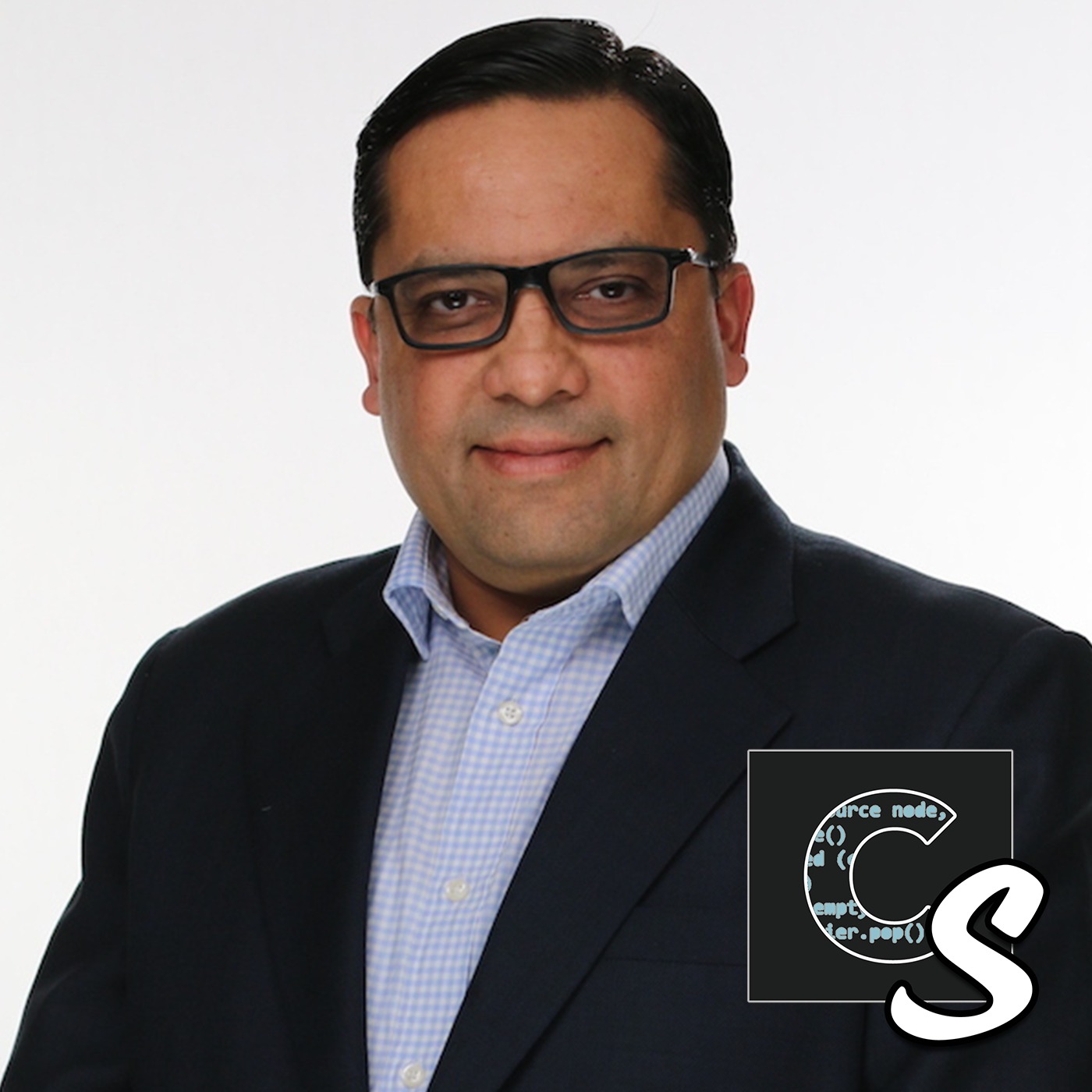
S12 Bonus: The Perishable Supply Chain Crisis: Why Generic ERPs Fail Fresh Food Logistics and How AI Agents Are Transforming Error-Free Order Intake with Sid Dixit, Chief Technology Officer at iTradeNetwork
In this episode
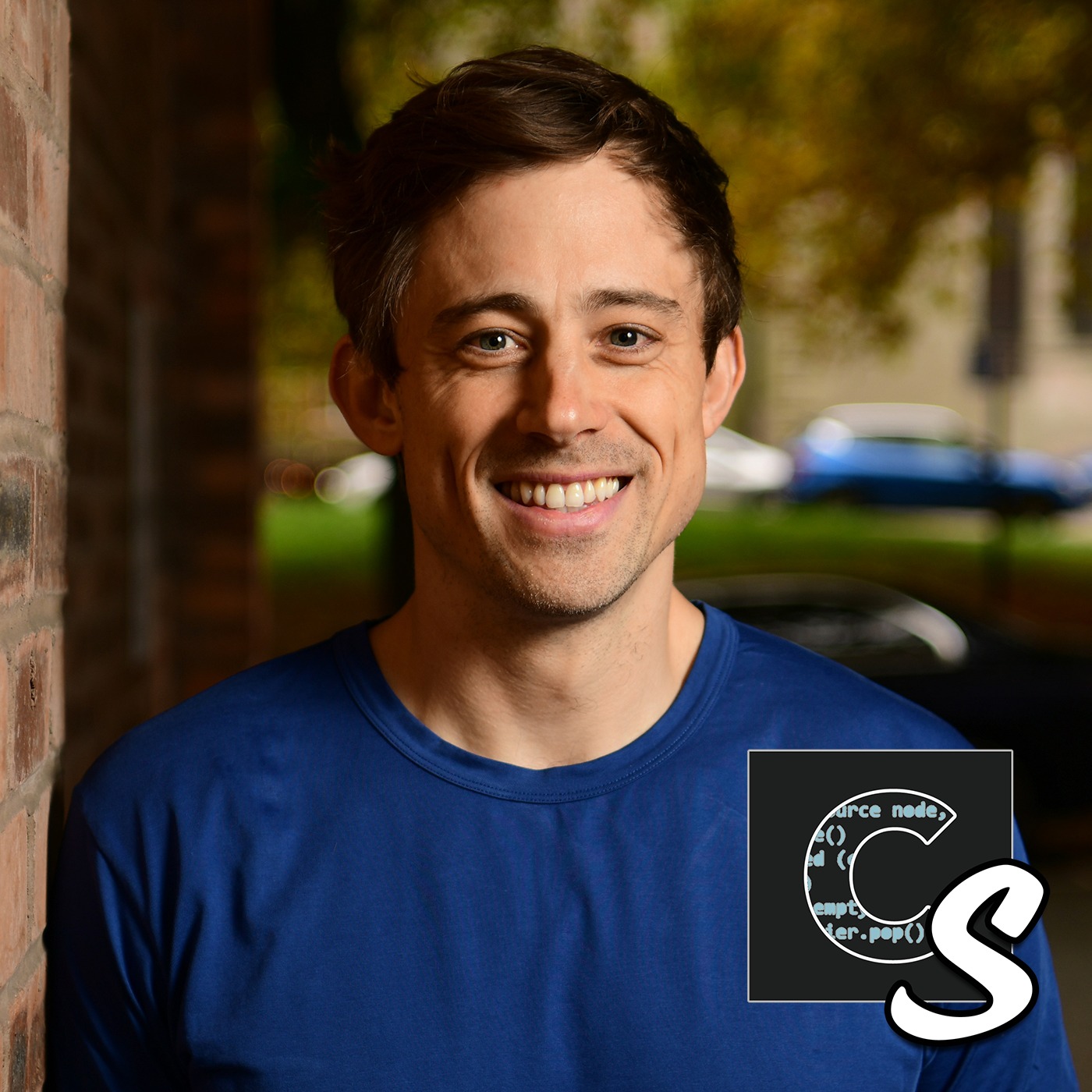
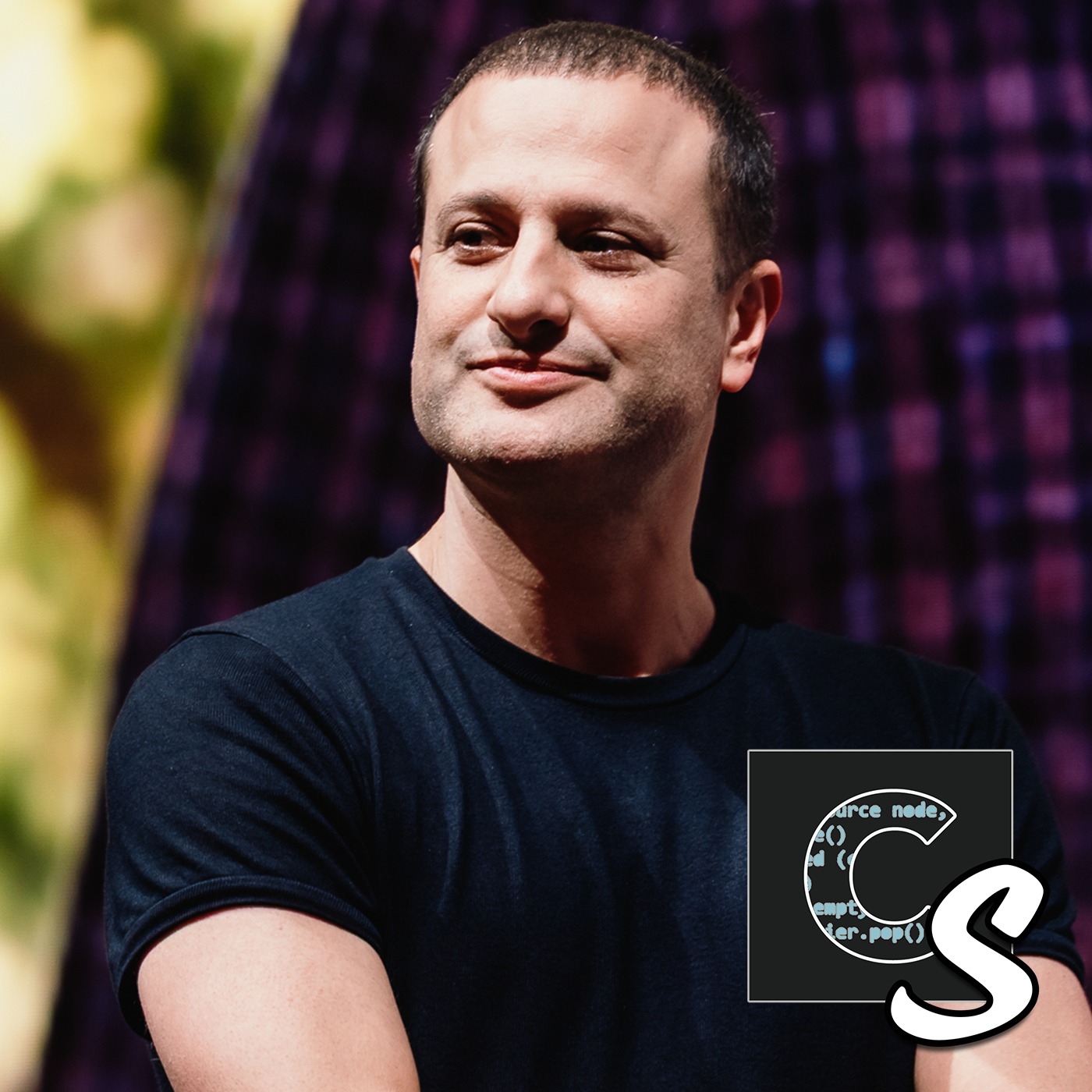
Sid Dixit is originally from central India, and came to the states for college. He is a technologist and builder at heart, serving in leadership roles across major companies. He has built and managed a fleet of satellites, built robots at Amazon, worked at Microsoft on surface tablets, and finally, at Google working on Android. Outside of tech in lives in the Bay Area with his wife and kids. He loves water sports, especially sailing. He spent 10 years in San Diego, and stumbled on the sport.
Sid's current company started in 1999, and was acquired in 2010. A few years ago, Sid joined the company, at a time when the company was wanting to rebuild its network from the ground up - starting with a powerful index.
This is Sid's creation story at iTradeNetwork.
Sponsors
Links
Current Sponsors:
Checkout our Stacklist! https://stacks.codestory.co/
Check out our Patreon!
Hosted by Noah Labhart | Technical Founder & Startup Mentor.
Our Sponsors:
* Check out Granola and use my code granola.ai/CODESTORY for a great deal: https://granola.ai
* Check out Perplexity and use my code pplx.ai/codestory for a great deal: https://www.perplexity.ai
Advertising Inquiries: https://redcircle.com/brands
Privacy & Opt-Out: https://redcircle.com/privacy
[SPEAKER_01]: Supply chain is complex and difficult and manual. [SPEAKER_01]: In the end, at every point, we can try a co-file equivalent, which will help you make better decisions, which will help you automate your most serious tasks. [SPEAKER_01]: Supply chain industry has many challenges. [SPEAKER_01]: 40% of our food gets raised in a 38% of the food in the United States is raised in. [SPEAKER_01]: Either in farms, in supply chain, in restaurants, if we can use this AI technology to ship it even five days faster that number could be 10% less.
[SPEAKER_01]: Imagine 10% of the dual food of the United States that read it, that can feed like entire countries. [SPEAKER_01]: I'm Sid Dixit, I'm Chief Technology Officer at ITrade Network.
[SPEAKER_03]: This is Code Story. [SPEAKER_03]: a podcast bringing you interviews with tech visionaries. [SPEAKER_03]: Six, six months moonlighting goes. [SPEAKER_03]: It's the last and all of the backgrounds who share what it takes to change an industry. [SPEAKER_00]: I don't exactly know what to do. [SPEAKER_03]: It doesn't go as to get right. [SPEAKER_02]: who built the teams that have their bad company is its team's help each other, which is proud of our team. [SPEAKER_03]: Keeping scalability top of mind, all that infrastructure was up there.
[SPEAKER_03]: Yes, we've been fighting it as we grew up. [SPEAKER_03]: Total waste of time. [SPEAKER_03]: The stories you don't read in the headlines. [SPEAKER_02]: It's not an easy thing to achieve. [SPEAKER_03]: To get yourself a deficit of off, try to begin to ride the ups and downs of the start-up line. [SPEAKER_02]: To really want it. [SPEAKER_03]: Not just about technology. [SPEAKER_03]: All this and more on code story. [SPEAKER_03]: I'm your host, Noel Abhart, and today how Sid Dixon has built a smarter path to supply chain growth by unifying data in building smarter workflows.
Guest introduction: Sid Dixit's career background across satellites, Amazon, and Google
[SPEAKER_03]: Sit Dixett is originally from Central India and came to the States for college. [SPEAKER_03]: He is a technologist and builder at heart, serving in leadership roles across major companies. [SPEAKER_03]: He has built and managed a fleet of satellites, built robots and Amazon, worked at Microsoft on surface tablets and finally at Google working on Android. [SPEAKER_03]: But outside of tech he lives in the Bay Area with his wife and kids. [SPEAKER_03]: He loves water sports, especially sailing.
[SPEAKER_03]: He spent 10 years in San Diego and stumbled upon the sport.
[SPEAKER_03]: Since current companies started in 1999 and was acquired in 2010, a few years ago, Sid joined the company at a time when they were wanting to rebuild their network from the ground up, starting with the powerful index.
[SPEAKER_03]: This is Sid's creation story at I Trade Network.
Overview of iTradeNetwork and its reach across North America's perishable supply chain
[SPEAKER_01]: I asked people, if you had a breakfast lunch or dinner, this is a good chance at least one of them came through I trade network. [SPEAKER_01]: So I trade network is a leader in perishable supply chain moving around maybe one third of perishable supply chain of United States and Canada or North America. [SPEAKER_01]: We do so by providing SaaS solutions for various people to think about when just you buy the school strawberries at Kroger's or Costco. [SPEAKER_01]: Somewhere in between that is our software which is helping these just sell the strawberries, invoices, orders, bills, all their stuff, and somewhere sletting Kroger by these strawberries and negotiate prices and complete the transaction.
[SPEAKER_01]: Similarly, if you're traveling at a airport or a stadium or a university, there's a cafeteria selling coffee or food, then they similarly use a plethora of software and applications to be able to move things across supply chain. [SPEAKER_01]: So Tyson, chicken, might be sold through our Cisco distributor, which will end up at the
[SPEAKER_01]: So, that's why I trade, we are a perishable food supply chain leader for our 2070 years now.
The origin story of iTradeNetwork and why generic ERPs fail fresh food logistics
[SPEAKER_01]: A long time ago around year 2000, a number of large companies, a believe it included McDonald's and some other large players. [SPEAKER_01]: They realized that we all don't need to spend dollars to build the ERP or EDI systems by ourselves to be able to solve a common problem and they came together and supported a group of entrepreneurs to build a SaaS platform which would be used for managing the orders in perishable food supply chain. [SPEAKER_01]: And this need to be new because initial supply chain has new options.
[SPEAKER_01]: When you are shipping strawberries in a truck, you can't have audience in the same truck, screen to spoil the taste of strawberries. [SPEAKER_01]: For first shipping audience, you can use the lower form of transport then you will use for a strawberries or something else. [SPEAKER_01]: Assistant needed to be nuanced enough to understand what is being transported than a vanilla. [SPEAKER_01]: That's some of her original founders came along and they'll discover me. [SPEAKER_01]: Since then, in year a busy 2010, Groper Technologies, which is a publicly listed company, ended up acquiring eye-trade network and we continue to be part of portfolio of now
[SPEAKER_03]: I tend to ask questions around the indie peak, right? [SPEAKER_03]: And I get that I train network started that way back when talking about your indie theme when you joined the first project you had to take on. [SPEAKER_03]: How did you approach it? [SPEAKER_03]: What sort of tools you're using to bring it? [SPEAKER_03]: The life and two fruition coming some stories there.
Upgrading legacy software from Systems of Record to Systems of Intelligence
[SPEAKER_01]: We are full of such and we big stories actually. [SPEAKER_01]: I actually network is a system of record. [SPEAKER_01]: For our buyers and sellers, this is system of record is or SaaS software and they log in. [SPEAKER_01]: But with the advent of AI, we are also able to provide go from system of call to upgrade to system of intelligence, right? [SPEAKER_01]: We can provide not only buyers and sellers, how to do this by using your handskyboard and new models, but more importantly, maybe what to do.
[SPEAKER_01]: So if you're a buyer, take what price you should buy for a week, right? [SPEAKER_01]: But why stop there, right? [SPEAKER_01]: It's a perishable supply chain super complex. [SPEAKER_01]: It requires a lot of manual work the buyer could be sitting all day long, and she end orders. [SPEAKER_01]: And if you think about what this buyer's mind's bill off, pastings, hey, somebody wants to buy, like, I don't know, 100 trucks of strawberries, for example, 100 crates of strawberries.
The role of specialized AI agents: Forecasting, pricing, RFQs, and negotiations
[SPEAKER_01]: You think about it, how much do I need to buy? [SPEAKER_01]: That's forecasting, agent, right? [SPEAKER_01]: Price I need to buy, that's like a pricing agent. [SPEAKER_01]: Goodwill, I need to buy, that's the request for correlation agent, which is scan like hundreds of people, maybe request a code from 10 people. [SPEAKER_01]: How do I negotiate that's a negotiation agent, right? [SPEAKER_01]: So fundamentally, you go from system of regard to system of intelligence, system of agents.
[SPEAKER_01]: and that's the journey I started when I joined I Trade Network actually. [SPEAKER_01]: When we realized that we have a significant value creation opportunity for a customer, if we can provide them the system of intelligence and the system of automation layers. [SPEAKER_01]: We looked at what are our next immediate opportunities.
Solving outdated market data: Building a real-time produce commodity index
[SPEAKER_01]: What are the things we found while a buyers and sellers in our industry and like stock markets didn't have a life ticket for strawberries? [SPEAKER_01]: They pick up their phone or emails and call each other and negotiate the price, and the only guidance they get is from USDA pricing. [SPEAKER_01]: and USB-A gathers the pricing by phone calls and emails. [SPEAKER_01]: Sometimes three days old, sometimes 70s old, sometimes off by 30% because it's self-reported and prone to errors. [SPEAKER_01]: What if rebuild a system, which is looking at all these transactions which are already happening in our systems, and anonymously, and randomized by preserving the privacy, but create a cost guidance?
[SPEAKER_01]: And we bought down this average equipment that pricing for less test properties, what was, electronic may be off by seven days, to two hours real-time pricing with a very small margin of error. [SPEAKER_01]: And this is helping our customers for the very first time having a equivalent of stockpaker or the commodities they traded. [SPEAKER_01]: It's widely imagined, right? [SPEAKER_01]: Food is one of the biggest expense or for housing, but indexed for food did not exist in a real-time manner up until now.
[SPEAKER_01]: That was our first MVP. [SPEAKER_03]: Okay, so that's really interesting. [SPEAKER_03]: I'm curious about a decision or trade off you had to make in building that first version.
Strategic MVP trade-offs: Narrowing focus to key commodities like strawberries and apples
[SPEAKER_03]: Tell me about a decision or trade off you had to make and how you cope with it. [SPEAKER_01]: One of the most interesting ones was retraiding a gazillion number of commodities but which ones do we pick? [SPEAKER_01]: Which ones do we do first? [SPEAKER_01]: Where do we start? [SPEAKER_01]: What are the top five come on to stop 10 or at least stop 20 commodities? [SPEAKER_01]: And for us to do that decision that really came down to who are going to be the early adopters and who are going to a customers?
[SPEAKER_01]: So we reached out to a bunch of customers, special or concept shared with the work cost and X-rays. [SPEAKER_01]: And we looked at what are the things which are most meaningful to our customers, which are the most call it perishable out of the supply chain, which are the most which are susceptible to white swings in prices. [SPEAKER_01]: And we ended up in narrowing a list of 30 commodities where we are going to focus, but I call this as strawberry story, almost everything came down to prices of strawberries and apples, and they turned out to be our first of the two very first commodities for which we launched cost index.
[SPEAKER_01]: Now, it may not look like a trade-off, right? [SPEAKER_01]: Hey, we're just starting with a thing. [SPEAKER_01]: But it was something hard, actually. [SPEAKER_01]: It was sent that easy. [SPEAKER_01]: Because we have to really say no to a number of customers who are not trading in this. [SPEAKER_01]: We have to really focus all of our teams and energy to go deeper.
Using AI to harmonize unstructured vendor product descriptions
[SPEAKER_01]: When you're trading an Apple, somebody might be trading it as Apple Gala Fuji, somebody might be trading as FUJ, APPL. [SPEAKER_01]: Now, if you want to even drive any harmonization of data, you need AI agents, which can scan look, analyze, and harmonize them and map these things. [SPEAKER_01]: These three things meet exactly the same thing. [SPEAKER_01]: So, that was a big part of the relation for us.
[SPEAKER_03]: Let's move forward then, I'm curious about how you progressed and matured this new index and how you're going about that, and I need to wrap it up box a little bit. [SPEAKER_03]: I'm curious about how, at I trade network, you build your roadmap. [SPEAKER_03]: How you go about deciding that, okay, this is the next most important thing to build or to address. [SPEAKER_01]: So for cost index, we believe in doing beta trials and asking a ton of early customer feedback. [SPEAKER_01]: And we started that and used that feedback to mature our customers.
[SPEAKER_01]: Made it, frankly. [SPEAKER_01]: So for example, when we ended up building it, we built something wrong. [SPEAKER_01]: We built pricing by power pounds. [SPEAKER_01]: And you'll say, yeah, I was wrong with that, right? [SPEAKER_01]: Every case of strawberries, you buy is two pounds, three pounds for pounds,
[SPEAKER_01]: But really, when the large buyers and sellers strained it, all those never traded in pounds, they do it by cases actually. [SPEAKER_01]: This is just one example of a right type customer keepback. [SPEAKER_01]: We have to do some of it for logic to go from pounds to cases right. [SPEAKER_01]: We could believe in using continuous feedback from our customers to continue to try to meet progress and ship our things. [SPEAKER_01]: The second question was, how do you pick the next idea, how do you pick the next thing?
[SPEAKER_01]: I think we use a framework called where to play how to play right to win, but essentially tells us what are the core things which matter to the customers we already have. [SPEAKER_01]: So we looked at our customers, we looked at our supply chain, if on where are the most manual operations, basically? [SPEAKER_02]: What are the most manual things which are going on? [SPEAKER_01]: Maybe 60% of the use cases they use are softer and they do other processing creation, pure and voicing it in our sass system.
[SPEAKER_01]: But really, imagine a use case of a small farm or a small farmer between Apple's right, out of Portland or England, so we'll run it. [SPEAKER_01]: And it's a small farm that don't use modern technology or sass software, and they still want to sell it to crew. [SPEAKER_01]: right. [SPEAKER_01]: How do they do that? [SPEAKER_01]: They actually email it to Proverse. [SPEAKER_01]: Hey, here's my Apple says what it is. [SPEAKER_01]: You're local Proverse sure they love to carry local produce and they often buy it.
[SPEAKER_01]: But the cost of doing it is around 30 minutes of back and forth gore on an average, sometimes even more. [SPEAKER_01]: We said, can we rule this experience? [SPEAKER_01]: We ended up creating something called order agent. [SPEAKER_01]: And in order at agent, basically, is a simplified system along with email agent, where a farmer could still send an email and the system could respond back. [SPEAKER_01]: Hey, what's the price, or maybe make the price right, or confirm this quantity?
[SPEAKER_01]: And the eGIMS is between it, and it will create a order into a larger SaaS system. [SPEAKER_01]: And similarly, an order agent you farmer can just simply upload a PDF or something, and it will show off in the system. [SPEAKER_01]: What these kind of things do is they let these small players not have actually connect to our systems. [SPEAKER_01]: When result is, you can find this local farms, apples, or bread, or something in a crowding area or one of these stores. [SPEAKER_01]: And we continue to do this across, we continue to run hackathon with our customers.
[SPEAKER_01]: One other thing how we create products is we actually run a hackathon
[SPEAKER_01]: And in Salinas, California, in this hackathon, we invited our customers like six of them shoot up and we asked them for, hey, in the next six hours, we're going to build something we saw through a core problem. [SPEAKER_01]: and each one of them suggested at the core problem we had our teams use our system of origins of Harvey or Reifactree and kick it from idea to architecture to a depth plan to code, to QA, to deployment, to security, all in X4 to 5 hours. [SPEAKER_01]: And some of these ideas were good enough which we are now considering from building real products out of those.
[SPEAKER_03]: Let's flip the team. [SPEAKER_03]: Oh, you go about building your team. [SPEAKER_03]: It wouldn't look for it in the people you bring on to eye-traid network.
Streamlining complex order intake workflows across buyers and sellers
[SPEAKER_03]: To determine that they're the winning horses to join. [SPEAKER_01]: We see that a lot of young generations, especially people, graduating out of college, are losing on job opportunities. [SPEAKER_01]: They are not getting as many with the advent of the earth. [SPEAKER_01]: So we are heavy investing out of hiring fresh grass out of college. [SPEAKER_01]: In fact, I have another 10-12
[SPEAKER_01]: And we are finding using incredibly talented young people, we hired them, we put them through a thorough mentorship program, we trained them to send them to the best of the boot camps in Silicon Valley. [SPEAKER_01]: And I can't tell you how unwaist I am by the work they are producing. [SPEAKER_01]: They're building AI, they're building agents, they're like super fluent AI native, we call them our super power Rangers or something like that. [SPEAKER_01]: They're builders, right? [SPEAKER_01]: Super power builders and I'll omit the command Rangers and I'll say these are super power builders.
[SPEAKER_01]: Number one thing I look for people are builders. [SPEAKER_01]: I are building something, what have they built, what have they, how they experiment and so on. [SPEAKER_01]: Second thing is I'm very big on and that's the culture we have said that I trade it's big on leadership principles. [SPEAKER_01]: So we look for ownership, bias for action, on trust, customer accession, deliver results and learn and be curious. [SPEAKER_01]: ownership means nothing is beneath us. [SPEAKER_01]: A, if I have to do get a trash can, lift a trash can, to help my teams, I'm going to do that.
[SPEAKER_01]: Buys for action means when faced with conflicting information and conflicting choices, we fall on the side of action, large status quo, or deadlock. [SPEAKER_01]: Deliver results means we are going to deliver results no matter what and delivering results matter. [SPEAKER_01]: Antros means being vocalic self-critical, being humble, being a servant leadership, but also having a backbone to disagree and commit, having a backbone to [SPEAKER_01]: raised about having a backbone to provide tough feedback or taking the tough feedback also.
[SPEAKER_01]: And ultimately, we like people who are obsessed while about the customers. [SPEAKER_01]: They, whether the customers are external customers, internal customers, PR team, stakeholders, people who, it matters what they're delivering to their counterparts. [SPEAKER_01]: And last but not least, we look for learners, people who are curious, want to learn, want to experiment. [SPEAKER_01]: So that's how we higher the tide shade, and that's how I higher through my career.
[SPEAKER_03]: Let's move into scalability. [SPEAKER_03]: I'm curious about how you built this index. [SPEAKER_03]: How you approach steel and building the Earth's main interesting areas we've had to fight it as you've grew. [SPEAKER_01]: is an interesting problem. [SPEAKER_01]: And I'll take scalability as an EI scalability for a second. [SPEAKER_01]: There are many dimensions or scalability but this was a unique one. [SPEAKER_01]: So, imagine you're looking at one million transactions per day. [SPEAKER_01]: and you want to harmonize or categorize these transactions into simpler buckets which could become paired to each other.
[SPEAKER_01]: So we built the system of agents think about strawberry agent and accolagent but actually more complex than them which harmonize the data transform them in extra. [SPEAKER_01]: But as you scale this system to run millions of instances of it every single day we know [SPEAKER_01]: We know AI models do not produce results. [SPEAKER_01]: How do you scale the system? [SPEAKER_01]: How do you build this way? [SPEAKER_01]: People call it Evalse and LLMGages. [SPEAKER_01]: That's the common term.
[SPEAKER_01]: It wasn't the common term at the end of 2024, actually. [SPEAKER_01]: But we ended up building LLMGages or other LLMs or Evalse accounts from the scratch actually. [SPEAKER_01]: To evaluate the output of other LLMs and other region, take AI systems in classifying data per cost index. [SPEAKER_01]: before that we were used to get like high number of errors like our data could be only right 90, 90% of the time, or a 5% of time. [SPEAKER_01]: But they're doing so we reached like 98, 99% of accuracy, precision recorded at the f-score metrics which you measure on continental bases.
[SPEAKER_01]: But that was one of the key things, right. [SPEAKER_01]: The other things about scalability in AI systems is observability. [SPEAKER_01]: How do you observe output of thousands of runs of agents? [SPEAKER_01]: To be used a technology called Optic or a Famer called Optic and now we have built it into our platform to introduce observability but there are really good other solutions to like land, fused or erysia and things like that.
[SPEAKER_03]: Okay, so as you step on the balcony, you look across all that you've built across your career. [SPEAKER_03]: When you was proud of it. [SPEAKER_01]: So a couple of months back, my thoughts came out and I was incredibly excited and then a DR2 later struck me. [SPEAKER_01]: Amen, this is going to automate a lot of things and it could be a phenomenal advancement for human technology. [SPEAKER_01]: But for humans who don't learn how to wield AI and how to use AI, this is going to be a challenge that's going to create the AI device.
[SPEAKER_01]: So one of the things I did is I created this mission called 1Million.Beld. [SPEAKER_01]: Oh, any, am I L-I-O-N.Beld? [SPEAKER_01]: 1Million.Beld isn't initiative to teach. [SPEAKER_01]: one million people how to build with AI and it is a course and I found most of the course that there are a lot of courses in Yudami and Mavin. [SPEAKER_01]: Many courses on Mavin are $2,000 and $4,000 and things like that.
[SPEAKER_01]: most people in the world can't afford this. [SPEAKER_01]: So I build a system which is free of cost, and you really can take it and it's free of cost. [SPEAKER_01]: We are trying to teach a million people how to build using AI agents. [SPEAKER_01]: So within 18 days, somebody who has never coded in life would learn how to conceptualize their idea, create a PRD, create a business plan, build a application, test out application to be an enterprise-grade
[SPEAKER_01]: Run like SAS, DAS, who has stopped as security, do enough, full-quew testing, deploy the product in cloud, and then use go-to-market agents to build up go-to-market strategy, branding strategy, and all the stuff. [SPEAKER_01]: We have built these agents, open source agents, which help you do that. [SPEAKER_01]: So that's something I am is new and still scaling up, but I think I'm more excited about. [SPEAKER_01]: My second biggest success, if I were to look back, is kind of like similar thoughts.
[SPEAKER_01]: I remember many years back, sitting in my office.
Quantifying the macroeconomic impact of supply chain speed on global food waste
[SPEAKER_01]: at Microsoft and a gentleman named I think Sumona comes in and he's like, he said, we got this opportunity to make our Microsoft surfaces available from a Garmin tool initiative or something like that, the right tools initiative. [SPEAKER_01]: Probably forgot that, but two thousands of Indian reservations students will use this cellular connective surface to do homework. [SPEAKER_01]: and mine it because it was important because they had no internet connection back then. [SPEAKER_01]: There is no wired or optical fiber internet available into their communities.
[SPEAKER_01]: They could use these services which have in-built cellular modem. [SPEAKER_01]: Connect to internet and do that. [SPEAKER_01]: And we've pitched that program and I think they got disappointed. [SPEAKER_01]: For me, past success, you create something which meaningfully impacts my own kind. [SPEAKER_01]: We have been fortunate to live in this day and age in technology and but we have a really short window of time which we can do something meaningful on Earth. [SPEAKER_01]: I believe by using innovation and product and engineering to not only help advance the commercial products but then contribute back.
[SPEAKER_03]: Okay, said, let's flip the script a little bit, tell me about a mistake you made and how you and your team responded to it. [SPEAKER_01]: So we build this Microsoft Nokia Lumia tablet used to ship to Europe with 220 world travelers. [SPEAKER_01]: And one of our, I think, conference party spin was traveling from one city to another. [SPEAKER_01]: And when they took out their tablet and charged out of their at the end of their journey, [SPEAKER_01]: The Charger Socialist Park, and what was concerning is it has exposed wires and terminates, which, hey, it would be a potential hazard.
[SPEAKER_01]: Now this was one such incident sort of thousands and millions. [SPEAKER_01]: And you look back and you reflect on it, huh? [SPEAKER_01]: Is this one isolated incident or did we do something fundamentally wrong? [SPEAKER_01]: And we did, we did it quickly. [SPEAKER_01]: I ended up creating a small D team and say, bring a lot of chargers and drop tests and ship them to them. [SPEAKER_01]: We did a lot of that, mostly survived,
[SPEAKER_01]: And I have a place with a information that maybe there is a problem, this charger can split open and it could be as are. [SPEAKER_01]: Or maybe this is a nice related incident, and we should watch out for more. [SPEAKER_01]: I choose to run the side of caution and ended up issuing actually a product recall. [SPEAKER_01]: It was very hard decision to do. [SPEAKER_01]: We have to announce publicly, probably saying, tell our charges might have an effect. [SPEAKER_01]: And and I'm glad we did that.
[SPEAKER_01]: We ended up investigating this situation deeper into our suppliers and we found nothing out into your manufacturing process and then we go step deeper into sub-sub-sub-sub-sub-sub-sub-sub-suppliers in China. [SPEAKER_01]: I founded ultimately that for chargers made for a European union for some reason in that part of supply chain, [SPEAKER_01]: They were doing ultrasonic wells on chargers, three times across the periphery, where it says for U.S. chargers they relate to in five times for six times.
[SPEAKER_01]: That only happened because we dispatched teams to look inside U.S. supply chain and then they go to the next supplier into China's supply chain. [SPEAKER_01]: When they did not find anything, they still decided to go one more level deeper into
[SPEAKER_01]: So it was hard, it was difficult to mistake, but I think we got glad we did and we hold the high bar. [SPEAKER_01]: And I think it is incredibly important to do these hard decisions even if they are detrimental.
[SPEAKER_03]: Okay said, let's move forward then. [SPEAKER_03]: What does the future look like for I trade network or all that you're building for the company? [SPEAKER_03]: Come in, but all the things. [SPEAKER_01]: So, the InVision feature of I trade is an autonomous and intelligent supply chain network. [SPEAKER_01]: The InVision, where our customers, where we provide digital assistance, which can help them do their job. [SPEAKER_01]: Think about, supply chain is complex, right, and difficult and manual.
[SPEAKER_01]: In the InVision, at every point, we can provide a co-file equivalent. [SPEAKER_01]: which will help you make better decisions, which will help you automate your most serious tasks. [SPEAKER_01]: So, you can start to focus on this law. [SPEAKER_01]: And the supply chain industry has many challenges. [SPEAKER_01]: They have thousands and thousands of unfilial jobs, hundreds of thousands. [SPEAKER_01]: There is simply no people to do the job, right? [SPEAKER_01]: They have trouble 40% of our food gets raised in a 38% of the food in the United States is raised in either in farms, in supply chain, in restaurants, just to be used.
[SPEAKER_01]: If we can use this AI technology to ship it even five days faster, that number could be 10% less, imagine 10% of the total food of the United States in Korea, that can feed like entire countries. [SPEAKER_01]: For us, the future looks incredibly promising and incredible beautiful, and we think we are going to be able to leverage AI in this industry which has conventionally been a little far behind in the technology spectrum. [SPEAKER_01]: We look forward to
[SPEAKER_03]: Let's wish that you said, who influences the way that you were? [SPEAKER_03]: Name a person, and many persons, or something. [SPEAKER_03]: You look up to him, why? [SPEAKER_01]: I've been fortunate. [SPEAKER_01]: I remember working at Microsoft and Pano Spanay, who was a CEO of Microsoft devices, used to be my skip level boss, and I'm impressed by the technology he brings in. [SPEAKER_01]: I remember the time when I was at Morphola, one of the leaders, regardless of the law.
Future vision for AI agents in global supply chain management
[SPEAKER_01]: used somebody who will always say nothing is impossible and I could not even have imagined building the first and right powered Motorola phone in such a short period of time except for his leadership. [SPEAKER_01]: I'm very interested with my former CEO and whom I used to report at planet
[SPEAKER_01]: But there are two more people I'm actually a look for to, one of them is Amark, there is a CEO of Hydra Network. [SPEAKER_01]: I learn a lot from him and very impressed by how deep and thoughtful he is. [SPEAKER_01]: How he approaches the problem takes a 360 view. [SPEAKER_01]: and how he sees his job as a service and responsibility while being incredibly humble. [SPEAKER_01]: And these are some of the people in my real life of my first sweat. [SPEAKER_01]: But I would also like to mention a book I'm reading is called the motive by Patrick Link Journey.
[SPEAKER_01]: I think if anybody is not like this book, I'll really urge them to read or listen to this book because it's still reflect on why are you reading, why are you working, what's your motive? [SPEAKER_01]: And by doing so, it actually changed me, and I'm starting to see my job very differently.
[SPEAKER_03]: Last question, you're kidding on a plane, and you're sitting next to a young entrepreneur who's built the next thick thing. [SPEAKER_03]: They're jazzed about it, they can't wait to show it off to the world, and can we shut off new right there on the plane? [SPEAKER_03]: What advice to give that person? [SPEAKER_03]: I've been going down this road a bit in several different capacities. [SPEAKER_01]: So, first of all, and the kind of person who will absolutely tell him like, yes, played in Wi-Fi or whatever, and I love to see it right away.
[SPEAKER_01]: Right? [SPEAKER_01]: And I think that fundamentally believing page forward, and I'll tell that entrepreneur like, hey, tell me how can I help you. [SPEAKER_01]: But couple of things, which come to my mind when young entrepreneurs is building something. [SPEAKER_01]: I will tell that you entrepreneur to get a real feedback, get a real perspective from customers. [SPEAKER_01]: Because, under the day what you end up stealing is addresses either an unmet customer need or a pinpoint they have and everything else is white noise.
[SPEAKER_01]: Do not build anything which is large unmet customer need or a customer pin point. [SPEAKER_01]: Work backwards from customer and working backwards from customer is something I learned at Amazon is a coldly delicious principle core we are for creating. [SPEAKER_01]: But I think that's the only way I know of which succeeds in works. [SPEAKER_01]: And what it really means is you don't start by thinking things in your head or with your team, build them and then ask the customer what you think about it.
[SPEAKER_01]: What you start with is asking customers what's your pinpoint like? [SPEAKER_01]: What really matters in your business? [SPEAKER_01]: Where do you use what are the top problems you want to solve? [SPEAKER_01]: And then use that to create solutions and technologies which intersect for your company business, really play out, play right to it. [SPEAKER_01]: You don't have to build any actual things, but things which intersect for you and your customers. [SPEAKER_01]: So that would be my advice.
[SPEAKER_01]: You got a ton of customer feedback in and out. [SPEAKER_01]: Every single hour, every single day. [SPEAKER_03]: I think that's fantastic advice. [SPEAKER_03]: So thanks for being on the show today and thank you for telling your creation story at I Trade Network.
Closing thoughts and where to learn more about iTradeNetwork
[SPEAKER_03]: and this includes another chapter of Coat Story.
[SPEAKER_03]: Coat Story is hosted and produced by Noah Labhardt. [SPEAKER_03]: Be sure to subscribe on Apple Podcasts, Spotify or the podcasting app at your choice. [SPEAKER_03]: And when you get a chance, leave us a review. [SPEAKER_03]: Both things help us out tremendously.
[SPEAKER_03]: And thanks again for listening.
Chapters
Latest Season of the Podcast is Sponsored By





 Apple Podcasts
 Spotify
 Castbox
 Player FM
 Pocket Casts
 YouTube
 Overcast
 Castro
 Goodpods
 Moon FM
 Podbean
 Podcast Addict
 Podcast Republic