S13 Bonus: The AI Marketing Cloud: Harnessing Predictive Intent to Scale Growth with Christian Monberg, CTO of Zeta Global
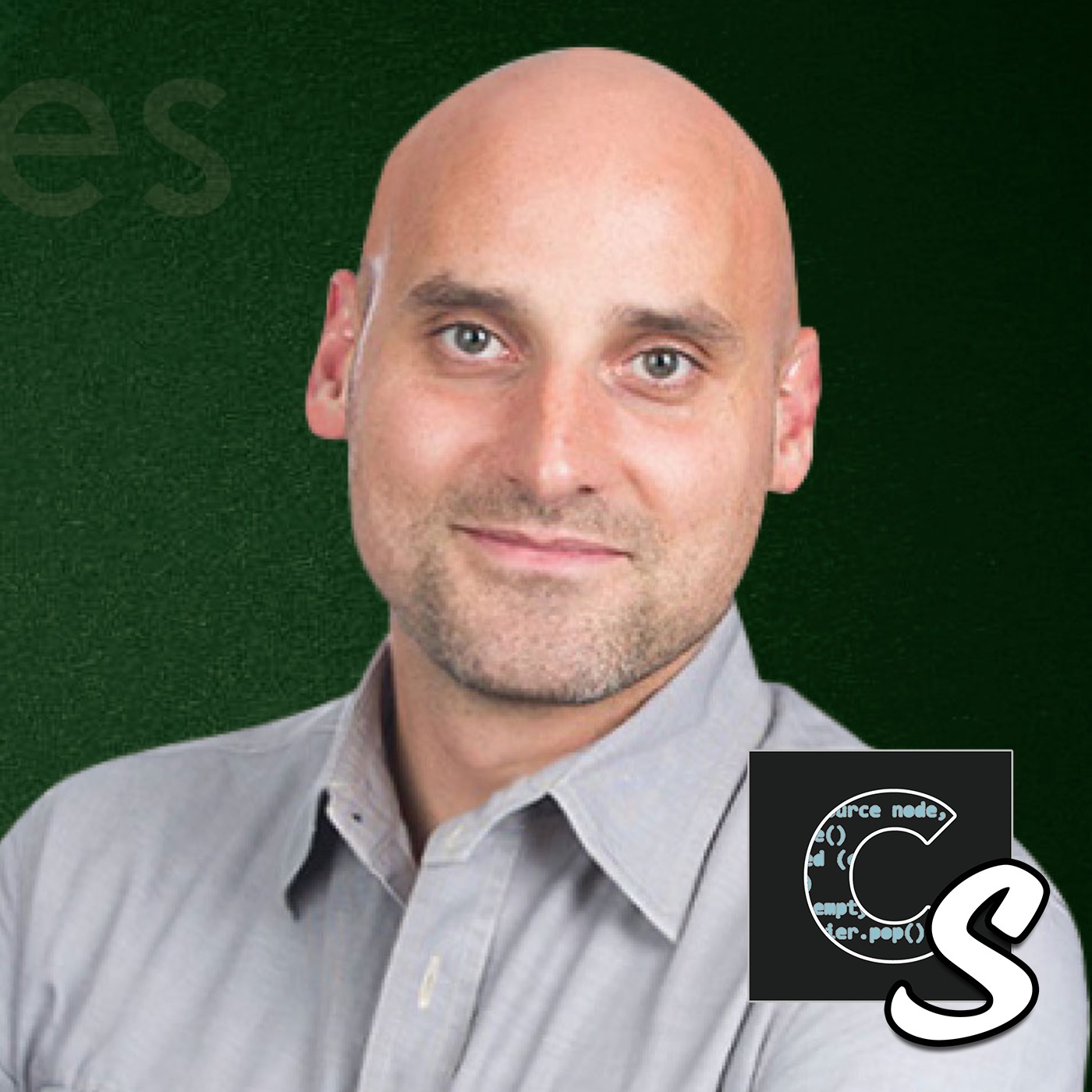
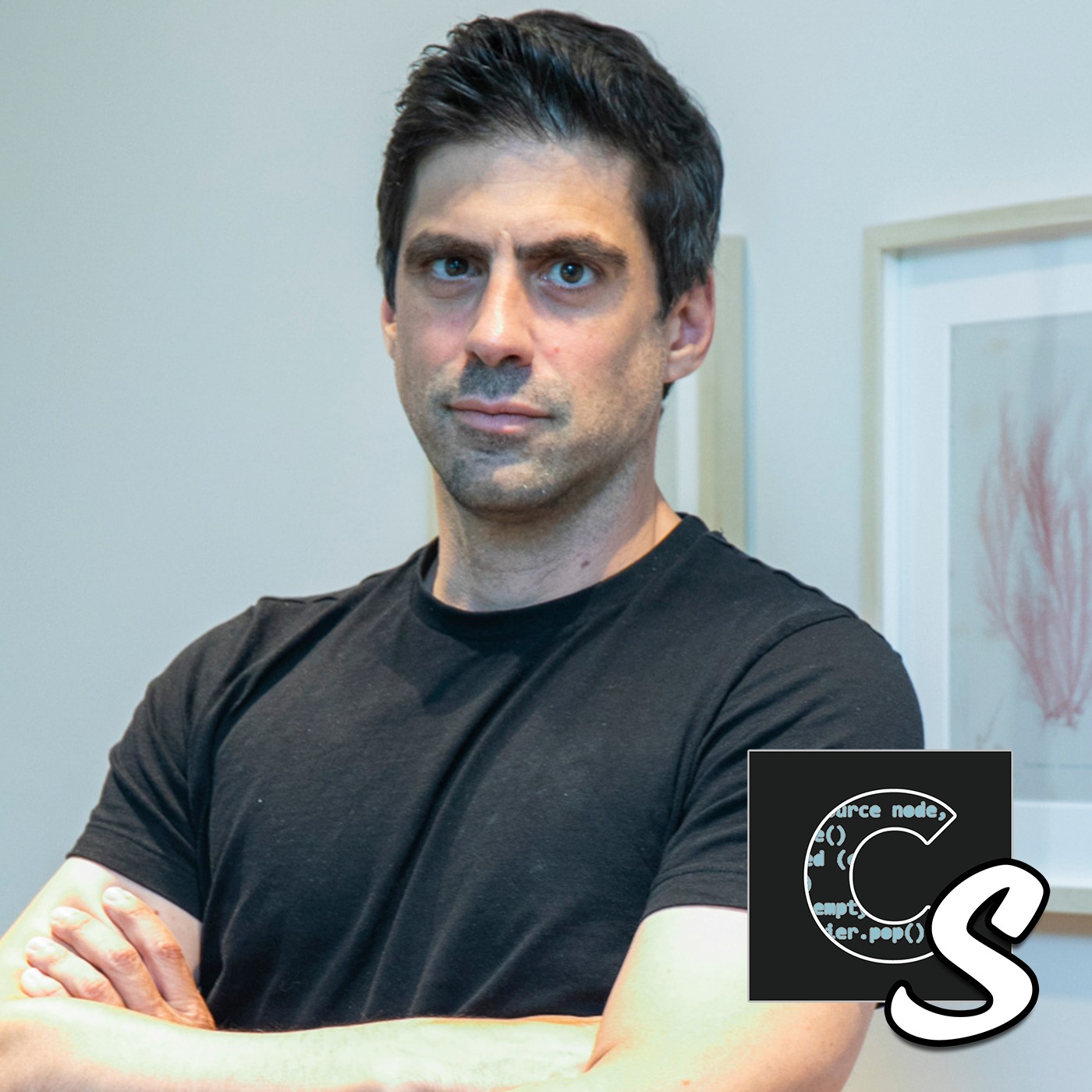
Christian Monberg is originally from a small town in central Maine. His mother was a mathematician, which meant he got into engineering fairly young. This lead him to attend school for engineering, and pursue a career in tech and become a true technologist. Outside of tech, he is married with 2 kids and lives in San Francisco with his family. He likes to re-build old engines, and loves to fly. In fact, some of his favorite flights were through the Grand Canyon at sunset, or seeing Vegas from a plane. In addition, he likes to sail, and is always attempting to tinker with his boat, and sail with his friends and family.
Chris prior company was focused on AI and marketing, and eventually, they were acquired by their now parent company. A lot of the hard earned lessons that he and his team learned through their journey still applied in this age of AI, so much so that it became the backbone of how Zeta built and deployed their products.
This is Chris' creation story at Zeta Global.
Links
https://www.linkedin.com/in/chrismonberg/
Current Sponsors:
Checkout our Stacklist! https://stacks.codestory.co/
Hosted by Noah Labhart | Technical Founder & Startup Mentor.
Our Sponsors:
* Check out Granola and use my code granola.ai/CODESTORY for a great deal: https://granola.ai
* Check out Perplexity and use my code pplx.ai/codestory for a great deal: https://www.perplexity.ai
Advertising Inquiries: https://redcircle.com/brands
Privacy & Opt-Out: https://redcircle.com/privacy
[SPEAKER_02]: Every product engineering organization is confronted by the need to balance innovation with hardening and that's process. [SPEAKER_02]: That's culture, that's what you build, that's how you build it, that's how you spec it. [SPEAKER_02]: It doesn't skip by any business. [SPEAKER_02]: You can be Facebook's size to be running into that is sure. [SPEAKER_02]: Meta size, running into that issue, or you can be a 12 person startup running into that issue. [SPEAKER_02]: I think in the early days, we had a hard time balancing our innovation sprints versus our hardening sprints because we didn't quite have the systems in place to help us innovate while we built very rigorous and hardened technology.
[SPEAKER_02]: I am Chris Jamomberg, the CTO and had a product at Zeta Global.
[SPEAKER_03]: a podcast bringing you interviews with tech visionaries. [SPEAKER_03]: Six, six months moonlighting goes. [SPEAKER_03]: It's the last and all of the backgrounds who share what it takes to change an industry. [SPEAKER_00]: I don't exactly know what to do. [SPEAKER_03]: It doesn't go as to get right. [SPEAKER_01]: who built the teams that have their bad company is its team's help each other, which is proud of our team. [SPEAKER_03]: Keeping scalability top of mind, all that infrastructure was up there.
[SPEAKER_03]: Yes, we've been fighting it as we grew up. [SPEAKER_02]: Total waste of time. [SPEAKER_03]: The stories you don't read in the headlines. [SPEAKER_01]: It's not an easy thing to achieve. [SPEAKER_03]: To get yourself a deficit of off, try to begin to ride the ups and downs of the start-up line. [SPEAKER_01]: To really want it. [SPEAKER_03]: Not just about technology. [SPEAKER_03]: All this and more on code story. [SPEAKER_03]: I'm your host, Noah Labpart, and today how Christian Monberg is leading the charge in building the intelligence layer for a gintick marketing for the enterprise.
[SPEAKER_03]: Christian Monberg is originally from a small town in Central Maine. [SPEAKER_03]: His mother was a mathematician, which meant he got into engineering fairly young. [SPEAKER_03]: This led him to attend school for engineering and pursue a career in tech and become a true technologist. [SPEAKER_03]: But outside of technology, he's married with two kids and lives in San Francisco with his family. [SPEAKER_03]: He likes to rebuild old engines and loves to fly. [SPEAKER_03]: In fact, some of his favorite flights were through the Grand Canyon at Sunset, we're seeing Vegas from a plane.
[SPEAKER_03]: In addition, he likes to sail, and is always attempting to tinker with his boat and sail with his friends and family.
[SPEAKER_03]: Chris's prior company was focused on AI and marketing. [SPEAKER_03]: Eventually, they were acquired by their now parent company. [SPEAKER_03]: A lot of the hard earned lessons that he and his team acquired through their journey still applied in this age of AI so much so that it became the backbone of how Zeta built and deployed their products.
[SPEAKER_03]: This is Chris's creation story at Zeta Global.
[SPEAKER_02]: Zeta Global is a technology company. [SPEAKER_02]: We fundamentally have been building AI technology for quite some time. [SPEAKER_02]: Our primary focus area has been historically a marketing use cases. [SPEAKER_02]: There's marketing tends to be early adopters of AI solutions and Zeta has a proprietary data set that works to identity along with this infrastructure that makes us really unique in the market and paired to our competitors. [SPEAKER_02]: And so when the brands who work with are working to acquire new users or retain those users or grow them into more valuable users, they can turn to Zayna and we've got a slew of solutions for them.
[SPEAKER_02]: I'll predicate it on one platform which is really important in today's industry where a lot of our competitors acquire their way to where they are and they've got ingredients or tools, but they don't really have integrated infrastructure with their customers' can use. [SPEAKER_02]: I ended up at Zeta. [SPEAKER_02]: Through Zeta acquiring a company I had built. [SPEAKER_02]: They acquired my company in 2017. [SPEAKER_02]: My company was focused on AI marketing back when to be an AI, you had to write all your algorithms by hand.
[SPEAKER_02]: So it was a very different time. [SPEAKER_02]: But a lot of those harder and lessons, and then a conviction we built in the early days of work challenges are still really relevant today. [SPEAKER_02]: There are still challenges that our prospects and customers are talking about.
[SPEAKER_03]: I'm curious about what was your MVP there, right? [SPEAKER_03]: I asked a lot of questions on this show about MVP's, but what was the first project you jumped in and took on it, Zeta? [SPEAKER_03]: And what sort of tools you're using to bring it to life? [SPEAKER_03]: How long did it take to really get it out into the market and tell me about some of the stories there?
[SPEAKER_02]: We're a really unique story as far as acquisitions go. [SPEAKER_02]: The team stuck around mostly because the product stuck around. [SPEAKER_02]: So Zeta had acquired a few companies prior to us, but when they acquired a company, it was an investment in a shift in strategy and culture and process. [SPEAKER_02]: So in the same year, they acquired my company. [SPEAKER_02]: They acquired another very notable company that helped be the
[SPEAKER_02]: And that was them saying, hey, we believe AI is really going to change the future of marketing. [SPEAKER_02]: So that meant that my platform that had been built largely for SMB's small-migamed science businesses. [SPEAKER_02]: It became the backbone for what ZADOM is doing. [SPEAKER_02]: In order to do that, we had to strengthen our platform to be enterprise-grade. [SPEAKER_02]: And that took some time. [SPEAKER_02]: There were things that were preposterous to me at the time, if I'm sure you've got some
[SPEAKER_02]: I had deep conviction that everything in the world should be real-time, and that data the longer it sits around the less relevant it is, and I had a bunch of examples of how I could prove that. [SPEAKER_02]: But we went to work with 4,100 companies, they said, yeah, whether that's true or not, I've got terabytes of data that I need to migrate into this system so we have it all in one place. [SPEAKER_02]: And I said, what are you going to do with it? [SPEAKER_02]: Over time, I think I learned a little bit about the way enterprises work him and I think enterprises also learned that there's more work they had to do on their side to get more value out for those of us.
[SPEAKER_02]: But that alone moving from just streaming to streaming in a batch architecture was an important transition for us and hardening the system so that we met the enterprise SLA and we really spent the first year focused on that. [SPEAKER_02]: It was a... [SPEAKER_02]: A little bit of a reality check for some high-flying startup-y guys, a lot of Silicon Valley guys that just want to innovate, and the best lesson we've learned at that time, Noah, was a gift that Zantaprop Zato was very good at building a business, and there's a big difference between building a business and building technology.
[SPEAKER_02]: My first offices were down in Soma, [SPEAKER_02]: And around every corner, there was a brilliant PhD, there was a brilliant mind. [SPEAKER_02]: It was building the most brilliant technology I'd ever conceived of. [SPEAKER_02]: And months later, those same people had shut down their business, because they weren't building a true business. [SPEAKER_02]: They were building a technology technology segment. [SPEAKER_02]: And, well, my startup was on the brink of growing and making all of the mistakes that you make.
[SPEAKER_02]: It was also really learning how to be a cashflow positive business and Zeno was and still is an expert at that. [SPEAKER_02]: But that put a different rigor and a different lens of what we focus on. [SPEAKER_03]: in achieving that enterprise SLA, right? [SPEAKER_03]: And going through that process, tell me about, maybe a hard decision you had to make. [SPEAKER_03]: That could be about how you approached the problem. [SPEAKER_03]: Team structure, limitations you had to accept, or anything like that, tell me about a hard decision you had to make and how you cope with it.
[SPEAKER_02]: Every product engineering organization is confronted by the need to balance innovation with hardening And that's process. [SPEAKER_02]: That's culture. [SPEAKER_02]: That's what you build. [SPEAKER_02]: That's how you build it. [SPEAKER_02]: How you speck it. [SPEAKER_02]: And I believe that conundrum. [SPEAKER_02]: It doesn't skip by any business. [SPEAKER_02]: You can be Facebook size. [SPEAKER_02]: It's going to be running into that issue. [SPEAKER_02]: Meta size running into that issue or you can be like 12 person startup running into that issue.
[SPEAKER_02]: So I think in the early days we [SPEAKER_02]: Had a hard time balancing our innovation sprints versus our hardening sprints because we didn't quite have the systems in place to help us innovate while we built very rigorous and hardened technology. [SPEAKER_02]: It took some time to get that right in the change of process, change our controls, and I won't say that we've always got it right. [SPEAKER_02]: I will say as we've transitioned from traditional software development lifecycle to AI assisted software development lifecycle to AI native software development lifecycle.
[SPEAKER_02]: Some of those controls are a little bit easier to embed in the fabric of our process and are creating more hardened solutions out of the gate. [SPEAKER_02]: But each team has different aspirations, different timelines, different constraints, and different trade-offs. [SPEAKER_02]: Those trade-offs really come down to the leadership in the company, the repercussions of the company making a bad decision for certain customers, and the contract they have with those customers. [SPEAKER_02]: And I don't just mean a legal SLA, I mean why that customer bought us in my first place.
[SPEAKER_02]: Did they expect us to be bleeding-edge, or did they want somebody that was going to be verified and not really anything? [SPEAKER_02]: As Zeta, our product engineering team is small but innate mighty, we do about 200 epics per quarter that we release, and it's a blistering pace. [SPEAKER_02]: Engineers love it. [SPEAKER_02]: We've got the best engineers in the world that work in Zeta, because they love what pace. [SPEAKER_02]: Being able to do that in an environment that's safeguarded, I would say, took many years of growth in as being reinvented along the way.
[SPEAKER_02]: Once you live through it, you've got the calluses to show that you know how to swim that hammer, but it becomes very native to the way you think about building new processes. [SPEAKER_02]: That's why this transition and I made a development has been so rewarding for all of us. [SPEAKER_02]: It's been a way to encode years in some cases decades of experience.
[SPEAKER_03]: So, as you move forward, I'm curious about how you progress and mature the products of Zeta and I think to wrap that, wrap it in a box a little bit when I'm looking for it, how do you build your roadmap? [SPEAKER_03]: Zeta, how do you go about deciding that? [SPEAKER_03]: Okay, this is the next most important thing to build or to address. [SPEAKER_02]: There's a few inputs to it, but the most important one is our customers. [SPEAKER_02]: ZetaLive is our signature event every year, and before ZetaLive, we have our signature customer advisory board event, or a cab to the event.
[SPEAKER_02]: That event brings a lion share of inputs. [SPEAKER_02]: It's a big in person of that, to our product program, not for the year. [SPEAKER_02]: Coming out of that event, we start organizing our beta programs,
[SPEAKER_02]: and those data programs are predicated on having real customers inside the platform providing feedback. [SPEAKER_02]: We do a earlier feedback sessions too. [SPEAKER_02]: We have what I'll call supercab numbers that we even look at paper prototypes and provide feedback early. [SPEAKER_02]: The friends and people that I consider them friends, I don't know if they get an airplane with me, but I'll still consider them friends. [SPEAKER_02]: We'll call them and say hey, this is what we're working on.
[SPEAKER_02]: Can you take a look how do you guys think about it? [SPEAKER_02]: So that drives a lot of a road map. [SPEAKER_02]: I'll add to that that there's a portion of our roadmap that comes from industry research. [SPEAKER_02]: We work closely with all the analysts. [SPEAKER_02]: We pay attention to where our competitors are doing. [SPEAKER_02]: And then the third pillar is what I'll call vision. [SPEAKER_02]: And that vision, well, I'm lucky to be able to contribute to it, is led by a lot of people that say that they've been working in this industry so long that the next step is very evident to them.
[SPEAKER_02]: And I believe the best products are a hard left. [SPEAKER_02]: It may be disruptive technology, but you're not disrupting consumer expectations with a hard left. [SPEAKER_02]: It's too jargon. [SPEAKER_02]: It's something that you could almost anticipate they might want next if you sat down and listened hard enough or looked long enough at the problems they're facing.
[SPEAKER_03]: So, how do you build your team, right? [SPEAKER_03]: And you had a team who required BASATA and you had the people that you had recruited to work at your startup for your required. [SPEAKER_03]: I'm curious about how that may be changed when you got to Zeta, how do you approach building teams and what do you guys look for to indicate that they are the winning horses to 20? [SPEAKER_02]: hiring is challenging. [SPEAKER_02]: We're good at it, but we still make mistakes. [SPEAKER_02]: And we don't make many mistakes, but we do make mistakes.
[SPEAKER_02]: So Zeta's got a lot of startup DNA still in it. [SPEAKER_02]: And we've acquired on average about one company per year since I've been here. [SPEAKER_02]: So that means there's new startup blood coming in. [SPEAKER_02]: Those are people that feel like what they're building is their own ownership agency are really important to our culture. [SPEAKER_02]: Every month we get together and we talk about the important of autonomy being able to work self-directed but in order to give people autonomy they have to be masters at what they do and they need to have really tight alignment with the business so they can be loose a couple and go and work with autonomy.
[SPEAKER_02]: We believe that those pieces together create innovation on their own. [SPEAKER_02]: So what I look for is people that understand the broader business context, their masters of what they've done in their domain, or in adjacent domains. [SPEAKER_02]: And when they come here, what they're building is in a job, it's a reflection of themselves and they're building a legacy for their career, and the story is they want to tell. [SPEAKER_02]: We give a lot of room for people to roam in that.
[SPEAKER_02]: We've got engineers that are [SPEAKER_02]: quite literally a world famous because of YouTube channel that they've been operating, they're to send they want to join Zeta and they say I'll kind of keep doing my night. [SPEAKER_02]: I think a YouTube is absolutely okay on your passion. [SPEAKER_02]: This is the best reason to have you at Zeta so that you can even share what you're doing here with the people out in the world and those kinds of things have become [SPEAKER_02]: by I have a stance to just become good recruiting tools for us as well.
[SPEAKER_02]: A little bit undersized compared to some of the behemoths in Silicon Valley, it might be that small dog with a big bite, but it our ability to recruit from the best businesses in the world become as been unstoppable. [SPEAKER_02]: And my hats off to Barat Goyle, our ad-engineering, who is still a premier engineering environment where people want to join
[SPEAKER_03]: I'm curious about scale, right? [SPEAKER_03]: And scale is a lot of different things. [SPEAKER_03]: Scale can be technology, it can be people, it can be business process, all those sorts of things. [SPEAKER_03]: How does Zeta approach scale, and I'm curious, since acquisition has there been interesting areas where you've had to fight scale as you've grown, and I would imagine Enterprise SLA has its own stories around scale there, but I'm curious what you have to say. [SPEAKER_02]: So, the scale is cost of entrance for us at Enterprise Sides.
[SPEAKER_02]: We're in with one of the leading retailers in the world, and this is just last week. [SPEAKER_02]: He said, we're on boarding now. [SPEAKER_02]: We need to set clear scale test. [SPEAKER_02]: And I said, of course, that's, well, do that. [SPEAKER_02]: We'll do it along with these or acceptance testing and all the things that we need to do to make sure they're comfortable. [SPEAKER_02]: And he kept coming back to it. [SPEAKER_02]: And finally, I said, hey, all the things we need to get right, scales, I think I'm least worried about.
[SPEAKER_02]: Is it something we focus on from day one? [SPEAKER_02]: It's part of our foundational principles [SPEAKER_02]: As Hado, we don't have the privilege of being able to build something that will work for our first customer. [SPEAKER_02]: It needs to work for a customer that has quite literally the biggest throughput of anybody in email or SMS or programmatic media or data onboarding or decision making or intelligence gathering in the world. [SPEAKER_02]: So we are unique, and I'm probably a unique answer to that, that our products while we can build zero to one, it will only last for a very short time in a zero to one nature, just long enough to make sure that we've got product market set, and then it's time to scale it up and test it turn away.
[SPEAKER_02]: And we've got a lot of frameworks internally and engineering team continues to evolve those frameworks to make scale testing easier and to be clear about meeting enterprise SLAs. [SPEAKER_02]: Now, the other side of that picture, or that coin, is that we have customers that sometimes have unusual SLA requests. [SPEAKER_02]: My experience has been that they have unusual SLA requests, however, their usage patterns aren't actually that unusual in the same vein. [SPEAKER_02]: So while we have to maintain SLAs, we've been around long enough to see enough different industries that there's no real new tricks out there.
[SPEAKER_02]: Once you become that you work with a biggest in the industry, most of those challenges have been solved along the way. [SPEAKER_02]: There's other elements of scale, so there's technology which is kind of eye-opaced ingressant. [SPEAKER_02]: We talk a lot about careers for a second at Zanda. [SPEAKER_02]: The other part is picking scalable technologies along the way, which is have evolved a lot, and when you take the red approach to architecture, you should be able to replace subsystems and major system components, with little disruption as new technologies become vetted.
[SPEAKER_02]: We do keep a team people that are constantly looking at new
[SPEAKER_02]: Those efficiencies could be in operating, like operationalizing these systems, making sure they scale adequately, seeing what their scaling characteristics are, it could be cost, could be a new feature set on the web. [SPEAKER_02]: And then their scale of process, and scaling process and culture sometimes is the hardest thing to change. [SPEAKER_02]: So you come up with a new idea, you test it with a tiger team, which we do often. [SPEAKER_02]: Getting that to scale across the organization and across other pods and layers, which is where we have our team set up.
[SPEAKER_02]: Sometimes it's challenging, finding the right culture carriers inside your organization. [SPEAKER_02]: They can take these lessons forward and quite literally sit down next to these individuals and teams that are new to this process. [SPEAKER_02]: Having those people sit down is the most valuable thing you can do. [SPEAKER_02]: getting somebody on a plane from Prague to Bangalore to San Francisco to East Lansing, whatever it takes to have people sit down side by side and be walked through it.
[SPEAKER_02]: That's the best predictor of how fast new capabilities are adopted by those pods.
[SPEAKER_03]: Chris, as you step out on the balcony and you look across all the eve built, then say pre-acquisition and post-acquisition, but all the things that have come into play with
[SPEAKER_02]: I've had two answers, but the first one's the obvious one, which is the most proud of the team. [SPEAKER_02]: I was on a call with the ELT of the executive leadership team at Zayda this morning. [SPEAKER_02]: I just took a minute to remind everybody that we had to sit among the best world-class product engineering folks day in and day out and they believe in what we're building as an organization, they believe in the innovation curve that we're riding, [SPEAKER_02]: and they believe in the opportunity they have to change the future of technology.
[SPEAKER_02]: And that in itself has become an incredible recruiting tool. [SPEAKER_02]: So I'm very humbled and grateful for the team that I work with. [SPEAKER_02]: I'm also proud to work on that team. [SPEAKER_02]: I'm going to pinch myself that I even got to have this job. [SPEAKER_02]: The second thing that I'm proud of is Zeda, mostly got it right. [SPEAKER_02]: The market's been coming to us, and we've been saying that for a while, the market's coming to us for a number of years now. [SPEAKER_02]: And it's a little bit by lucked, mostly it's by by anticipating appropriately.
[SPEAKER_02]: We anticipated a lot of what's happened in this AI world. [SPEAKER_02]: Our prototype for Athena, which is our AI system. [SPEAKER_02]: I demoed that in 2019 on stage at our town hall, which is our internal gathering meeting. [SPEAKER_02]: And I got up on stage and showed this prototype I built, and said, hey, this is our five-year vision. [SPEAKER_02]: Of course, Jackie E.T. [SPEAKER_02]: and our technologies became popular a couple years later. [SPEAKER_02]: And now the world's off the races with Gentic.
[SPEAKER_02]: But we got it right, and we didn't get it right because I'm clairvoyant. [SPEAKER_02]: We got it right because we have enough people that have been deep into this industry, watch how it's evolving. [SPEAKER_02]: And when you've been traveling that path long enough, putting the next foot from the other becomes very second nature. [SPEAKER_02]: It's no longer blind faith or blind luck. [SPEAKER_02]: It's just the most obvious thing to do next. [SPEAKER_02]: And we've got an entire team of people that have admired this industry for a long time.
[SPEAKER_02]: Such that creating the right solution for a little market going is something that's second nature for us. [SPEAKER_02]: And I'm proud to work on a team that's able to do that. [SPEAKER_02]: I'm also proud of the outcomes that we see for our customers and the success of our business. [SPEAKER_02]: There aren't many public companies that have grown like we have since they've gone public, it's been five years of beating and raising it every quarter without exception. [SPEAKER_02]: And that doesn't happen again by blind luck.
[SPEAKER_02]: It happens with a lot of organizational alignment, incredible talent from sales or engineering. [SPEAKER_02]: And that's stuff we all know that success begins more success. [SPEAKER_02]: If you're lucky enough to be on a team or work for an organization, that has that fly will spun up, then I'd say you're lucky enough.
[SPEAKER_03]: Okay Chris, let's flip the script a little bit. [SPEAKER_03]: Tell me about a mistake you made and how you and your team responded to it. [SPEAKER_02]: Making mistakes for better or worse is part of our culture. [SPEAKER_02]: You gotta make mistakes that are calculated. [SPEAKER_02]: You have to make mistakes that are kind of strange. [SPEAKER_02]: You can't ship bad code that takes down all the servers that would give that really bad mistake. [SPEAKER_02]: But having a culture where people aren't afraid of making mistakes is something that's been important for us.
[SPEAKER_02]: We just want to do that measured environments. [SPEAKER_02]: Do it in preprod, along the way, or do it in a limited release, where your blast radius is quite small. [SPEAKER_02]: Two mistakes stick out to me. [SPEAKER_02]: The first one is, in early start-up days, we were starting to get product market fit and we poured on the growth engine, the marketing growth engine before we had fixed enough of the slot from moving quickly. [SPEAKER_02]: So we had a good product, but we had a little bit of a leaky bucket because it cracked.
[SPEAKER_02]: This is early when you didn't really appreciate what it took to scale to your customer's needs. [SPEAKER_02]: If I could go back, I would have waited another six months to scale to go to market. [SPEAKER_02]: Now, every VC, I think here's that with scoff and tell me I'm wrong. [SPEAKER_02]: And to that I just say there's a delta between being an operator and being a VC. [SPEAKER_02]: And after being involved in a VC back company, investing a lot of companies myself and being an operator, I think I have a very refined appreciation for best and class operators, not all operators, but people that have been there done that learned.
[SPEAKER_02]: They've got a unique perspective. [SPEAKER_02]: The second mistake I believe have made a couple of times and continue to try to figure out the economic code to get past it is underestimating how hard transformational change is for an organization. [SPEAKER_02]: People changing the way they do work is incredibly hard, especially inside enterprises where they're indoctrinated or maybe the emphasis or reward isn't there for them to change the way [SPEAKER_02]: As we set out ambitious plans for 2027 and 2026, a lot of them have to do with supporting transformational companies.
[SPEAKER_02]: The people that buy Zeta have, the aspiration to change, and then you go sit and talk with the people on the front lines and very few of them want to change. [SPEAKER_02]: There's not one conversation or one eureka moment you can show them to get them to change immediately and even if you can get one that's different than getting a group group [SPEAKER_02]: So I think it's incumbent on me as a product person and a business person, engineering person, to start thinking about building some of those transformational tools into the technology itself to make it easier for them, to help lead them to conclusions, to make the on-wrap to that change easier, to create a way to work both forwards and backwards, [SPEAKER_02]: But I'm certain that thrusting change upon individuals is not a path to success.
[SPEAKER_02]: It just, it has a work so far. [SPEAKER_02]: We continue to learn and we're really lucky to work with some of the most progressive and transformational brands on earth. [SPEAKER_02]: But I think we have some more learning to do there on how to make it better. [SPEAKER_02]: And the last thing I'll say on this is, [SPEAKER_02]: AI is teaching us things, or teaching us about challenges we didn't know existed. [SPEAKER_02]: There's entirely new UI modalities that come in a market that people probably didn't anticipate a year ago, and I don't know that a winning strategy has been put in market yet.
[SPEAKER_02]: I think very good strategies have, including Zetas, but it's too early to say any of them are a winning strategy. [SPEAKER_02]: And so as we get these new affordances and software and software starts behave differently around us, our expectations of software and interfaces change. [SPEAKER_02]: We're going to have to invent a bunch of new stuff and it's great to say we're going to do that with our customers and we will, but getting everybody inside of our customers organization to align behind that vision is going to take something new that we all need to think very hard about.
[SPEAKER_03]: Chris, let's move forward then. [SPEAKER_03]: Bores Zeta, what does the future look like for the products for where the industry is going how AI is taking over things, quote unquote, what does the future look like? [SPEAKER_02]: A future is incredibly bright, Noah. [SPEAKER_02]: We are all in on AI and AI infrastructure. [SPEAKER_02]: We believe the challenges that organizations have today really have are blocked by legacy systems and maybe some mesmerizing opportunities that oftentimes end up being snake oil.
[SPEAKER_02]: What they need is more connectivity between the systems between the different layers of their stack, whether it's data and AI of the structure and core services. [SPEAKER_02]: A lot of companies we talk with, agencies and brands are starting to build some of their own stack, and some of them will be successful, some of them won't. [SPEAKER_02]: There's nothing new there. [SPEAKER_02]: Businesses have been flown in and out of hiring stuff out or building stuff internally. [SPEAKER_02]: We want to be there for both of those brands collectively with a system that makes all of their technology stick.
[SPEAKER_02]: The language we've used for many years is we want to wrap around their technology to help them get more out of it. [SPEAKER_02]: So we believe that infrastructure and some new mechanisms for the way you get work can generate more profit for these businesses at the end of the day. [SPEAKER_02]: It means people can get more done more effectively higher performance, more efficiency. [SPEAKER_02]: and that outcomes for their consumers is going are going to be better at the end of the day.
[SPEAKER_02]: We're in the business of making money and that businesses work with are doing the exact same thing. [SPEAKER_02]: We think we can help them along the web. [SPEAKER_02]: I'm not going to go into too much detail because we are a public company and also we have Zayn Alive coming up on October 8th, which is about three weeks away from when this is getting recorded. [SPEAKER_02]: We'll see when this comes out, but that's when we'll be talking a lot about
[SPEAKER_02]: approach for AI systems, on the side of brands, and I think some of the most exciting features that we'll talk about that I was talking about previously are number one, Jedder to Viewi, the idea that software on demand is here at Enterprise Scale. [SPEAKER_02]: So if you've used Enterprise Software before you've prior experienced, it's a little bit frustrating, the workflows are frustrating because you have to accommodate the [SPEAKER_02]: Bridget Nature of Enterprise Software. [SPEAKER_02]: It was built for a million people and never built for you As we look to now and in the future if you want software to do something you just tell it what to do And it should reorganize itself around your needs precisely around your need [SPEAKER_02]: So I think that's a big deal.
[SPEAKER_02]: I think making our intelligence available to those that are building elsewhere or want to do their workflows inside a chatchipyT, your cloud, or elsewhere, getting zed is very unique. [SPEAKER_02]: Intelligence available for them is a big deal to me as well. [SPEAKER_02]: And there's a plethora of use cases for [SPEAKER_02]: new industries, new verticals, and tools that millions of people use, but those tools tend to be disconnected from the fabric that runs their business. [SPEAKER_02]: So we'll talk about all of these pieces a more, but as I said earlier, I can't go into too much detail on fortially because we're a public company.
[SPEAKER_03]: Okay, Chris, let's switch to you. [SPEAKER_03]: Who influences the way that you work? [SPEAKER_03]: I'm a person or many persons are something you look up to and why. [SPEAKER_02]: So I've got a long list of people that I admire in life than blessed to meet a lot of really spectacular people. [SPEAKER_02]: I'll probably start with maybe an unexpected place, which is the best tradesmen, craftsmen, crafts people that I've met, continue to leave a lasting impression on me. [SPEAKER_02]: Now, this isn't your average person that's showing up to lay in a harbwood floor.
[SPEAKER_02]: This is somebody who has spent 30 years rebuilding an old Honda engines. [SPEAKER_02]: And this is the person that can take a crandron from a napkin and build a three-story building to perfection. [SPEAKER_02]: It's the person that can look at or have a conversation about building a boat and the craftsmanship that goes into that building that boat not haul.
[SPEAKER_02]: These people, not only are they, they have refined location and they're skilled or hands are good at what they're doing, but they've got such a deep knowledge of what they're doing. [SPEAKER_02]: Like I said earlier, like that next step becomes so apparent, the line on that boat. [SPEAKER_02]: is in their mind and they know exactly how to re-steer it from the needs of that specific boat or that buyer in a way that's going to make that like I said a generational boat and they don't need computers to do it.
[SPEAKER_02]: They don't need AI to tell them what to do. [SPEAKER_02]: They've got a home draft, builders in the same way. [SPEAKER_02]: I am blown away by some of the master builders I've met all around the world that can bring together a team around a vision and [SPEAKER_02]: Just about build something without plants now depending on where you are in main to half plants because the city of Eski involved. [SPEAKER_02]: These are people that have in their mind's eye career vision. [SPEAKER_02]: And I think that's true for musicians.
[SPEAKER_02]: I think it's true for chefs. [SPEAKER_02]: It's people that are really just good at what they do and guys my wife has heard many times. [SPEAKER_02]: I'm even blown away by people that I see in our restaurant. [SPEAKER_02]: that are really good at their job. [SPEAKER_02]: They anticipate everybody's need. [SPEAKER_02]: They just have a natural understanding for the way that meals gonna flow and the needs of each individual. [SPEAKER_02]: And it's not mechanical. [SPEAKER_02]: They don't have to write things down.
[SPEAKER_02]: They've got to own experience. [SPEAKER_02]: And the core of all these things are probably things that just restricts my upbringing and main, which is, if you're gonna do a job, do it right the first time. [SPEAKER_02]: Just something my father told me over and over again. [SPEAKER_02]: Understand the value of hard work. [SPEAKER_02]: These are people that hustle that are gonna put in the elbow grease themselves. [SPEAKER_02]: They're not expecting anybody else [SPEAKER_02]: And at the end of the day, they're class people.
[SPEAKER_02]: They're generating something new. [SPEAKER_02]: They're creative. [SPEAKER_02]: They have up their suit, where their soul can be reflected whatever is in front of them. [SPEAKER_02]: And that's increasingly hard to do with technology, but it's certainly not done. [SPEAKER_02]: It's not over. [SPEAKER_02]: I still think we as creators, as engineers, as individuals have tremendous opportunity to co-author the future of where technology is going and make sure we're putting our soul into those choices that are made along the way.
[SPEAKER_03]: Good stuff, okay Chris, last question, you're getting on a plane and you're sitting next to a young entrepreneur who's built the next big thing. [SPEAKER_03]: They're jazzed about it, they can't wait to show it off to the world, can't wait show it off to you right there on the plane. [SPEAKER_03]: What advice do you give that person having gone down this road a bit of pre and post acquisition? [SPEAKER_02]: I always ask people when they're pitching the ideas, which I get a lot of them.
[SPEAKER_02]: So hey, do you want feedback as a friend? [SPEAKER_02]: Do you want feedback as an investor? [SPEAKER_02]: Or do you just want support? [SPEAKER_02]: And people always answer differently. [SPEAKER_02]: So that's the first thing I would ask them. [SPEAKER_02]: I do not underestimate the need people have for support because there's a lot of haters out there. [SPEAKER_02]: Sometime you just need to pat on the back and be encouraged to go one more day. [SPEAKER_02]: If I was a friend, what I would ask them is if they thought about what failure looks like.
[SPEAKER_02]: Challenges most entrepreneurs imagine success. [SPEAKER_02]: They're gonna quite show what success is, but it typically includes a lot of money Typically includes feeling accomplished and a bunch of people that you brought with you that were made some money to But very rarely do they have a good idea of what failure looks like? [SPEAKER_02]: and it's gonna look like a lot of things. [SPEAKER_02]: If I could, if I could wave a magic wand, it would be to give every entrepreneur some storyboards of what failure looks like and they can hang those storyboards in their office or on their whiteboard.
[SPEAKER_03]: And that way they ever looked at them and then they reflected on where they are and they would know. [SPEAKER_02]: Identifying failure early is the key to success. [SPEAKER_02]: It always has been we need to know what failure is and make that decision really quickly The parallel to that will be sure all of your listeners have gone through this a bad employee or a bad higher You can never fire them fast enough and every time you do finally Find out they don't work and you've given them our dreams grow you're gonna feedback and say okay We have to go our separate ways now every time you think man I wish I had just done that sooner a day sooner a week sooner a month sooner a quarter sooner a year sooner [SPEAKER_02]: same thing with product strategy.
[SPEAKER_02]: And then in as an investor, I tend to ask people why the opportunity is big enough. [SPEAKER_02]: I hear from a lot of technologists and their idea is cool, and it solves a real problem, but it's not big enough to be a business. [SPEAKER_02]: It's not big enough to swing for the fences, so it's not a lot of time. [SPEAKER_02]: Trying to help them understand where there is a Jason Tam, where they can grow their business into a bigger up community that people understand and that will if they are looking for other investors and depending on what stage they're at, it'll help them craft their stories so that it's a little bit more evident to other investors.
[SPEAKER_03]: All that is fantastic advice, Chris, thank you for being on the show today and thank you for telling your creation story with Zeta Global. [SPEAKER_02]: Noah, thanks for having me and to the Code Story community looking forward to joining you and learning for more and more of the people that are on the show Noah.
[SPEAKER_03]: In this concludes another chapter of Code Story.
[SPEAKER_03]: code story is hosted and produced by Noah Labhart. [SPEAKER_03]: Be sure to subscribe on Apple podcast, Spotify, or the podcasting app at your choice. [SPEAKER_03]: And when you get a chance, leave us a review. [SPEAKER_03]: Both things help us out tremendously.
[SPEAKER_03]: And thanks again for listening.
Latest Season of the Podcast is Sponsored By


 Apple Podcasts
 Spotify
 Pocket Casts
 Castbox
 YouTube
 Player FM
 Overcast
 Castro
 Goodpods
 Moon FM
 Podbean
 Podcast Addict
 Podcast Republic