
S13 Bonus: The Generative Media Shift: Scaling Real-Time AI Content Creation with Sky Yang, Founder & CEO of Imagine AI
In this episode
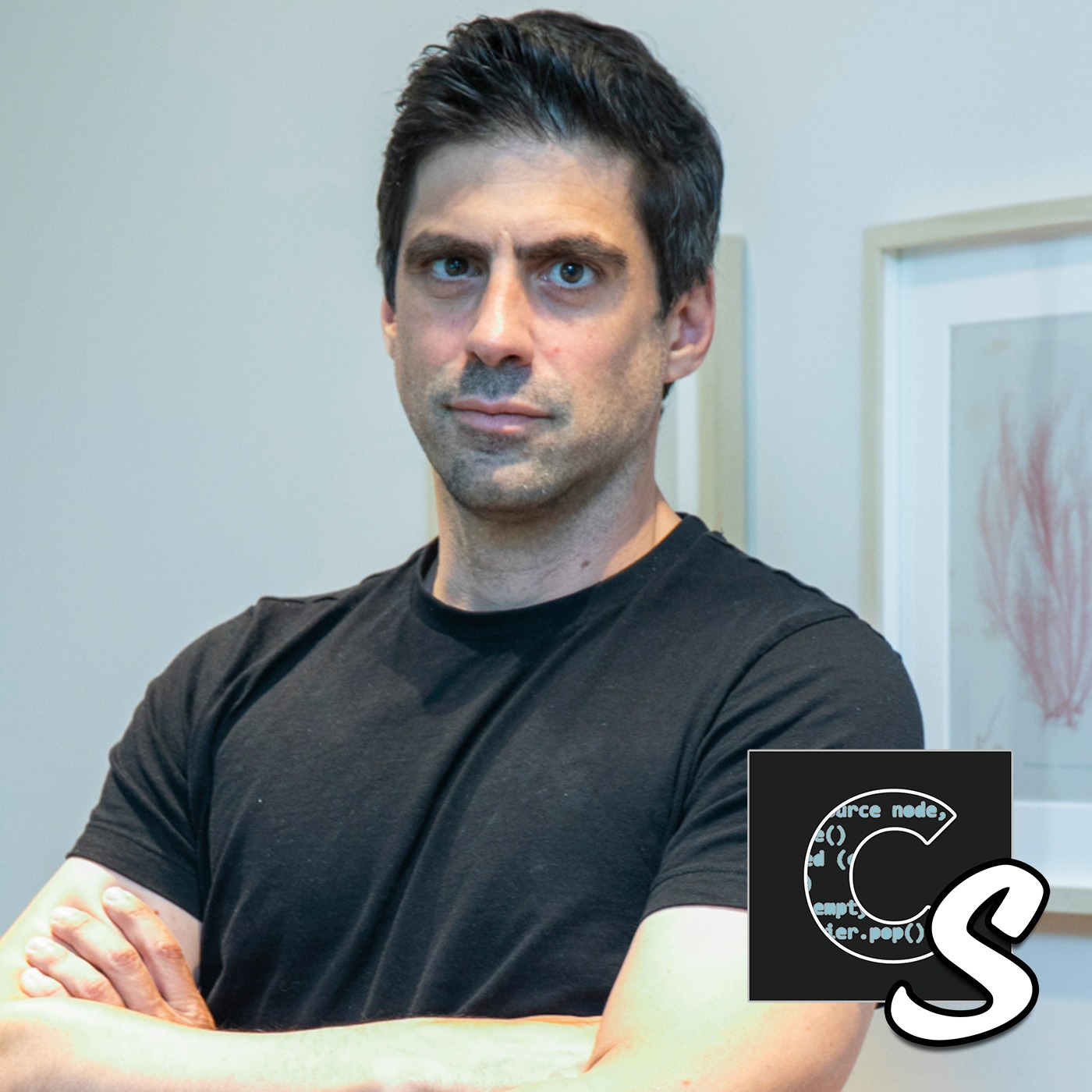
Sky Yang moved to the US from Szechuan, China in the 6th grade. He attended UCSD for his undergraduate studies, playing Lacrosse and studying international affairs and economics. He was active in student government and running non-profits during that time of his life, prior to heading towards his masters and then eventually, Y Combinator. Outside of tech, he has been consolidating his hobbies to just cars and golf. He really enjoys the golf scene in the Bay Area, and enjoys eating the Chinese cuisine of his roots.
Sky met his now co-founder at UCSD, and eventually, they both started to discuss how agents were changing the world in B2B. Though the was around the time of older GPT models, they were willing to make a bet that the models would get better, and high growth businesses would be willing to pay for a content agent - to drive revenue.
This is the creation story of Imagine AI.
Links
https://www.linkedin.com/in/skyyang/
Current Sponsors:
Checkout our Stacklist! https://stacks.codestory.co/
Check out our Patreon!
Hosted by Noah Labhart | Technical Founder & Startup Mentor.
Our Sponsors:
* Check out Granola and use my code granola.ai/CODESTORY for a great deal: https://granola.ai
Advertising Inquiries: https://redcircle.com/brands
Privacy & Opt-Out: https://redcircle.com/privacy
[SPEAKER_02]: As part of the growth, as I was telling you, when you were growing so fast, you literally died if your company don't hire or make the product more scalable. [SPEAKER_02]: We decided on the latter, make the product more scalable. [SPEAKER_02]: But we did it by going back to R&D, we just stopped GTM, we stopped selling, we stopped the momentum. [SPEAKER_02]: We were like, okay, guys, our company is breaking. [SPEAKER_02]: We have too many customers. [SPEAKER_02]: We don't have enough capacity.
[SPEAKER_02]: How about let's go back to R&D stop selling and focus on the customer we have and focus on the product. [SPEAKER_02]: Because we stop selling, because we focus on the customers that are the best users lost a little momentum. [SPEAKER_02]: I'm Skyyank, the co-founder and CEO of ImagineAI.
[SPEAKER_03]: This is code story. [SPEAKER_03]: A podcast bringing you interviews with tech visionaries. [SPEAKER_03]: Six months moonlighting goes. [SPEAKER_00]: It's the last and on the backhand. [SPEAKER_03]: Who share what it takes to change an industry? [SPEAKER_00]: I don't exactly know what to do. [SPEAKER_03]: Many girls to get right. [SPEAKER_03]: Who built the teams that have their backcompany is its people. [SPEAKER_01]: The team's helped each other achieve this proud of our team. [SPEAKER_03]: Keeping scalability top of mind.
[SPEAKER_03]: All that infrastructure was up there. [SPEAKER_03]: Yes, they've been fighting it as we grow. [SPEAKER_03]: Total waste of time. [SPEAKER_01]: The stories you don't read in the headlines. [SPEAKER_01]: It's not an easy thing to achieve. [SPEAKER_03]: To yourself, it's best to do often, try to begin to ride the ups and downs of the start-up line. [SPEAKER_03]: You need to really want it, not just about technology. [SPEAKER_03]: All this and more, on code story. [SPEAKER_03]: I'm your host, Noel Eppard.
[SPEAKER_03]: It's Dayhouse Sky Yang. [SPEAKER_03]: It's building the platform of data-driven content, through AI and agents who drive revenue.
[SPEAKER_03]: Scott Yang moved to the U.S. from Chezwon, China, and sixth grade. [SPEAKER_03]: He attended UCSD for his undergraduate studies playing lacrosse and studying international affairs and economics. [SPEAKER_03]: He was active in student government and running non-profits during that time of his life prior to heading towards his masters and then eventually, while a commonator. [SPEAKER_03]: But outside of tech, he has been consolidating his hobbies to just cars and golf. [SPEAKER_03]: He really enjoys the golf scene in the Bay Area and enjoys eating the Chinese cuisine of his roots.
[SPEAKER_03]: Skymen is now co-founder at UCSD, and eventually they both started to discuss how agents were changing the world in B2B. [SPEAKER_03]: Though this was around the time of older GPT models, they were willing to make a bet that the models would get better, and high-growth businesses would be willing to pay for a content agent to drive revenue.
[SPEAKER_03]: This is the creation story of Imagine AI.
[SPEAKER_02]: So, imagine that we're a research company that focuses on B2B World research. [SPEAKER_02]: So that means that we really analyze and figure out communications between B2B companies organizations. [SPEAKER_02]: How they really communicate how they talk. [SPEAKER_02]: Let's say if you're great for another B2B company, how can you guys get together and sell to the other company or maybe hiring or even just communicate this collaboration in as efficient as possible. [SPEAKER_02]: There's this theory that is called a closed loop production web which is like if you think about like AI agents and highly automated firm, there's a gradual disempowerment when it comes to firms making their autonomous decisions and a lot of things like highly automated firm want to work with other highly automated firms.
[SPEAKER_02]: So what's happening is that you actually have highly automated from if there's a web of them all work together, right? [SPEAKER_02]: You're like 10 times more efficient, probably more than that. [SPEAKER_02]: But there's a theory that in the future highly automated firms will all work together and almost become converging to one, which is a close production web. [SPEAKER_02]: So something to think about is there has to be some sort of layer between these companies, right? [SPEAKER_02]: You already see some sort of this happening, which is high growth, start up on a work with high growth [SPEAKER_02]: American company want to work for a good, mid-market companies, and at the age of great software, right?
[SPEAKER_02]: It went slack and those kind of team collaboration tool come out. [SPEAKER_02]: Share a Slack channel, stuff like that. [SPEAKER_02]: It really increases and allow better collaborations between teams. [SPEAKER_02]: but this is just gonna get even more seamless, because if you think about agent to agent communication, you are agent and my agent is emailing back to work, you're agent is talking to my agent linkedin. [SPEAKER_02]: Your agent is posting content, my agent is reading, right?
[SPEAKER_02]: So a lot of that is all streamlined. [SPEAKER_02]: So imagine a really stance behind the core of that mission, right now we have a content agent that focuses on data driven content. [SPEAKER_02]: So we have a very high focus on linkedin,
[SPEAKER_02]: How are you going to get to the target audience? [SPEAKER_02]: We have very specific in-depth benchmark and data that we could look at this relational graph to figure out how we can do it, right? [SPEAKER_02]: And we also track during gauges, or track your CRM. [SPEAKER_02]: So we know how we can get you the most revenue as possible. [SPEAKER_02]: me and my co-founder, we met at, but you see Steve during freshman year, then later, when I was doing my masters at the time, she came to me and she was like, oh, like, I'm working as a C-stage at this C-stage startup because I found the age near right now, but I really want to start my own thing.
[SPEAKER_02]: And I think that agents are changing, right? [SPEAKER_02]: AI is changing the world with B2B, how people communicate with social media, with mass communications, and I feel like there must be a better way that people communicate with him. [SPEAKER_02]: automate this whole thing with AI. [SPEAKER_02]: And at this time, he was chatting with you with like, four, four, oh, hasn't even been out. [SPEAKER_02]: You can start like showing the experiment on Discord, work the other API connectors that like, hey, you can make yourself an AI to talk to another person.
[SPEAKER_02]: And they might not figure out, but at the time the model wasn't that good, and a lot of functionality with harness agents was even there, right? [SPEAKER_02]: The idea of agent is still foreign, and it's not possible at the time. [SPEAKER_02]: but you always have to bet with the model. [SPEAKER_02]: You should always bet the models get better, the harness get better, and we did that, and it's gotten so much better that you could actually replace your GTM team member of your member of your team.
[SPEAKER_02]: So that's what imagine I does. [SPEAKER_02]: We have a data agent, that a continent that basically allow your marketing team, allow your growth team to be more efficient on LinkedIn.
[SPEAKER_03]: Let's dive into what you would consider the MVP for a magic. [SPEAKER_03]: So that first version, the first agent, or the first thing that you built, they are how long it takes to build, and what sort of tools we're using to bring it to life. [SPEAKER_02]: When we first built Imagine AI, we raised a small angel check and named my co-founder we moved into a studio apartment actually in San Diego and then we just started building right we first started building this kind of automating X kind of platform and at the time it just wasn't good enough to take your contact station wasn't good enough to take life contacts to through all searches and write like a student right so you didn't really work out as much as great as we thought it would so instead we're like okay what is the lowest hanging through [SPEAKER_02]: and what is the Asian capabilities that we can do right now and we can fit in the future that you will get much better and we're going to have an actual advantage.
[SPEAKER_02]: And that was when we looked into LinkedIn goes right in the shoe, right? [SPEAKER_02]: LinkedIn goes right in the shoe is a massive market. [SPEAKER_02]: There's tons of goes right out there. [SPEAKER_02]: I write for executives, I write for companies that you pay these guys like 10k, buy k, 3k a month, as I'll get you out. [SPEAKER_02]: And then, and then you pay them and then they take care of your LinkedIn content for you. [SPEAKER_02]: And we're like, this part, at the even the middle age of tragedy 40, is very possible to automate.
[SPEAKER_02]: Like, you can have a very thorough and defile. [SPEAKER_02]: That has all of your live contact stories, how you write examples of your writing, just good, good prompt engineering, right? [SPEAKER_02]: It can get you to like, how know how you write, and that was our bread and butter. [SPEAKER_02]: So it starts selling into ghost writing agencies and ghost writers individually, and having them buy our software, because we're a high-prespecialized niche agent, compared to them just using their catch video or plot, which might not even sound like the actual content client.
[SPEAKER_02]: And we did that, we did that for a while, and then we were like, okay, we know so much about what's right in the street. [SPEAKER_02]: We spent, I don't know, a few months in there. [SPEAKER_02]: We've basically understood the whole industry in and out. [SPEAKER_02]: But like why don't we just do this for the high growth companies? [SPEAKER_02]: Why don't we just start doing this for companies? [SPEAKER_02]: And what we intend to do, which is, [SPEAKER_02]: a salary B2B growth. [SPEAKER_02]: So we start selling into companies.
[SPEAKER_02]: I believe conduit AI was our first company client, and then we were with that momentum, but we at the time we were in thunder sink, and then we got into YC. [SPEAKER_03]: So we did our, we did the YC of 25-H. [SPEAKER_03]: In that MVP, you've got to make certain decisions and trade-offs, and I hear one around the LinkedIn Ghost Riding. [SPEAKER_03]: But I'm curious about maybe the core decision you had to make. [SPEAKER_03]: In creating that MVP, it could be around approach, feature limitation, and all those things that you had to decide.
[SPEAKER_03]: Tell me about the decision and how you cope with it. [SPEAKER_02]: But when we were making that MVP, the first thing is thinking about, what is the lowest hanker, right? [SPEAKER_02]: What is the easiest way to test if this even works for? [SPEAKER_02]: Should we, like, how do we test the market before we even build something? [SPEAKER_02]: Let's otherwise, we're just spending a lot of time building, maybe something that nobody wants. [SPEAKER_02]: So, the idea was that I did a lot of discovery calls.
[SPEAKER_02]: I, our coach got bound a lot of goal-shrining agencies, goal-shriders, just hop on discovery call to learn, hey, what's going on. [SPEAKER_02]: and then understand their entire workflow, I really mom test them. [SPEAKER_02]: And then once you do that, I talk to the users correctly, which is understanding their existing workflow. [SPEAKER_02]: When you decide they're okay, it seems like they would benefit from something like, maybe AI, like the AI, like niche AI agent, that basically writes your clients post for you in your client's voice, right?
[SPEAKER_02]: So we're like, okay, why don't you put down and deposit and we're gonna make this for you? [SPEAKER_02]: So that's what we did. [SPEAKER_02]: We got a 10 deposits from 10 different Ghostwriters and agencies. [SPEAKER_02]: Just really talking to them understanding the day and we understood that. [SPEAKER_02]: Hey look, this can save up so much of the time, right? [SPEAKER_02]: Because the biggest part about being a Ghostwriting agency is that you have to understand what your client sound like.
[SPEAKER_02]: How do they sound like? [SPEAKER_02]: How do they talk? [SPEAKER_02]: How do they think? [SPEAKER_02]: How do they reference their sources? [SPEAKER_02]: What do they talk about? [SPEAKER_02]: And then a lot of times, like, a lot of manual work. [SPEAKER_02]: You have to talk to this person for hours, write down a bunch of notes, put it into a software system, really think about how this person write it and you have to end the mimic of it, right? [SPEAKER_02]: And this whole process can be just completely automated by AI.
[SPEAKER_02]: So we're like, it seems like we could just put all the true call transcript, [SPEAKER_02]: have a agent, have a, at the time there was no agent. [SPEAKER_02]: But if I have an AI just like chat ball that runs through it and classify it into different deals like examples of their writing, how they write the live story, right? [SPEAKER_02]: So they could always reference or reference for fresh new writings. [SPEAKER_02]: And then we were able to actually create something pretty impressive, pretty incredible, because we sound exactly like that person.
[SPEAKER_02]: And that was like our bread and butter, right? [SPEAKER_02]: We, [SPEAKER_02]: RAI sounds exactly like who you write for. [SPEAKER_02]: And we still do. [SPEAKER_02]: I think that's kind of a micro decision there, which is like we found that this really niche problem can go to writing. [SPEAKER_02]: It's like you need to sound like the person. [SPEAKER_02]: And it's hard to come up with ideas, and it's hard to come up with the actual writing. [SPEAKER_02]: Okay, we can just automate that, right?
[SPEAKER_02]: And then instead, so the person does have to spend an hour to write a post, instead, you would take them five minutes to write the RAI. [SPEAKER_02]: And that's an hour saved.
[SPEAKER_03]: Okay, so then let's move forward. [SPEAKER_03]: So you've got that, the MVP version. [SPEAKER_03]: And you're seeing what you want to see, right? [SPEAKER_03]: In that version, I'm curious about how you progress and matured it, and to wrap it in a box, and look for how did you build your roadmap? [SPEAKER_03]: How did you go about deciding that, okay, this is the next most important thing to build or to address what the magic is. [SPEAKER_02]: I think it's first things all about product market there, right?
[SPEAKER_02]: I think you'll be talking about this in very early stage part of my life. [SPEAKER_02]: What does that actually mean, right? [SPEAKER_02]: What it means is you have so much demand that your company will literally die. [SPEAKER_02]: If you don't part more people, you'll more scale more product right now. [SPEAKER_02]: You will crush your company. [SPEAKER_02]: I think that's product market there. [SPEAKER_02]: So you always talk about product market they are early stage. [SPEAKER_02]: And at the time we're like, okay, like, how can we measure product market there, right?
[SPEAKER_02]: which there's a thing called Shion Alice test. [SPEAKER_02]: It's like how disappointed your customer if you disappeared tomorrow. [SPEAKER_02]: So we're just iterating with customers. [SPEAKER_02]: We talk to users every single day. [SPEAKER_02]: We have a call with our users at the time. [SPEAKER_02]: Like every single week at least once. [SPEAKER_02]: And we rotate. [SPEAKER_02]: So every day we have some sort of calls. [SPEAKER_02]: just to understand their workflow, how they're using our AI to write content, how does that process all works?
[SPEAKER_02]: And what we found is that we were able to get them to utilize our product pretty seamlessly, right? [SPEAKER_02]: We still have some Ghostwriters that are using our product because they are able to incorporate us into their workflow because it's just an easier way for them. [SPEAKER_02]: It's an easier setup, it's an easier realm on term and instead of like you have to configure everything yourself. [SPEAKER_02]: and iterate as the, as agents and AI get better, we have a team that does that for you, right?
[SPEAKER_02]: We have a team that does research for you, that figure out, hey, what's the bright playbook? [SPEAKER_02]: What's the bright post to make? [SPEAKER_02]: We were like, okay, so at the time we're selling to these ghostwriters and we're like, okay, it seems like we got to [SPEAKER_02]: the voice part right we can write like this person okay what's next the next part seems to be okay we need to automate the strategy part where we need to automate strategy because part of what I think goes straight or is you not only write the post what is the strategy of creating the post right [SPEAKER_02]: How are you going to create content?
[SPEAKER_02]: Well, how do you all kind of browse back to Sun Sword ROI? [SPEAKER_02]: Whether this for that person's revenue or Sun Sword of brand recognition, right? [SPEAKER_02]: So how can we route it to that? [SPEAKER_02]: How can we generate that strategy and how can we... How can we do this? [SPEAKER_02]: So we were like, okay, why don't we just do this for company ourselves from what we learned? [SPEAKER_02]: And then we'll find out. [SPEAKER_02]: So we've used our own AI and become this highly efficient, almost agency model for a bunch of beauty companies.
[SPEAKER_02]: We learn the incentives of how to actually become kind of a top tier marketing team and expert in the LinkedIn area. [SPEAKER_02]: We figure it out how to actually do strategy the right way. [SPEAKER_02]: We say programs, programs essay, do things that don't scale, right? [SPEAKER_02]: So we can work down the subsequent niche problem, which is voice. [SPEAKER_02]: How do you sound like the person? [SPEAKER_02]: Now we can expand to other arenas because we found a really good product market fit with just the voice piece, right?
[SPEAKER_02]: But that's a very small piece. [SPEAKER_02]: The market size is very small on just a sound like that person. [SPEAKER_02]: For an old trading of LinkedIn post purposes. [SPEAKER_02]: So now it's like, okay, let's look at strategy. [SPEAKER_02]: Let's look at marketing. [SPEAKER_02]: So that's how we decide the next step right, which is like we figure it out. [SPEAKER_02]: Okay, it seems like we have a pretty good product market that I just go straight in somebody's voice. [SPEAKER_02]: Now, okay, let's figure out the strategy.
[SPEAKER_02]: How do you get somebody to throw it on?
[SPEAKER_03]: I'm curious about team, right? [SPEAKER_03]: How did you go about building your team? [SPEAKER_03]: And what do you look for in those people to indicate that they are the winning horses to join you? [SPEAKER_02]: When it comes to me, my co-founder, we were there since the beginning, but my co-founder is named Neo, right? [SPEAKER_02]: It's incredibly smart, incredibly technical. [SPEAKER_02]: Very research-driven, his biggest thing is he wants to understand problems and blind solutions for them.
[SPEAKER_02]: And I think that's very smart, we're a very good combo because I do a lot more. [SPEAKER_02]: GTM side product and user development developing markets, understanding the roadmap for how we're going to commercialize the product, right? [SPEAKER_02]: It's just a nice feedback loop. [SPEAKER_02]: In terms of the team, right now, we have four people, five of what was five, but we're hiring a new product engineer right now. [SPEAKER_02]: I think we spend quite a few months really to understand how to hire correctly, right?
[SPEAKER_02]: I think YC tell you how to hire people, right? [SPEAKER_02]: We have advisors who are like serious people as companies who tell us how to hire people, but telling is one thing, doing yourself is another, like with hiring, you really have to design a funnel, right? [SPEAKER_02]: So it's like what exactly are you looking for? [SPEAKER_02]: Now at each stage, how many percent of people should you eliminate? [SPEAKER_02]: And what are you supposed to be looking for at each stage? [SPEAKER_02]: And what kind of things would you bury with or skill the most so that they're better tested?
[SPEAKER_02]: When you see them in person, when they actually work with you side by side, that you like them, you guys love working together, you're efficient together. [SPEAKER_02]: That's all part of it. [SPEAKER_02]: So I think when it comes to team, we really value, we have a whole company handbook about it actually. [SPEAKER_02]: We really value very driven people. [SPEAKER_02]: We have some principles of what we care about, Ashak can just read it to you. [SPEAKER_02]: People we love to work with, right?
[SPEAKER_02]: Because building a successful company requires years of building and we only want to work with people that we enjoy hanging around. [SPEAKER_02]: We love people that are genuine, so people that are honest and transparent about their intentions, who is not transactional, sometimes I think it's about being low ego in many ways, and then driven, we love people who are strongly motivated to determine to succeed, we'll need to work hard to reach their goal. [SPEAKER_02]: My thing is if you set a goal and you want to do this, then you better try your absolute best, right?
[SPEAKER_02]: And don't care if you have to run marathon together. [SPEAKER_02]: But if you set that goal, you try your absolute best together, and driven smart, somebody who can learn, and adapt, we hold ourselves to a high standards. [SPEAKER_02]: We expect other people to hold themselves to a high standards that they are proud of. [SPEAKER_02]: That's how we think about building a team as kind of the three core principles of people we love working with, and then it just really comes down to skills, right?
[SPEAKER_02]: Both have a skill does this person have. [SPEAKER_02]: Are they a good fit for at least a start-ups? [SPEAKER_02]: For us, our founding engineer, Mohamed, he is fantastic. [SPEAKER_02]: He, we got him from, we posted a matcha from a series B company. [SPEAKER_02]: And he's really been incredible helping us build our newest agent. [SPEAKER_02]: Actually, we just launched the new agent. [SPEAKER_02]: Maybe two weeks ago, but we've been in turn of testing with other customers for months now.
[SPEAKER_02]: and we have our funding CSN and also we we have some more folks but I think as the company grow we are going to hire more technical talents because just because as a tech company we need to ensure that our technology and our research are always up to date.
[SPEAKER_03]: Let's move into scalability. [SPEAKER_03]: I'm curious about scale and how you approach scale from the beginning and I think there's interesting stories to be told when you've had to fight
[SPEAKER_02]: Last year when we were doing this kind of almost agency model of just really do things that don't skip, right? [SPEAKER_02]: We're trying to understand mechanical Turks seeing it, really understand how to do strategy score companies, how to actually make their marketing, only then, right, and give more value out of LinkedIn, making LinkedIn a really profitable and very high growth, high capacity, high return channel for them. [SPEAKER_02]: We're doing that. [SPEAKER_02]: We did that for a while and we got to 1 million AR during the batch, from annual run rate, during the batch when we were in YC, last year around the November time.
[SPEAKER_02]: And then, because we understood how people, how companies need linked then, how people really communicate right linked then is one of the channel people on the UK. [SPEAKER_02]: And I told you before, the company's vision is really too. [SPEAKER_02]: The efficientized communication between companies. [SPEAKER_02]: So this is the first step, right? [SPEAKER_02]: You want to get into a market and make your users absolutely love you.
[SPEAKER_02]: When we're talking about doing this week, we're doing this manually and it wasn't just wasn't really scalable. [SPEAKER_02]: At one million AR, we had three people, me, my co-founder, and one more family team member. [SPEAKER_02]: We just don't have a capacity of where the many customers are to call them all the time, but I have to. [SPEAKER_02]: really figured out the strategy that marketing we had to adjust to a lot of things and then all of course is a great learning but the company was not as skilled as we wanted to be because the wages skill at that point is just to add more hair count right but as a tech company that values skill ability down the line that's that's something we we're not big fan of.
[SPEAKER_02]: because they have to have more people to train more people. [SPEAKER_02]: That means more heck can more coordination problems. [SPEAKER_02]: So we're like, okay, how can we reassess this and make product out of our no-house and our knowledge from spending a more than half a year at that point in that market? [SPEAKER_02]: We decided to just take the whole December to recreate the product. [SPEAKER_02]: So we baked our no-house, our principles, our knowledge, how we know about this industry, and everything that could be automated at the time, that's technically feasible into the agent.
[SPEAKER_02]: and yeah and back from since January we were selling that version of the product very well because at the time Asian wasn't good enough to come up with very sophisticated strategy wasn't good enough to come up with to making right graphics making great posts and then be able to measure our eye very accurately right because I think it began in the air at the time. [SPEAKER_02]: It was, I forgot what your model was. [SPEAKER_02]: The harness and the model weren't there yet. [SPEAKER_02]: And I think that's where on the time where a claw was like, oh, actually, everything can just run on code, right?
[SPEAKER_02]: Claw code is like everything, because everything can just be code. [SPEAKER_02]: So we were suddenly in that product, and that version of the product was mostly, hey, we'll have a human that will work with you to figure out a strategy to figure out your positioning to figure out how your company really worked. [SPEAKER_02]: And then we will work with you, can to hand, but we have this agent that has a shared team calendar, shared team collaboration, and we're able to see who exactly engaged with you, and we're going to help you create that authentic post where it sounds like you.
[SPEAKER_02]: It talks like you. [SPEAKER_02]: It gets higher RRI, and so this is like a hybrid approach, right where we have a few main input, but we still have a software that people could use on the daily basis to schedule posts, to write something really quick. [SPEAKER_02]: But most majority of the time we were assisting with a content creation process, where usually they created a first draft or we created a first draft and then we collaborate on it, which was more scalable than the first time, because the first time we were.
[SPEAKER_02]: Mostly just making the software easier for us to use so that we could we could do this for companies and with a new product We we sewed to 1.2 million AR from 300K back in January and your runway and we sold a two-month actually In I believe this was March April we got to 1.2 million AR and then at that time the company was breaking again, right? [SPEAKER_02]: It was just like okay well [SPEAKER_02]: Now we have to, where we're thinking about, okay, at the time we were four people who was two different voyages on where I looked at, seems like we're doing well, but the problem is that now it's like another skill ability issue.
[SPEAKER_02]: I'm more hit count to manage all the customer we have, or we could make the product even more automated, because agents and harness and AI got so much better. [SPEAKER_02]: So we're like, okay, I think we should do the latter, because that's a product type product tech company. [SPEAKER_02]: And especially as we do more research and our know-how's down the line, we need to find a more scalable way to really sell our product to really help convince. [SPEAKER_02]: And we don't want to do manual work forever.
[SPEAKER_02]: And we were also looking for more established people, right? [SPEAKER_02]: In terms of scale as people, because we need to hire and to hire correctly. [SPEAKER_02]: And that's the time we learn how to hire, right? [SPEAKER_02]: And what kind of people we want. [SPEAKER_02]: And imagine that I taught you the principle people we want, but we also like slightly older people that's more [SPEAKER_02]: established who knows a lot more at Dominolech, about let's say, engineering, back-end, frong-end, maybe research, or maybe GTN, or CSN, right, who has more Dominolech who've done this before, because as founders, we pioneered the way for how things goes to the point where you work, and then you want to have somebody automated and ideally making it better, right?
[SPEAKER_02]: So, you know, we harness on really incredibly smart people, that is older and has more dummy knowledge. [SPEAKER_02]: So, and then we revamped the product again just two weeks ago, we have a new agent that came out and this new agent is incredibly smart, it can make graphics, it has a computer, it has a virtual computer on the cloud that the agent acts as. [SPEAKER_02]: So, it's my end-to-end GTM agent in essence. [SPEAKER_02]: So, as you step out on the balcony, you look across all that you've built this for, what do you most proud of?
[SPEAKER_02]: I think I'm very proud of our customers. [SPEAKER_02]: I think every single one of our customers, you know, when they work with a startup, like us, they've lived in us, right? [SPEAKER_02]: They've bought into our vision, our product, what we do. [SPEAKER_02]: And we're very customer-centric. [SPEAKER_02]: We care a lot of our customers. [SPEAKER_02]: We always try to meet with our customers as much as possible. [SPEAKER_02]: Just don't understand the user journey, understand if we can help any further, we host events for our customers.
[SPEAKER_02]: I can wear a very proud of our customer base of all the great companies that we work with. [SPEAKER_02]: We work with grip-laying, 4G slash, a bunch of companies anywhere from. [SPEAKER_02]: Some more traditional companies, like frame data as she outie Texas, to companies that some more established a grip-laying with a startup, mid-market sector. [SPEAKER_02]: We're very proud of our customers, and we have very relationship with all of them.
[SPEAKER_03]: Let's flip the script a little bit. [SPEAKER_03]: Tell me about a mistake you made and how you and your team responded to it. [SPEAKER_02]: As part of the growth, as I was telling you, when you were growing so fast, you literally died if your company don't hire or make the product more scalable. [SPEAKER_02]: We decided on the latter, make the product more scalable. [SPEAKER_02]: But we did it by going back to R&D, we just stopped GTN, we stopped selling, we stopped the momentum. [SPEAKER_02]: We were like, okay, guys, our company is breaking, but we have too many customers.
[SPEAKER_02]: We don't have enough capacity. [SPEAKER_02]: How about let's go back to R&D, stop selling, and focus on the customer we have, and focus on the product. [SPEAKER_02]: with any great product takes a long time to do our and to do a lot of research too. [SPEAKER_02]: Figure out the playbook, right? [SPEAKER_02]: To, like for us, a lot of various parts of the data. [SPEAKER_02]: So we recently launched benchmark. [SPEAKER_02]: So it's called benchmark.usimagetai, which has a lot of of the data about companies and how they interact on LinkedIn.
[SPEAKER_02]: So it's as we were thinking about companies becoming more efficient in communicating with each other, especially agent-age interactions. [SPEAKER_02]: Like LinkedIn is still huge road, just because it's mass communication. [SPEAKER_02]: That's a lot of how big companies communicate. [SPEAKER_02]: We really have really a great amount of old data about how companies really engage and interacting with each other, so we try to be very data-driven. [SPEAKER_02]: Do real research, for example, found that engagement follow a log normal distribution.
[SPEAKER_02]: So most of your engagement is not just okay, sounds like you're really bad, sounds like you're really good. [SPEAKER_02]: That kind of informs like, hey, you can't make a better pose every single time, but the difference of what you can do is that you can optimize your pose so that you get [SPEAKER_02]: above that nine best fit if I put your account on a regression scale against the other accounts in terms of engagement. [SPEAKER_02]: Something to think about when we're doing all of that R&D is that because we stop selling because we focus on hey let's focus on the customers that are the best users with lost a little momentum by doing that.
[SPEAKER_02]: I think in general is a good thing because the company is growing and we're getting [SPEAKER_02]: Better people, we understood product market, much better in terms of what's our product positioning. [SPEAKER_02]: What are we doing? [SPEAKER_02]: We did a rebrand during that time, right? [SPEAKER_02]: We have a new logo, new website, new everything. [SPEAKER_02]: But I think it was a mistake that we just stopped, right? [SPEAKER_02]: I think what's the right way for companies in that stage where you're growing so fast, it's just to hire more people, actually.
[SPEAKER_02]: and have some people doing R&D as some people still keep the company running. [SPEAKER_02]: And I think that's probably the biggest mistake that we made and I personally took a lot of responsibility for that is that we're like, okay, let's make sure the company does well before the product does well before we keep selling before we keep building. [SPEAKER_02]: But in reality, we should just keep that momentum. [SPEAKER_02]: And imagine that we're ramping up again, we've done it. [SPEAKER_02]: Once we've done it twice, we've done it the third time.
[SPEAKER_02]: Right? [SPEAKER_02]: We did it once in a batch, one meal. [SPEAKER_02]: We did the twice, 1.2 in the beginning of the year, we're doing a third time. [SPEAKER_02]: And this time we're just going to keep going and growing exponential.
[SPEAKER_03]: Let's talk about that keep going. [SPEAKER_03]: Let's talk about what's next. [SPEAKER_03]: Let's move into the future of the Imagine AI's moving fast. [SPEAKER_03]: The industry's moving fast. [SPEAKER_03]: All the things are rapidly evolving. [SPEAKER_03]: Tell me about what the future looks like for Imagine AI for the product, the company, the team, all the things. [SPEAKER_02]: Right now, we're very focused on getting the right customers, so companies that typically find a lot of use for us is companies around the size of 2200 usually has a dedicated marketing person or marketing team that has ROI from like that, right?
[SPEAKER_02]: So what this means is that they're posting only the others for brand recognition or they get customers from it or they go to a lot of conferences and in those conferences So you post about the conference everybody else who's in that conference look at your post right that transforms into that selling journey And we'll track that through CRF is a discovery stage is it [SPEAKER_02]: kind of this work during the diligent stage, where is the after sales stage? [SPEAKER_02]: So imagine AI has a agent that has a sandbox, its own computer, and is able to create graphics making posts for you, and is able to drive a lot of these data driven decisions from our unique data, from your data, your engagement, your posting, and everything, and transform that into revenue driven content, right, into for high growth companies.
[SPEAKER_02]: And we're a laser focus on that. [SPEAKER_02]: So what's
[SPEAKER_02]: Launch the new product. [SPEAKER_02]: We're gonna the upgrades of the our product. [SPEAKER_02]: We're gonna launch our our new benchmark We're going to we're going to just go straight into the world the target for this quarter is that we want to We want to get to we want to get to a really great state in terms of the product and users We have that users that absolutely love us. [SPEAKER_02]: I think that's really the goal. [SPEAKER_02]: We want to use our stat Absolutely go crazy with us [SPEAKER_03]: Okay, let's switch to you, Sky, who influences the way that you work?
[SPEAKER_03]: Name a person, or many persons, or something. [SPEAKER_03]: You look up to him, why? [SPEAKER_02]: First of all, I have to really think my co-founder, Niel. [SPEAKER_02]: She really influenced me, and inspired me a lot, in terms of the way he thinks, which is a very rational, data-driven guy, and the way he thinks about problems, right? [SPEAKER_02]: Which is really finding very niche problems, we're finding small problems and finding solutions, finding really challenging problems and finding solutions.
[SPEAKER_02]: right regardless of what it is it's just it's like a system of thinking and the system of looking at growth looking at life. [SPEAKER_02]: I think she definitely influenced me a lot but also I would say my father he was entrepreneur started a bunch of companies in the past. [SPEAKER_02]: I still remember working he used to run this computer computer company while it was super young. [SPEAKER_02]: I remember growing up around computers, motherboards, and just like mountains of boxes of these desktops, I've time this to run to Windows XV.
[SPEAKER_02]: And I felt like that really had a huge impact on me to really work hard, and when we moved to the US, I just realized the American dream of. [SPEAKER_02]: If you work hard, [SPEAKER_02]: that anything is possible. [SPEAKER_02]: And I still think that I was treated today. [SPEAKER_02]: I think a lot of people say it's not, but I think it is because if you work hard, there's no reason why you can't be successful. [SPEAKER_02]: There's no reason why you can't be. [SPEAKER_02]: Your family starts no reason why you can't get to the place you want in life, because if you really want to be somewhere, you will not sleep, you will not eat, you will not do anything other than making one next step forward.
[SPEAKER_02]: And I think that's what the American dream is all about. [SPEAKER_02]: So I think those are something,
[SPEAKER_03]: Sky Last question, so you're getting on a plane, and you're seeing next to a young entrepreneur who's built the next big thing. [SPEAKER_03]: If jazz is about it, I can't wait to show it off to the world and can we show it off to you right there in the plane? [SPEAKER_03]: What advice do you give that person having gone down this road a bit? [SPEAKER_02]: I would first ask in questions like, what is this thing? [SPEAKER_02]: What is this big thing? [SPEAKER_02]: I want to know more about it.
[SPEAKER_02]: I want to know more about the Marthel and I know more about your users. [SPEAKER_02]: I want to know more about your customers. [SPEAKER_02]: I want to see how he impacts people's way of life, how he fishenises processes, where he's in a niche problem that we never thought of. [SPEAKER_02]: I want to know more, and then once I know more, I, if he wants to know some advice, I'm happy to tell him. [SPEAKER_02]: I think part of the part of building is you should always talk to your users, you should always keep refining the problem.
[SPEAKER_02]: Because if you stop refining the problem, you're not going to grow as a company. [SPEAKER_02]: So I think keep refining the problem, keep refining the product positioning, and then I think [SPEAKER_02]: the bar of entry to so many things as a lower, right? [SPEAKER_02]: Software has lowered, Alba has lowered, content, everything has lowered. [SPEAKER_02]: You really have to do things the right way. [SPEAKER_02]: I will advise probably him too. [SPEAKER_02]: It's some good guidance on people who has done this before, good advisors, and just figure out, figure out some framework and playbook on how to do this the right way.
[SPEAKER_03]: That's excellent advice, but guys, thanks for being on this show today. [SPEAKER_03]: Thank you for telling the creation story of Imagine AI. [SPEAKER_02]: Thanks so much Noah, I really appreciate you having me.
[SPEAKER_03]: In this concludes another chapter of Code Story.
[SPEAKER_03]: Code Story is hosted and produced by Noah Labhart. [SPEAKER_03]: Be sure to subscribe on Apple Podcasts, Spotify or the podcasting app at your choice. [SPEAKER_03]: And when you get a chance, leave us a review. [SPEAKER_03]: Both things help us out tremendously.
[SPEAKER_03]: And thanks again for listening.
Latest Season of the Podcast is Sponsored By






 Apple Podcasts
 Spotify
 Castbox
 Player FM
 Pocket Casts
 YouTube
 Overcast
 Castro
 Goodpods
 Moon FM
 Podbean
 Podcast Addict
 Podcast Republic