Turborepo vs Nx | Features CI and Best Fit
Compare Turborepo vs Nx on setup caching CI governance polyglot support pricing and migration to choose the right monorepo tool.
Read moreLatest posts from Code Story | Startup Podcast for Technical Founders
Compare Turborepo vs Nx on setup caching CI governance polyglot support pricing and migration to choose the right monorepo tool.
Read more
Yaniv Tal spent nearly a decade building The Graph, one of web3's core protocols. Now, he's taking on an even bigger challenge: creating a decentralized knowledge graph that solves the fragmentation, misinformation, and centralization plaguing how we organize information online. Here's how he's balancing the impossible task of building both a perfect protocol and an intuitive consumer app simultaneously.
Read more
As AI agents become increasingly sophisticated, the infrastructure powering them is undergoing a radical transformation. In this bonus episode, Vasanth Mohan from SambaNova breaks down why specialized inference chips, liquid cooling, and disaggregated hardware architectures are becoming essential—not optional—for building production-grade AI systems.
Read more
Peter Morelli spent eight years at Lyft solving one of the hardest problems in mobile engineering—understanding what your customers are experiencing when their network drops and they can't see your app working. Now as CEO of Bitdrift, he's built a platform that eliminates telemetry waste and gives teams real-time control over what data actually matters.
Read more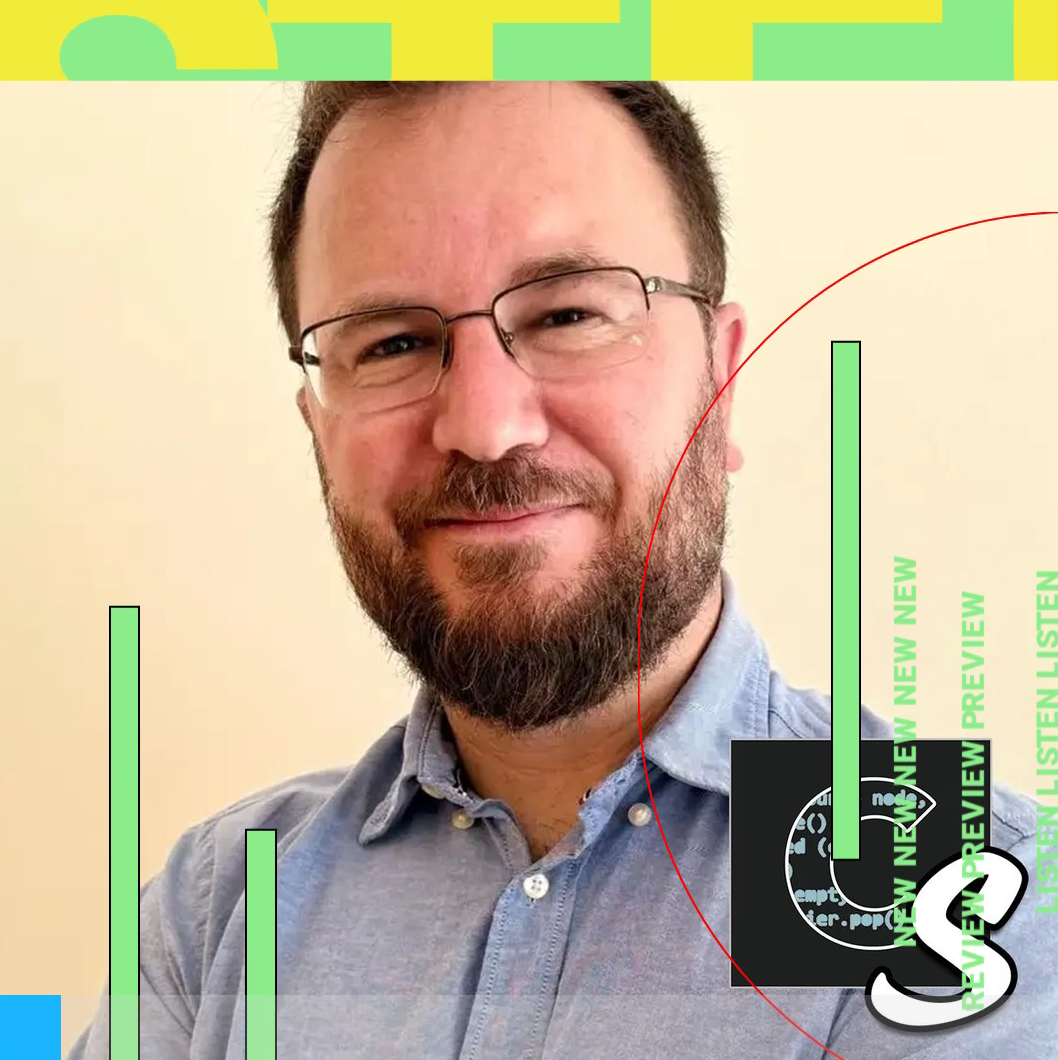
Julien Verlaguet, former Facebook programming language designer, is tackling one of computer science's hardest problems: cache invalidation. Through Skip Labs and their reactive programming language, they're bringing spreadsheet-like semantics to backend systems—and building AI coding agents that actually work.
Read more
Nick Holzherr, founder of GitLaw, is building AI agents that handle contract workflows—writing, reviewing, and negotiating legal documents for small businesses. We dive into how he's democratizing access to legal templates and why the fastest-moving AI space demands a fundamentally different approach to product development.
Read more
TaxJar vs Numeral is not a simple feature-for-feature decision. Both platforms cover the core US sales tax workflow, including nexus monitoring, calculations, registrations, filing, and remittance.
Read more
Rekha Shenoy, the new CEO of Backbox, is rethinking how AI should work in network infrastructure. Instead of chasing full autonomy like everyone else, Backbox is building AI that supports engineers while keeping humans in control—and it's becoming a competitive advantage in the emerging agentic NetOps space.
Read more
Connor Heggie, co-founder and CTO of Unify, built a platform that reframes sales as a search problem rather than a persuasion problem. By leveraging AI and multi-agent systems, Unify is transforming how go-to-market teams find and engage with customers at scale—without replacing salespeople, but rather supercharging them.
Read more
Christian Ondaatje's journey from building eGPU companies to founding Aranya showcases how deep technical expertise and persistence can solve critical infrastructure problems. We dive into how Aranya enables companies to go from bare metal to production-ready AI inference clusters in just 48 hours—and why embracing chaos (and Slack) might be the secret to scaling faster than your competition.
Read more
HeroDevs is usually the stronger fit when a team needs commercial drop-in support for a specific end-of-life framework, library or runtime covered by Never-Ending Support. TuxCare is usually the stronger fit when the organization needs broader coverage across Linux infrastructure and language ecosystems, or wants one strategy that combines trusted packages for actively maintained open source with extended support after end of life.
Read more
Scytale is usually the stronger fit for teams that want compliance software paired with a dedicated GRC expert who guides implementation, remediation and audit readiness. Vanta is usually the stronger fit for teams that want a software-led platform with a large integration ecosystem, broad trust-management capabilities and more direct internal control over the program.
Read moreVerification couldn't load. Please refresh and try again.